South Korea is considering abolishing the exemption from mandatory military service for athletes, after the way some players celebrated this privilege caused public outrage. The privilege was originally intended to reward athletes who bring honour to the nation.
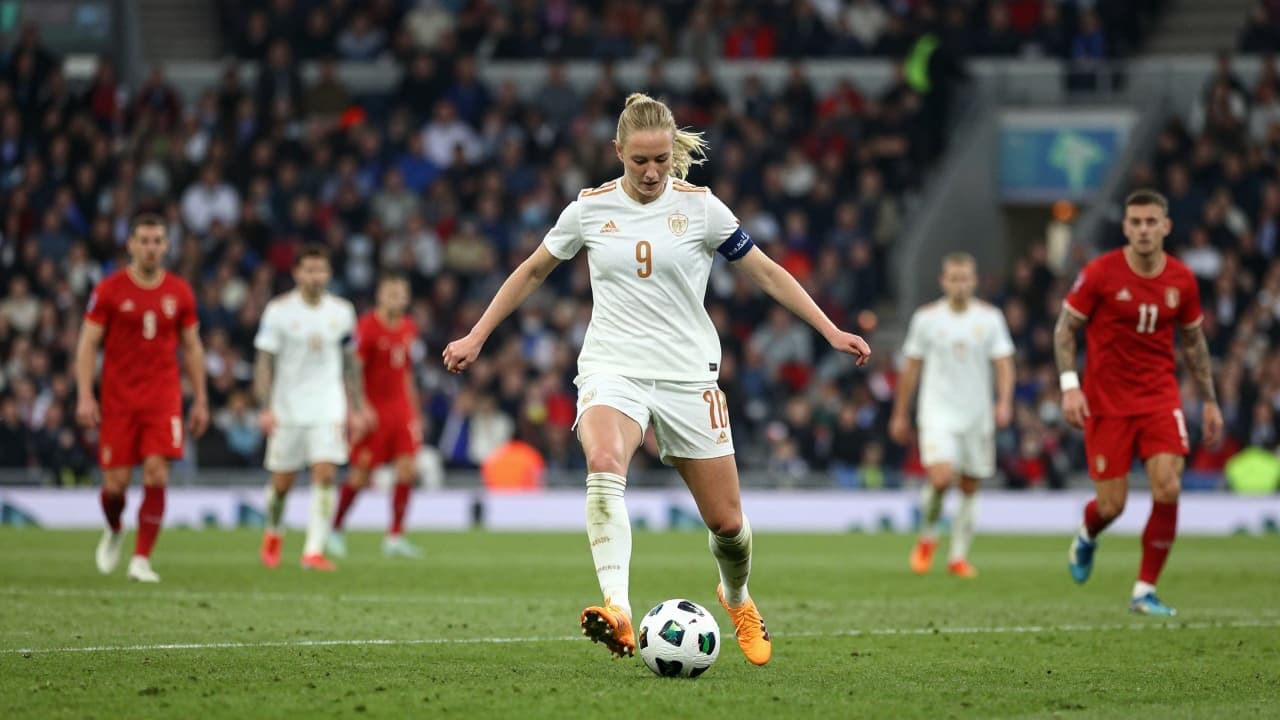
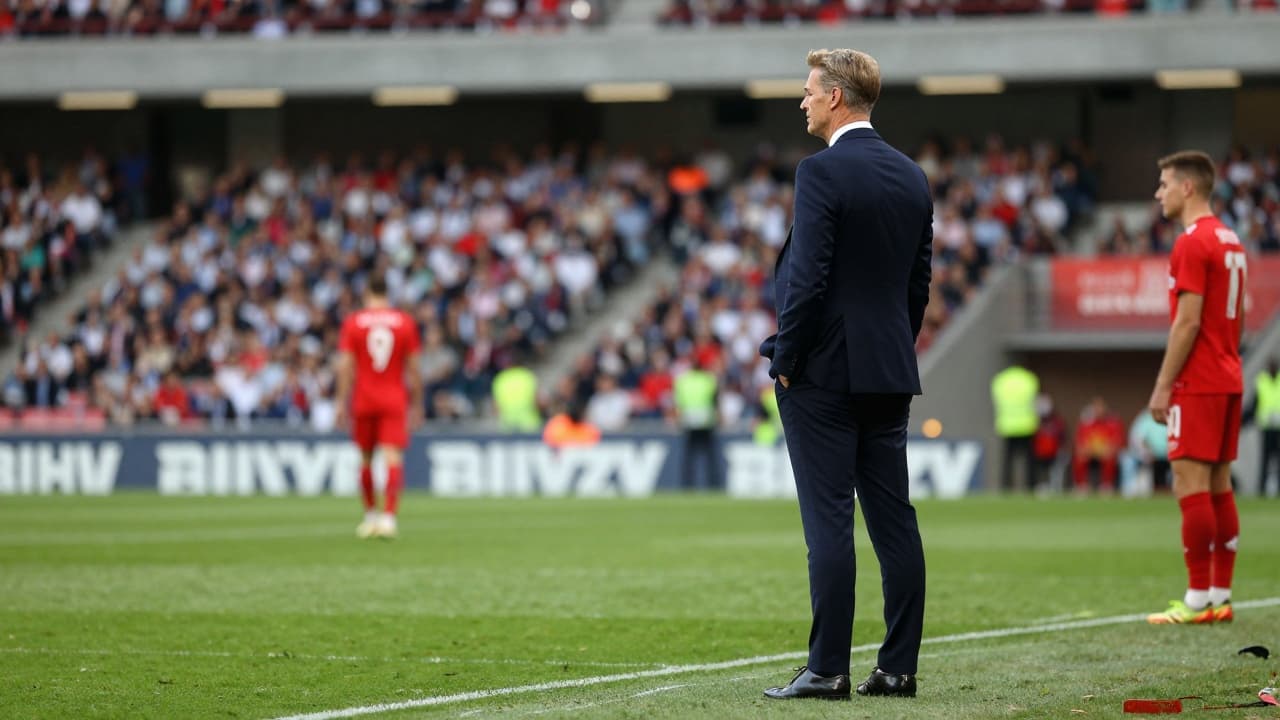
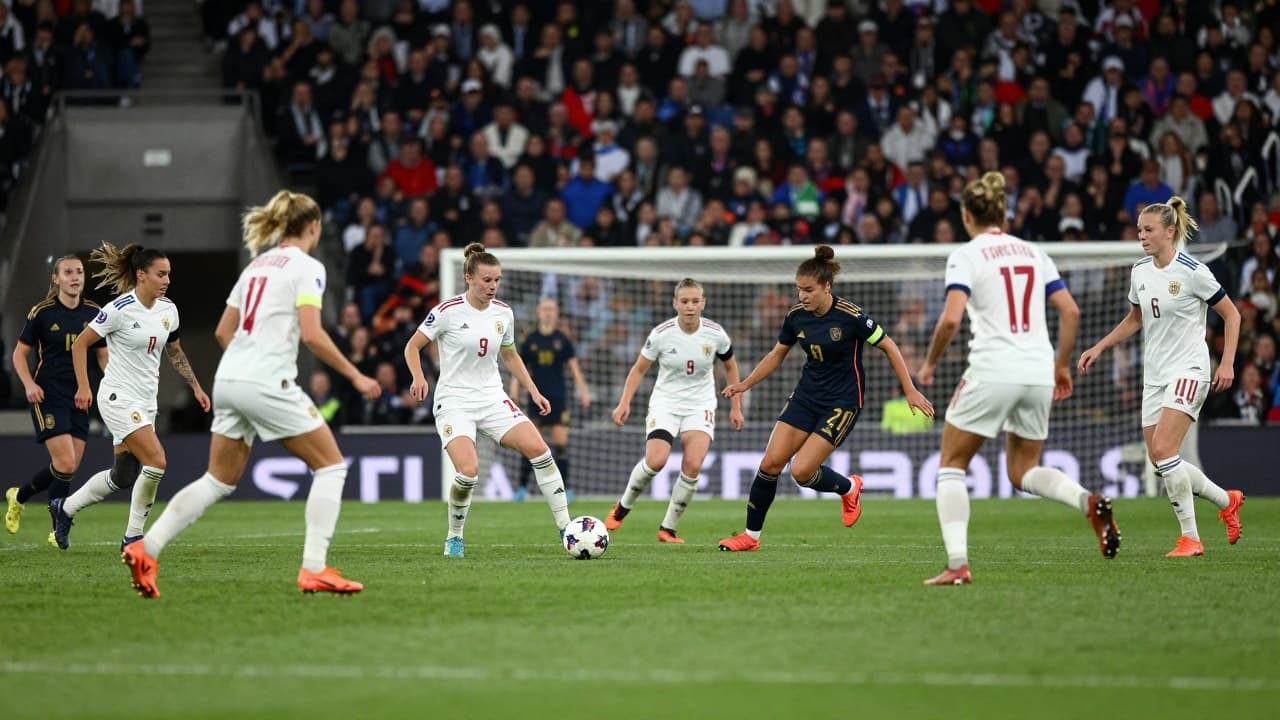
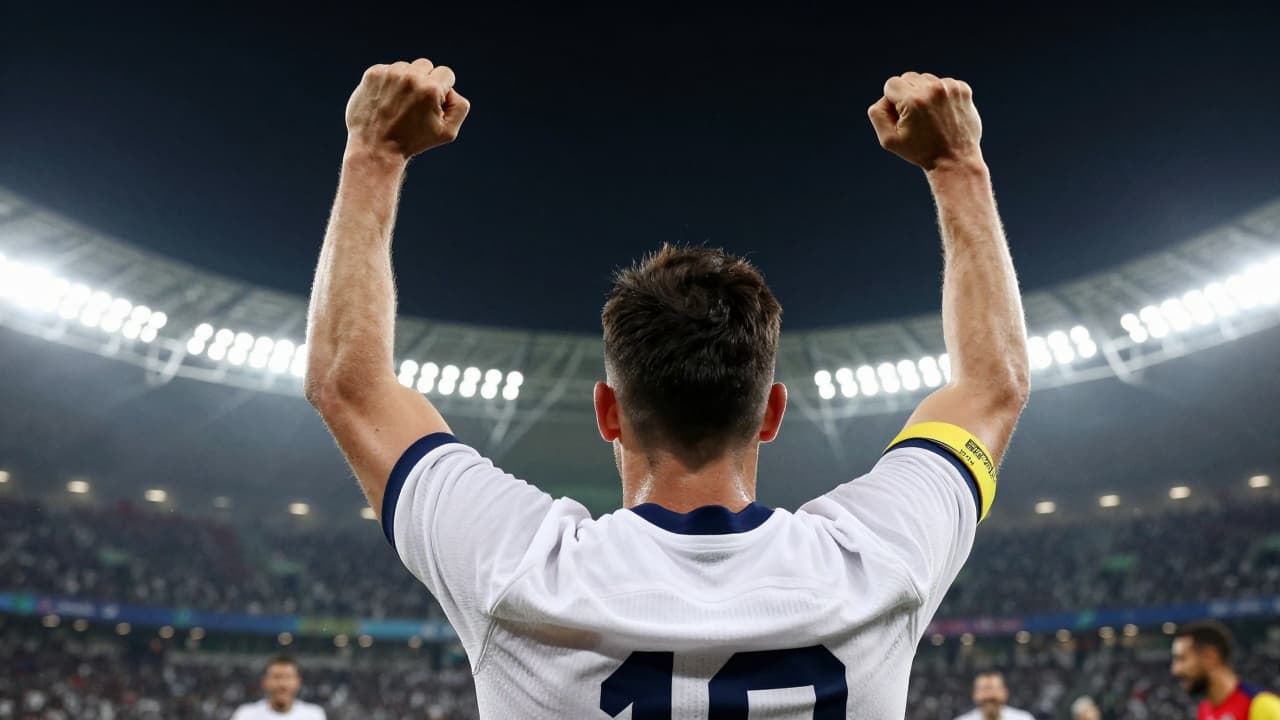
The South Korean national football team won gold at the Asian Games, securing the exemption for the players. In the final played earlier this month, South Korea defeated Japan 1:0. The team’s captain at the Asian Games was defender Lee Gi-hyuk, who celebrated: “I won’t have to serve in the military.” Lee Gi-hyuk would have had to report to the army just nine days later had his team not won.
The controversy was further inflamed by footage showing Newcastle’s young striker Park Seung-soo smiling broadly while wearing a tilted cap issued upon discharge from the military. Both players subsequently apologised.
An official familiar with the conscription process told AFP that the controversy showed that exemptions from military service were beginning to be viewed as a reward, even though only a few dozen people benefit from them each year. The official wished to remain anonymous. He added that openly boasting about exemptions symbolically turns military service into a punishment for the roughly 180,000 young men called up to serve their country each year.
South Korea requires most able-bodied men to serve a military term of 18 to 21 months. The two Koreas are technically still at war, as the conflict that lasted from 1950 to 1953 ended with an armistice rather than a peace treaty.
Under the system established in 1973, athletes who win an Olympic medal or Asian Games gold, as well as artists who win at certain competitions, can qualify for an exemption due to their contribution to national prestige and cultural promotion. Individuals who obtain this right must still complete a three-month basic military training course and perform 544 hours of community service related to their field of expertise over a period of 34 months.
Son Heung-min, former captain of Tottenham Hotspur, is one of the athletes who secured an exemption after leading the national football team to a gold medal at the 2018 Asian Games in Indonesia. “Instead of thinking about that, we came here to win this tournament,” Son Heung-min stated.
South Korean Defence Minister Kang Shin-chul has promised to gradually reduce these privileges, with the ultimate goal of their complete abolition. Kim Seong-sheen, a professor at Hanyang University, noted: “The exemption system introduced in 1973 was a product of an era in which success at international sports competitions was closely linked to national prestige.” He also pointed out that more than 50 years later, South Korea is facing a decline in the number of military recruits, the commercialisation of sport, and growing public demands for fairness.