Footballer Raheem Sterling has been sentenced to 12 months in prison, suspended for 18 months, for dangerous driving, according to the BBC. He was also handed a two-year ban from driving and ordered to complete 100 hours of community service.
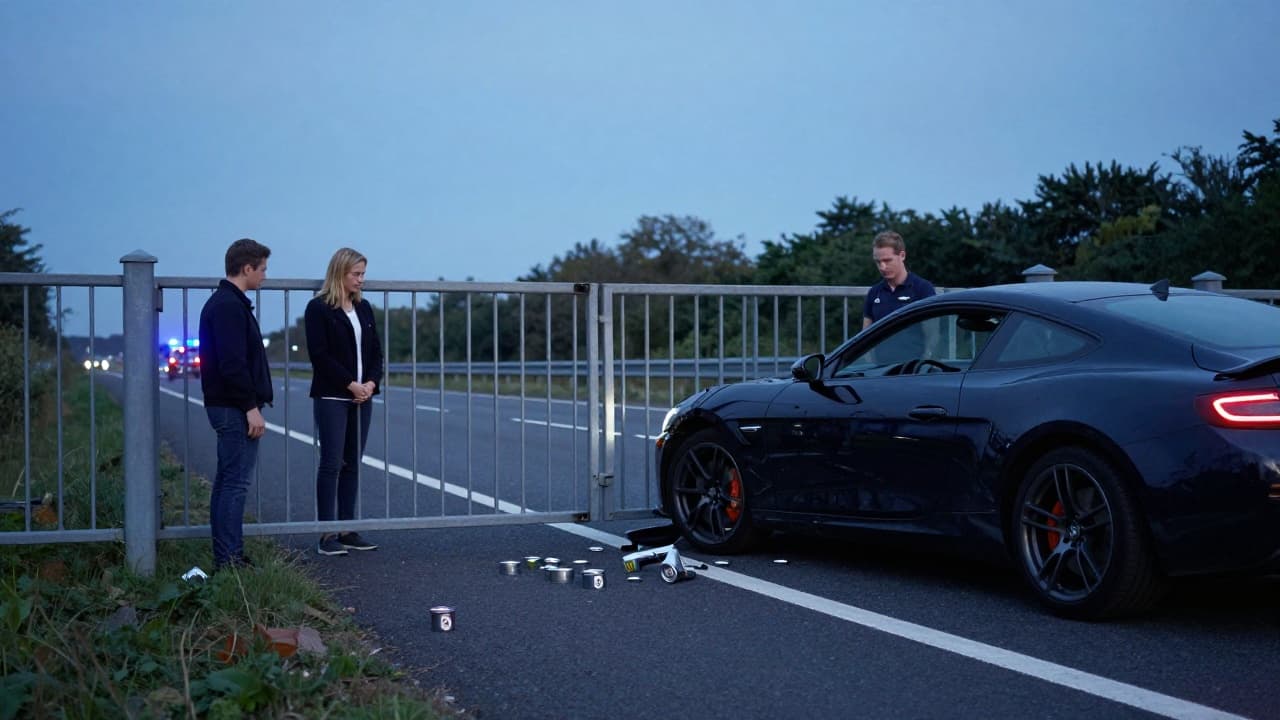
At an earlier hearing in September, Sterling pleaded guilty to dangerous driving on a motorway before crashing his Lamborghini on 28 May. The court heard that the crash caused significant damage to the car and all four wheels, preventing him from continuing to drive. Sterling also admitted to possessing nitrous oxide for unlawful inhalation and failing to provide a sample for analysis.
Sterling was born in Kingston, Jamaica, and was just two years old when his father was shot dead. His mother, Nadine, was determined to provide a safer environment for her children. She moved to England to pave the way for Sterling and his sister to join her after she found a home and finished her education, cleaning bathrooms and changing bed linen in hotels to earn extra money. Sterling grew up in a housing estate in Neasden in north-west London, and part of his schooling was spent at Vernon House, where teachers attempted to help him with behavioural issues.
In a 2018 interview with Players' Tribune, Sterling said: “I was so naughty that I was expelled from primary school. I didn’t want to listen to anyone except my mum. That was my problem.” He was 10 years old when teacher Chris Beschi told him: “If you carry on like this, by the age of 17 you will either be playing for England or in prison.”
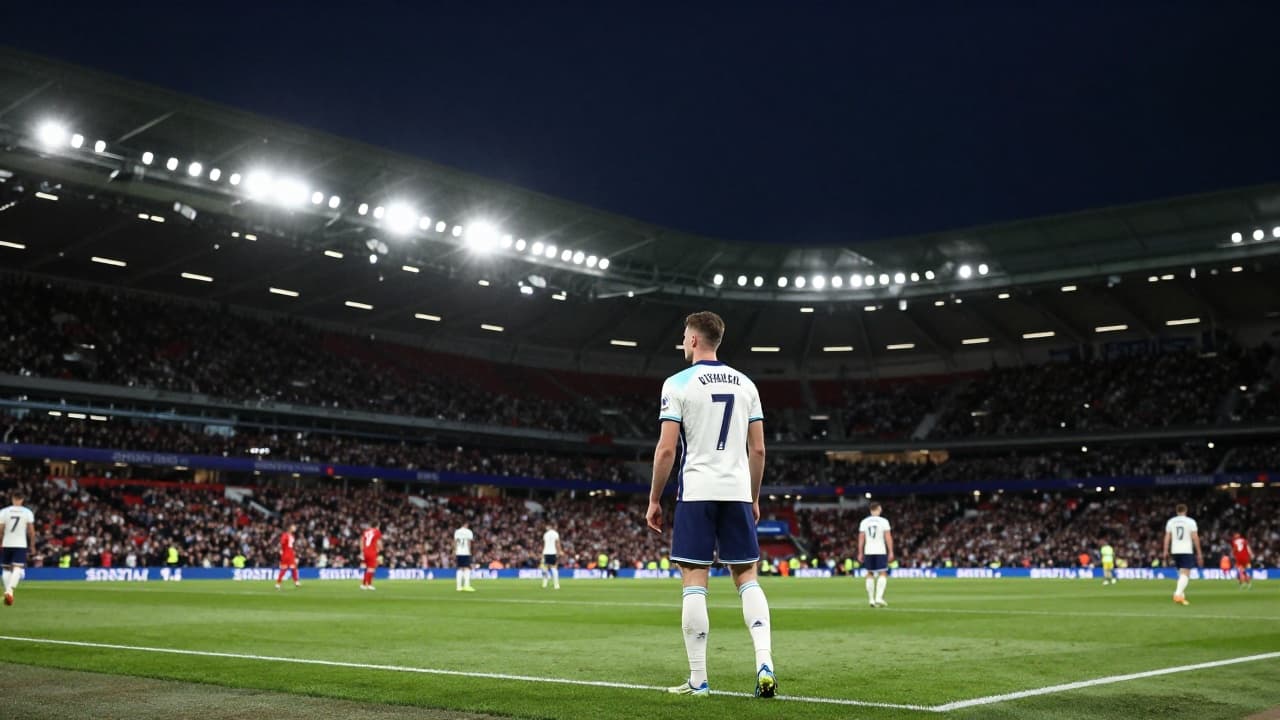
Sterling made his Premier League debut at 17, and on 14 November 2012 — at 17 years and 342 days old — he made his England debut on the night his Liverpool captain Steven Gerrard earned his 100th cap in a 4-2 defeat by Sweden in Stockholm. He went on to earn another 81 caps and score 20 goals for the national team. He played in three World Cups — 2014, 2018 and 2022 — and two European Championships. He was one of the standout players as England reached the Euro 2020 final at Wembley, where they lost to Italy, and Uefa named him in the team of the tournament.
Liverpool signed the 15-year-old Sterling from QPR in February 2010 for £600,000. Two years later, he made his debut for the Reds’ first team. He became the second-youngest scorer in Liverpool’s history — behind Michael Owen — when he scored the winning goal against Reading in October 2012 at the age of 17. In 2015, Sterling moved to Manchester City in a deal worth up to £49 million, making him the most expensive English player at the time. He was under contract at Anfield until 2017 but refused a new deal to move to the city rivals. Then-City manager Manuel Pellegrini described the 20-year-old as “one of the best forwards in world football”.
Sterling scored 131 goals in 339 appearances in all competitions during seven years at the Etihad. He helped City win four Premier League titles, five League Cups, one FA Cup and one Community Shield. In 2021, he was appointed MBE in the Queen’s Birthday Honours for services to the fight for racial equality in sport. “I am grateful to be recognised. But my priority is to try to help educate society and myself. I am learning every day,” Sterling said.
He moved to Chelsea in 2022 in a deal worth £50 million at the age of 27, when the club was managed by Thomas Tuchel. Tuchel stated at the time that Sterling was “a huge player with a huge influence in English football over the last few years” and was “at the perfect age to take responsibility for the younger players and be an example”. He added that Sterling “just needs to do what he has been doing for the last few years and he will be a huge asset”. Tuchel, now England manager, was sacked two months after Sterling signed. Sterling made only 45 Premier League appearances for the Blues in four years, and spent 18 months in the so-called Chelsea “bomb squad”. A one-year loan spell at Arsenal in the 2024/25 season was largely unsuccessful. At the peak of his career, he earned £325,000 a week at Chelsea, and generated around £100 million in transfer fees overall. He also played for Liverpool, Manchester City and Arsenal, and ended his England career after 10 years.
Off the pitch, he launched a scholarship fund aimed at reducing the gap in the number of black British students entering university. In 2015, when he was 20, reports began to emerge about his off-field behaviour. Sterling was photographed apparently inhaling nitrous oxide and was also filmed with shisha water. Then-Liverpool manager Brendan Rodgers warned Sterling that he would “look back in 20 years and ask himself what he was doing”. Sterling also made headlines while on England duty at the 2018 World Cup in Russia, when The Sun published an article titled “Raheem shoots himself in the foot” alongside photos of an M16 assault rifle tattoo.