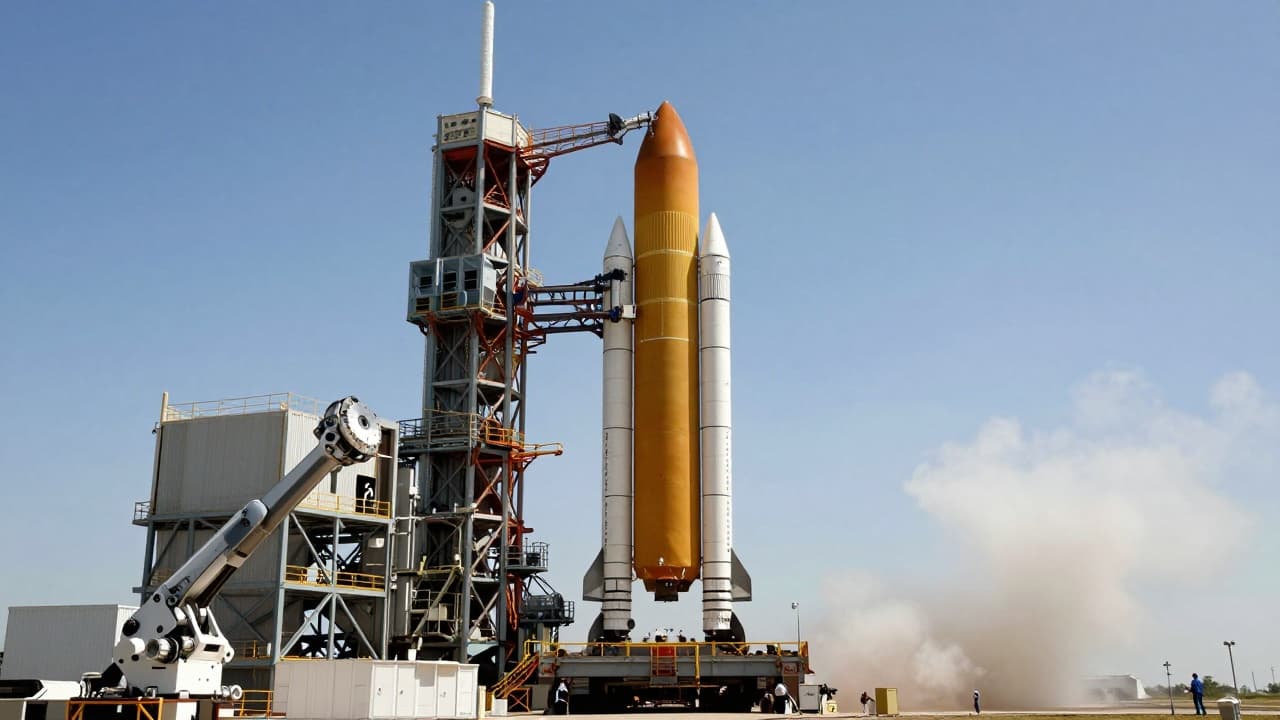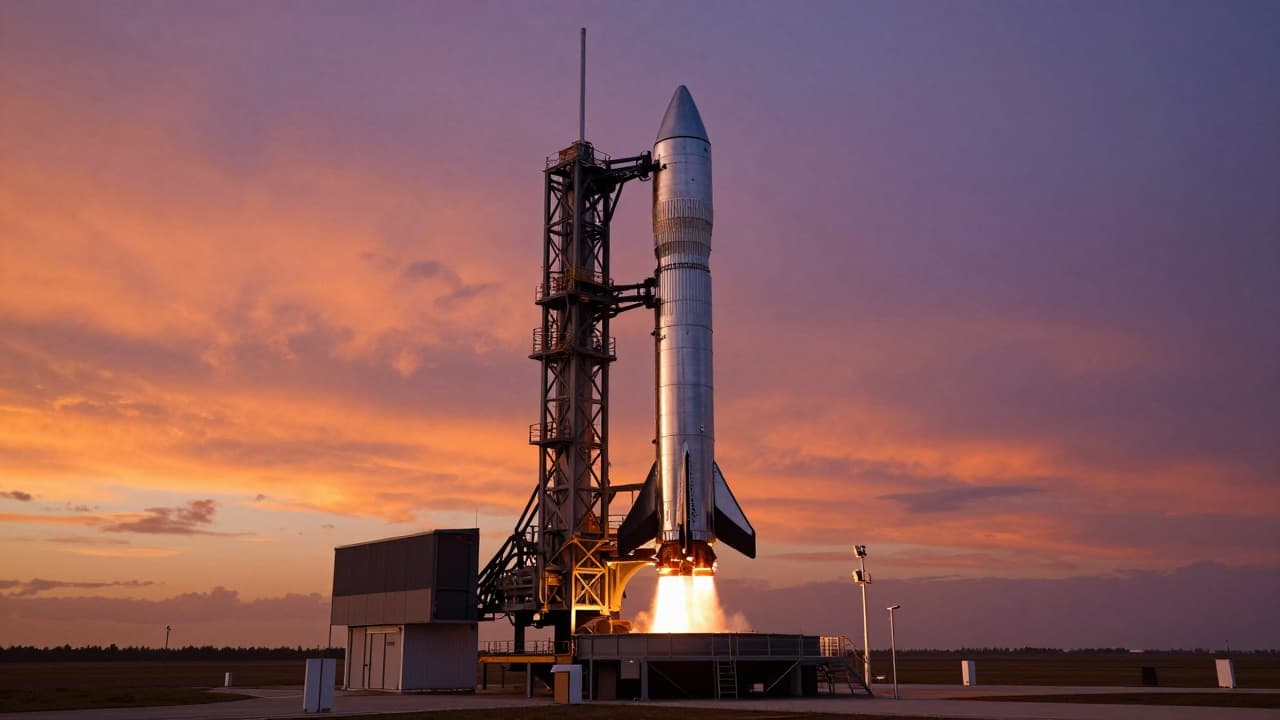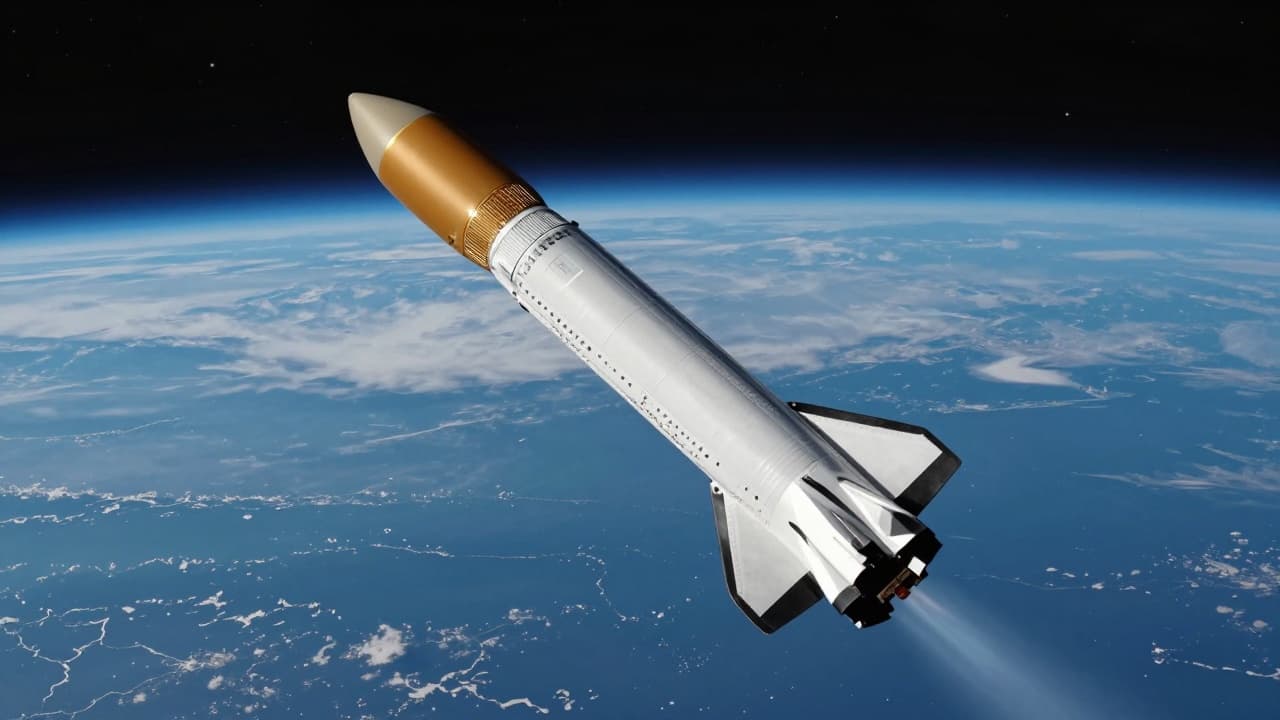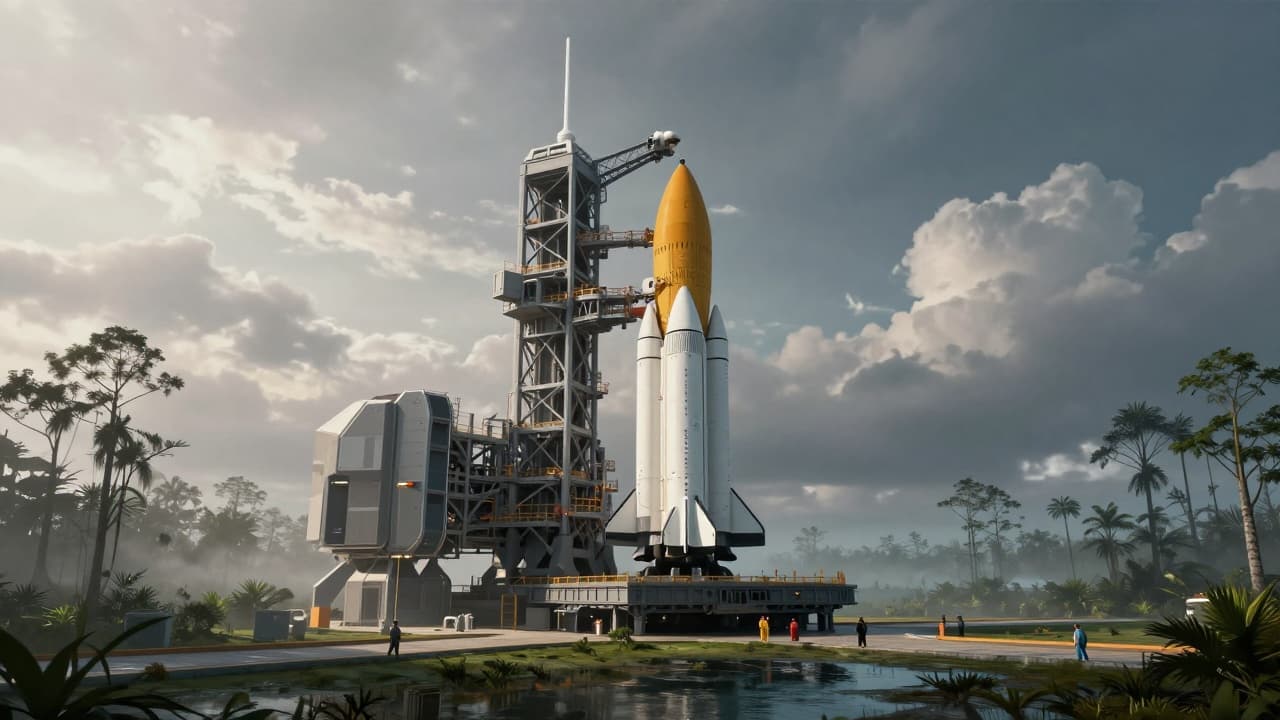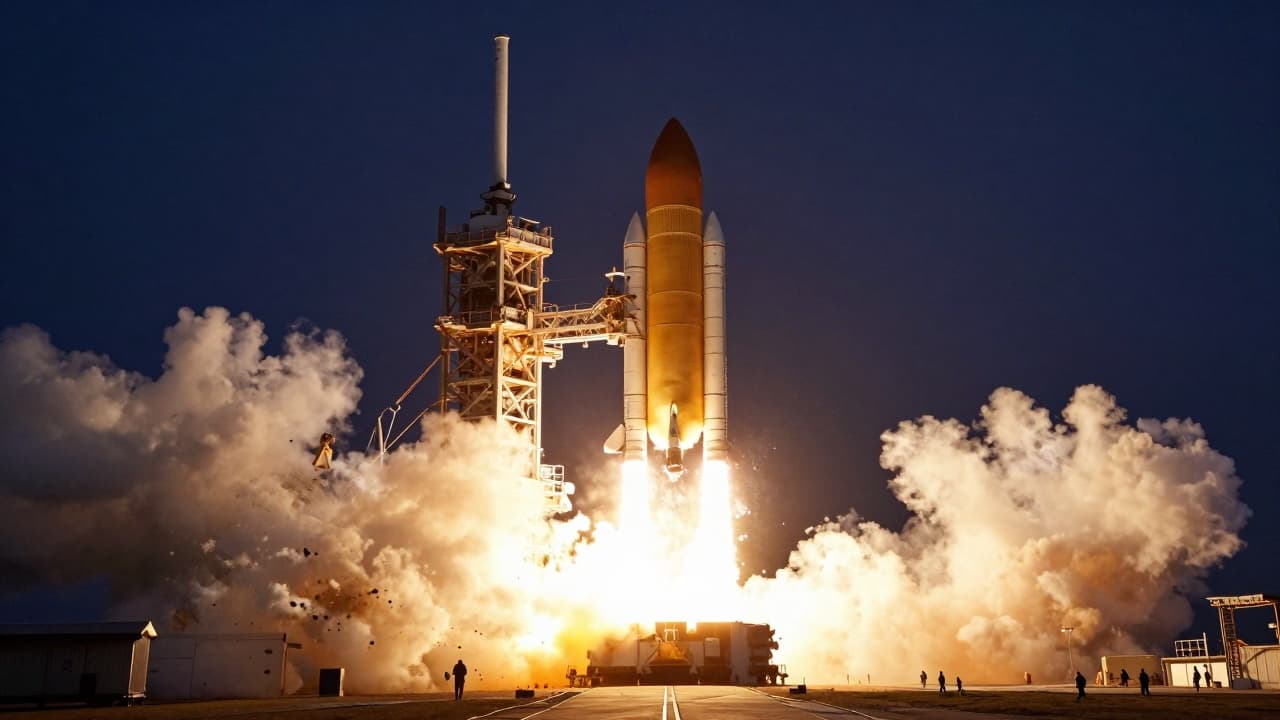
SpaceX launched its 15th flight of the Starship spacecraft from Texas on Friday. The mission is one the company hopes will become the first orbital rocket trip to return to the same location from which the spacecraft left Earth.
It is a key test of Elon Musk’s efforts to build a fully reusable rocket system. Plans envisage the uncrewed Starship upper stage re-entering the atmosphere after nearly a full day in orbit before returning to its launch tower on Saturday.
The landing is to be controlled by engines with the help of giant mechanical arms, a pioneering mechanism for catching the vehicle on landing. SpaceX had intended to use the same return flight technology and chopstick-like mechanical arms to bring back the lower section of Starship shortly after the two parts of the spacecraft separated, a few minutes after launch.
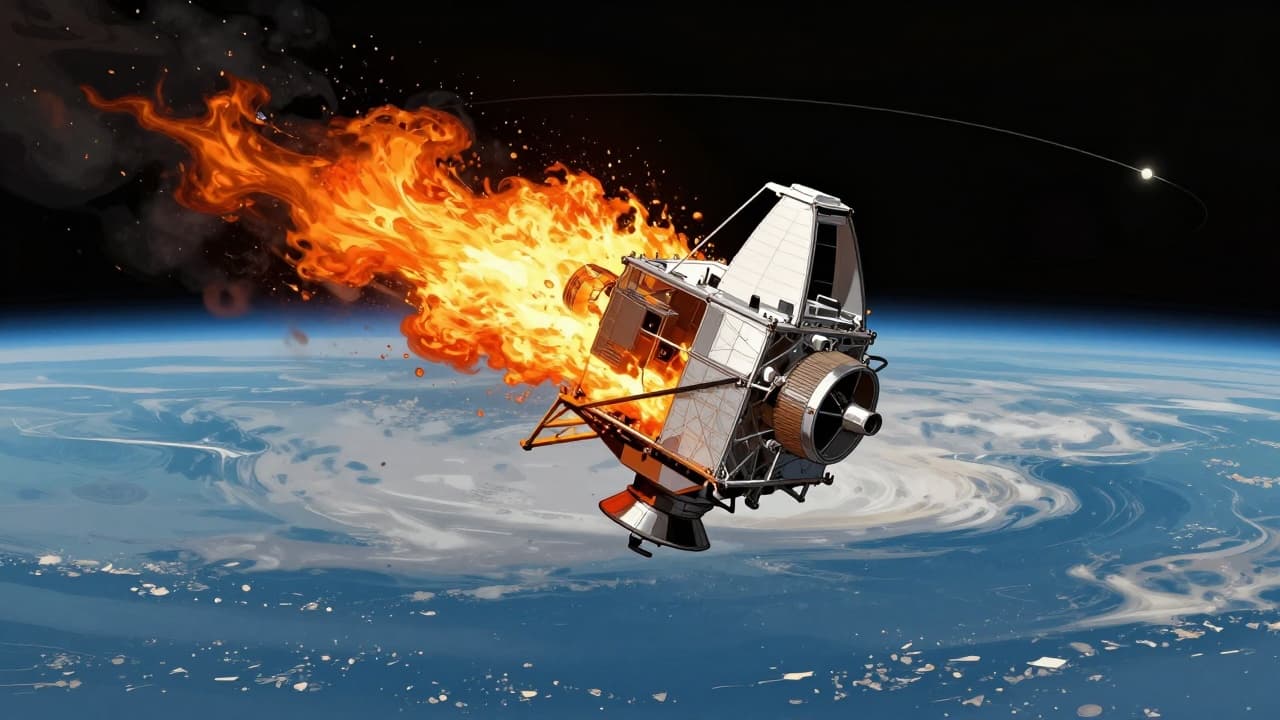
However, the Super Heavy lower section of the spacecraft, for reasons not immediately clear, veered off its return path towards the Gulf of Mexico. The lower section hovered briefly in the air before exploding at a low altitude above the sea surface.
SpaceX mission controllers hope to have more success guiding the Starship upper stage back to its home base at the end of the flight. The spacecraft reached orbit 27 minutes after launch, SpaceX said.