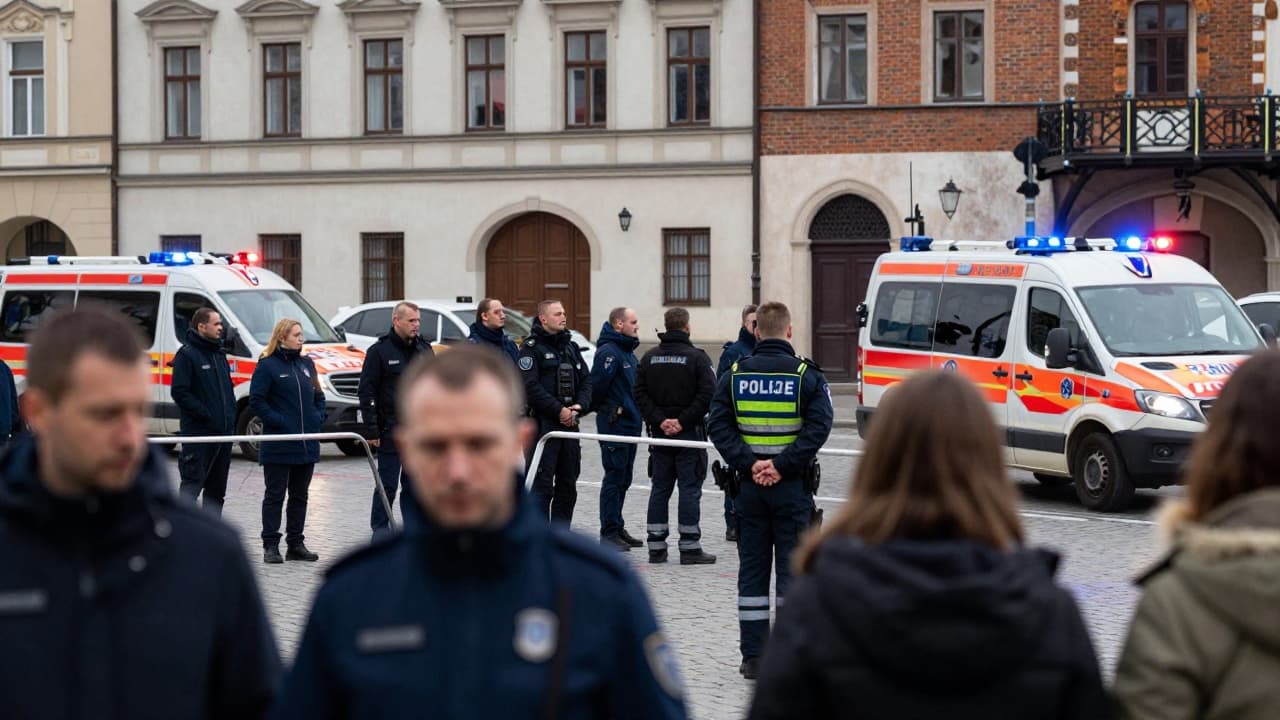
Polish Justice Minister Waldemar Zurek told Radio Krakow that there are "very strong indications of right-wing extremism" regarding the motives of the suspect in the attack on the historic main square in Krakow. Zurek also said it is clear that the suspect visited internet pages concerning Norwegian mass murderer Anders Behring Breivik.
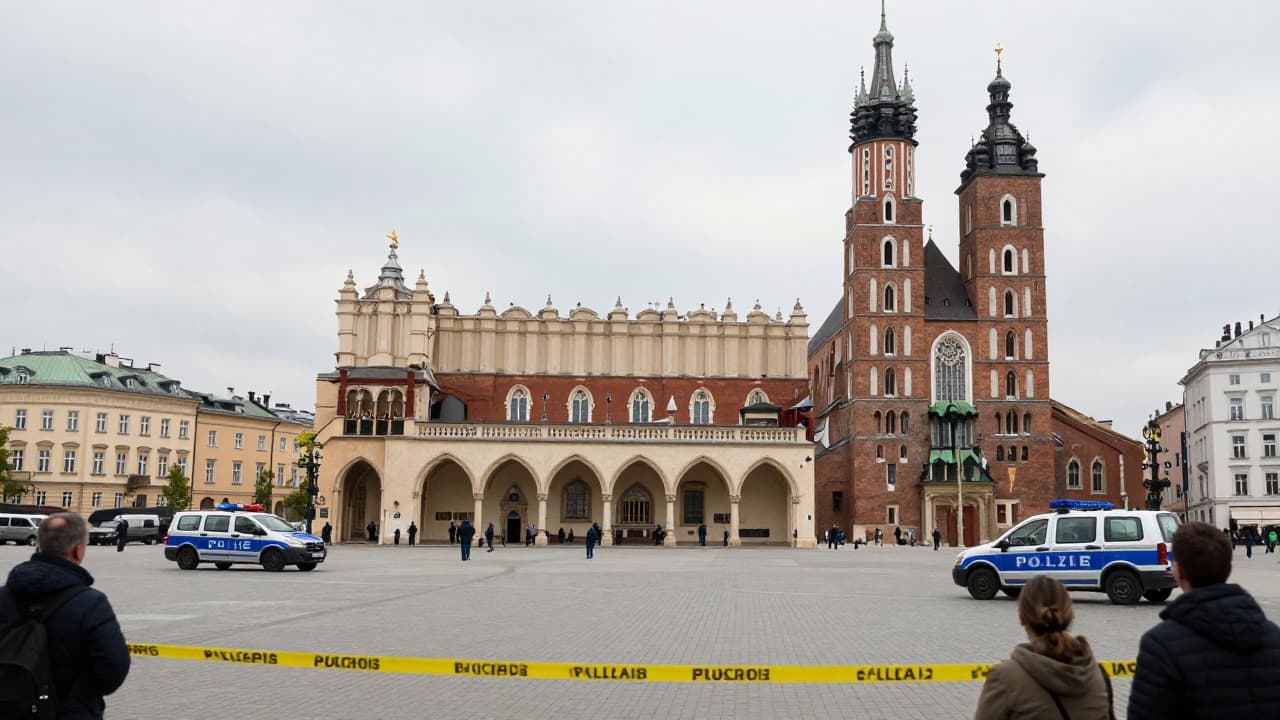
Prosecutors identified the suspect as 24-year-old Michal Oksinski, a factory worker. Oksinski died in hospital on Monday after being shot by police following an attack from a car on the historic main square in Krakow. Four women and two men were killed in the shooting, and according to authorities, three women and one man were Polish citizens. Among the dead were a man from Britain and a woman from Austria.
Zurek added that a yellow flag with a snake and the inscription "Don't tread on me" was found in the attacker's room. This is the Gadsden flag, which first appeared during the American Revolution in the 18th century and has been used in the modern era by far-right groups in the United States. The minister said that symbols "which could point to this line of investigation" were also found at Oksinski's workplace.
The bodies of Oksinski's father, mother and sister were found in their home on Saturday. Officials say Oksinski likely killed them as well. Two police officers who stopped the attacker remain in hospital, and both are conscious.
The attacker's motives are the subject of fierce political debate. Interior Minister Marcin Kierwinski said on Saturday, just hours after the incident, that the attacker was motivated by far-right ideology. Leader of the opposition nationalist Law and Justice (PiS) party, Jaroslaw Kaczynski, called Kierwinski's statement "an obvious lie". PiS MP Michal Wojcik told Reuters he was "shocked" by Zurek's claims and said representatives of the Polish government were acting dishonestly towards the international community. Government members appeared to back down on Monday, with Kierwinski telling a public radio station on Tuesday that he was not retracting anything he had said, but was waiting for the findings of the investigation.
Breivik killed eight people with a car bomb in Oslo in July 2011, and then shot 69, mostly teenagers, at a Labour Party youth organisation camp on Utoya island. Breivik was sentenced in 2012 to 21 years in prison, which was then the harshest penalty under Norwegian law, with the possibility of indefinite extension if deemed a continued danger to society. His applications for parole have so far been rejected.