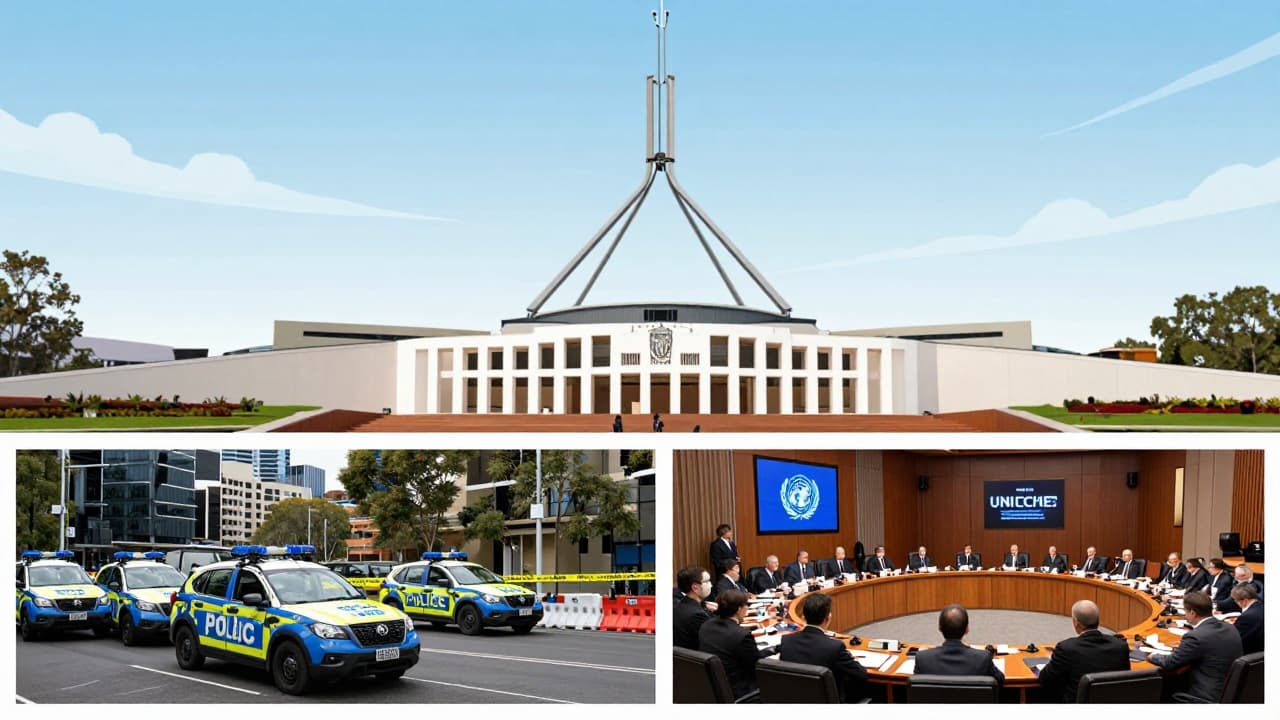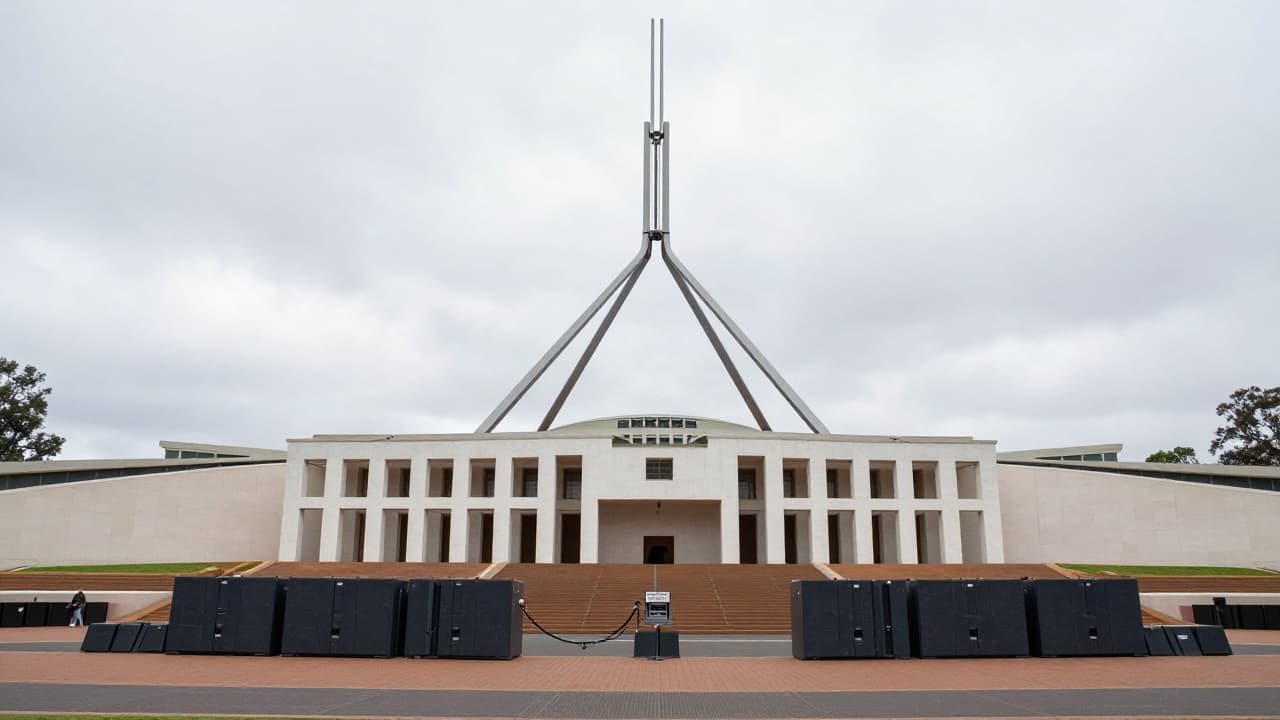
Security agencies will review the protection measures for the homes and offices of members of the Australian parliament, as numerous federal politicians have complained in security briefings about rising threats following the alleged attack on Helen Haines. Haines lost both legs in an incident on Monday that has triggered a series of discussions on parliamentary security.
In security briefings received on Wednesday by ruling Labor, coalition and independent members from the Australian Federal Police (AFP) and ASIO, the security of homes and electorate offices was a common concern, according to Guardian Australia conversations with ten members of parliament. Many MPs said they had spent thousands of dollars of their own money on installing security features on the advice of the federal police. Federal ministers receive stronger security assistance, while many backbenchers feel inadequately equipped.
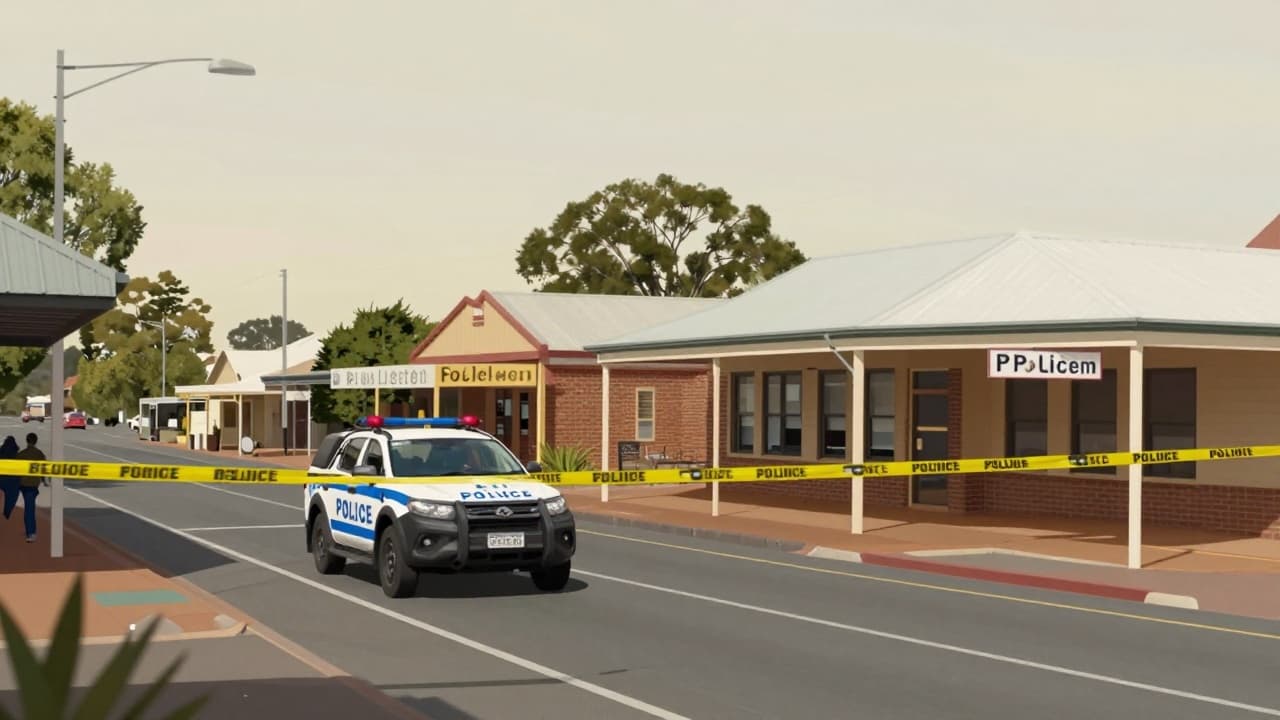
Independent MP Monique Ryan stated: "People are now activating because they see us as part of the government. We represent the system to them, just like anyone else." Two years ago, the AFP recorded 951 reports of harassing and threatening behaviour towards office holders, and last year that number increased to 1,067. On Thursday, a man from Western Australia was charged after allegedly making verbal threats while possessing nunchucks outside an electorate office in Perth. No one was injured, the Western Australia Police said, and his bail application was refused.
Several politicians requested to speak anonymously to share their thoughts on the reports. Many praised the AFP's response when their staff contacted the agency. Some said they received less timely assistance from local police when they sought help, for example in response to aggressive visitors. Numerous MPs said they did not want bodyguards or armed escorts for themselves in public, but were concerned for the safety of their homes and families. Some noted they would feel more comfortable with cameras and floodlights at home and decided to pay for their own improvements because such measures were not offered in security agency risk assessments.
One independent MP said that independent members were considering whether taxpayers should pay for additional security measures at their homes. Several MPs expressed a desire for greater security support, but also doubt about how much this would affect their overall security and how much more the AFP could do. Guardian Australia has learned that security officials have promised to assess the security arrangements of MPs who have raised specific concerns. A broad government review is not expected at this stage.
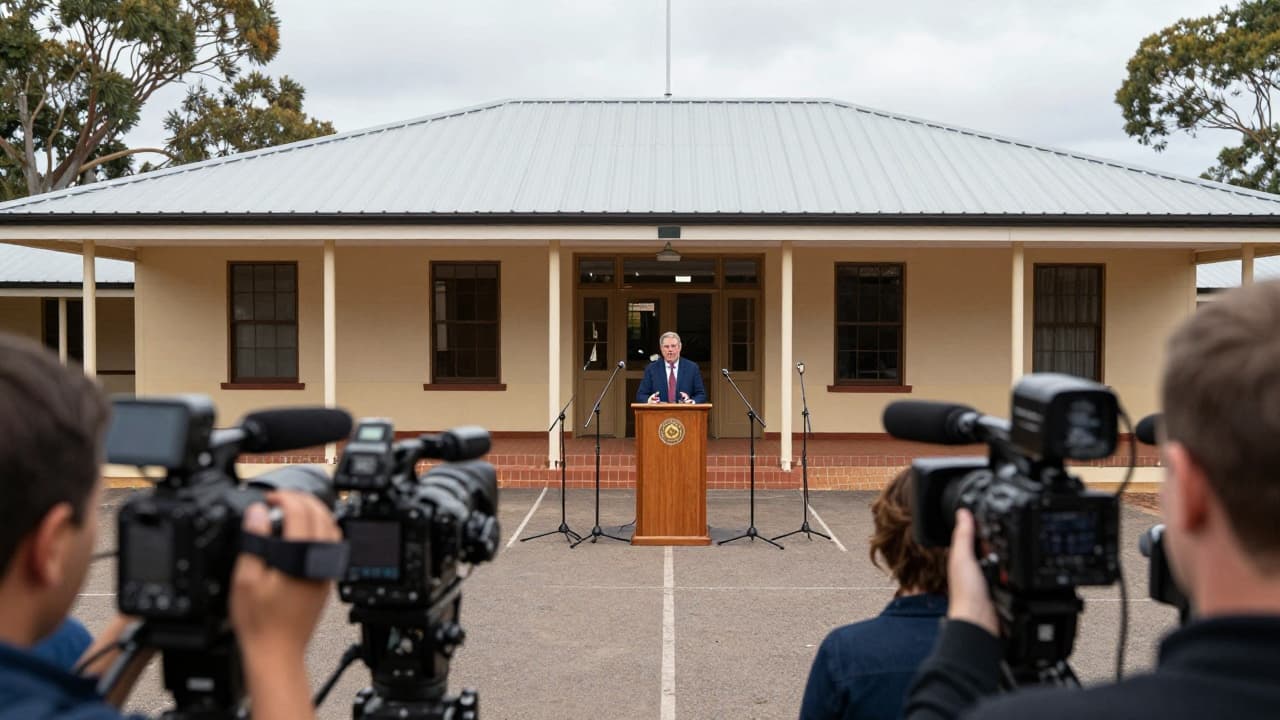
Other responses could include providing MPs with more information on the background work of police agencies throughout the year, such as threat assessments and periodic checks. Prime Minister Anthony Albanese told News24 that his government had overseen "an increase in security funding for members of parliament in recent years". "We want to ensure that people feel as comfortable as possible, that everything is done to maximise security," Albanese said. "But also, I think parliamentarians across the spectrum are determined to ensure that we can continue to participate as we should in this great democracy."
A spokesperson for Minister for Home Affairs Tony Burke said: "Threat reviews for senior officials are constantly conducted by our agencies." Ryan, who is close to Haines, said she had rarely seen such a level of concern among colleagues. The Labor government and politicians across the parliament are still considering how to respond when they return to Canberra next week. Ideas being considered include a new MPs' security committee, greater resources for police and proposals to express condolences to Haines. Repeated calls from independent MPs for reform of question time and the tone of debate in parliament are unlikely to be accepted by the major parties.