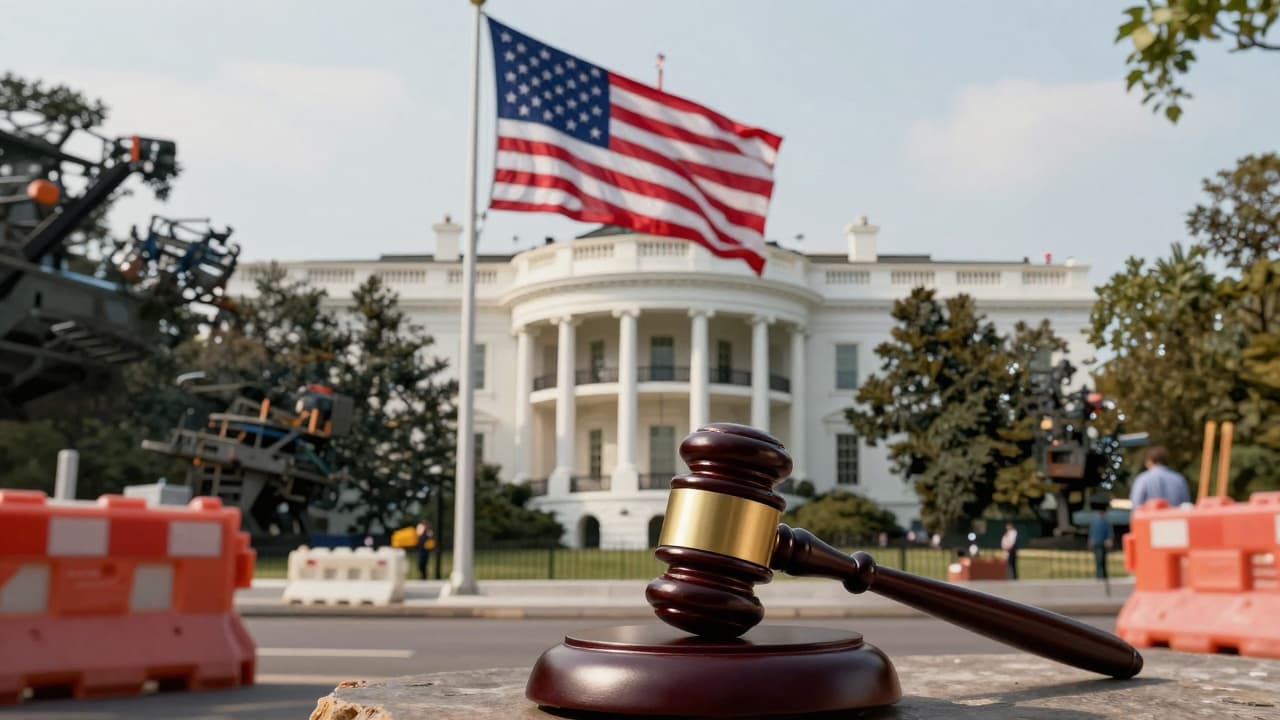
Twenty-two states filed a lawsuit against the executive order issued by Donald Trump, which aimed to restrict postal voting. At the heart of this legal dispute is the question of constitutionality and the application of these measures, leading to complex legal debates. The judge dismissed the preliminary injunction but ruled that the lawsuit was premature, allowing for further legal challenges. The Supreme Court ruled that the lawsuit was premature, allowing for further legal challenges, but maintained the order preventing the postal service from implementing the said measures. Although the legal department argued that this block should be lifted, the Supreme Court's decision maintained the current status quo.
In a similar context, geographical aspects were also the subject of debate. Adam Kalkstein, a well-known architect, filed a lawsuit in federal court in Manhattan, claiming he was fired from his job at the United States Military Academy (West Point) because he expressed views on climate. This case further highlighted the complexity of freedom of expression and its application in different contexts. West Point, which received $2.2 billion for five contracts for the construction and management of nuclear micro-reactors, was also part of the broader context of these debates. These events illustrate the complexity and interconnection of different aspects in the legal and social context.