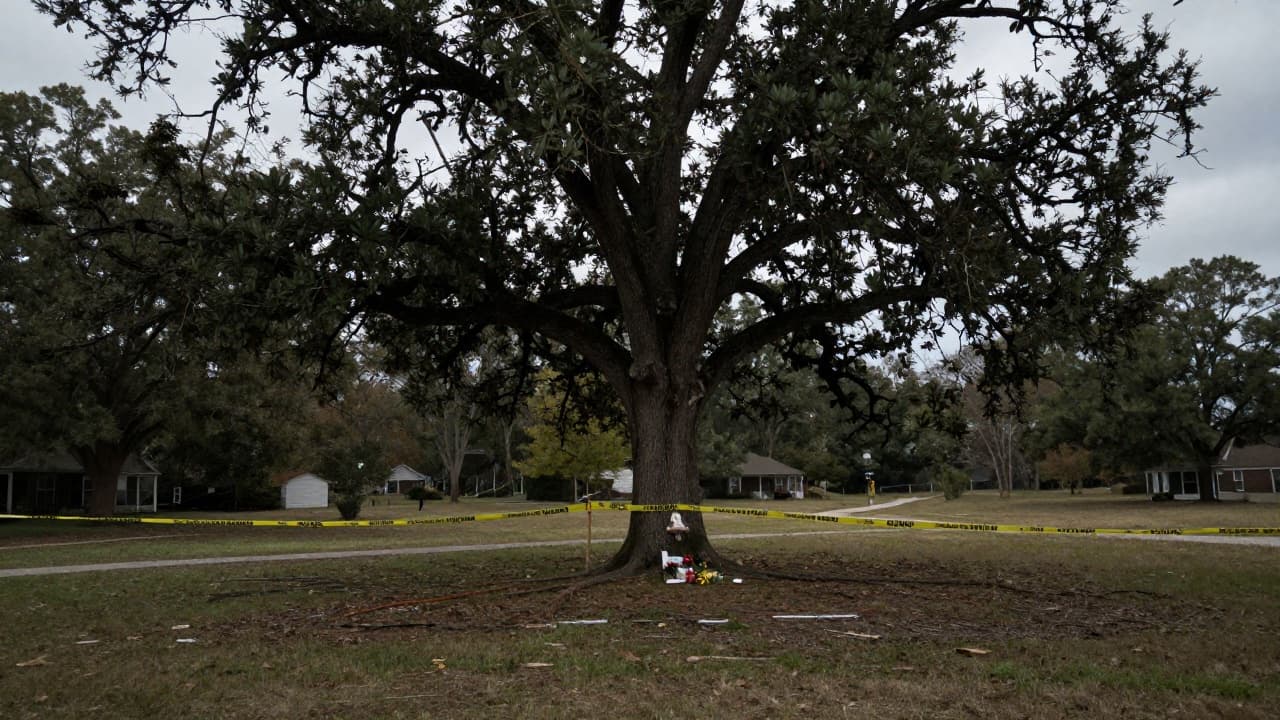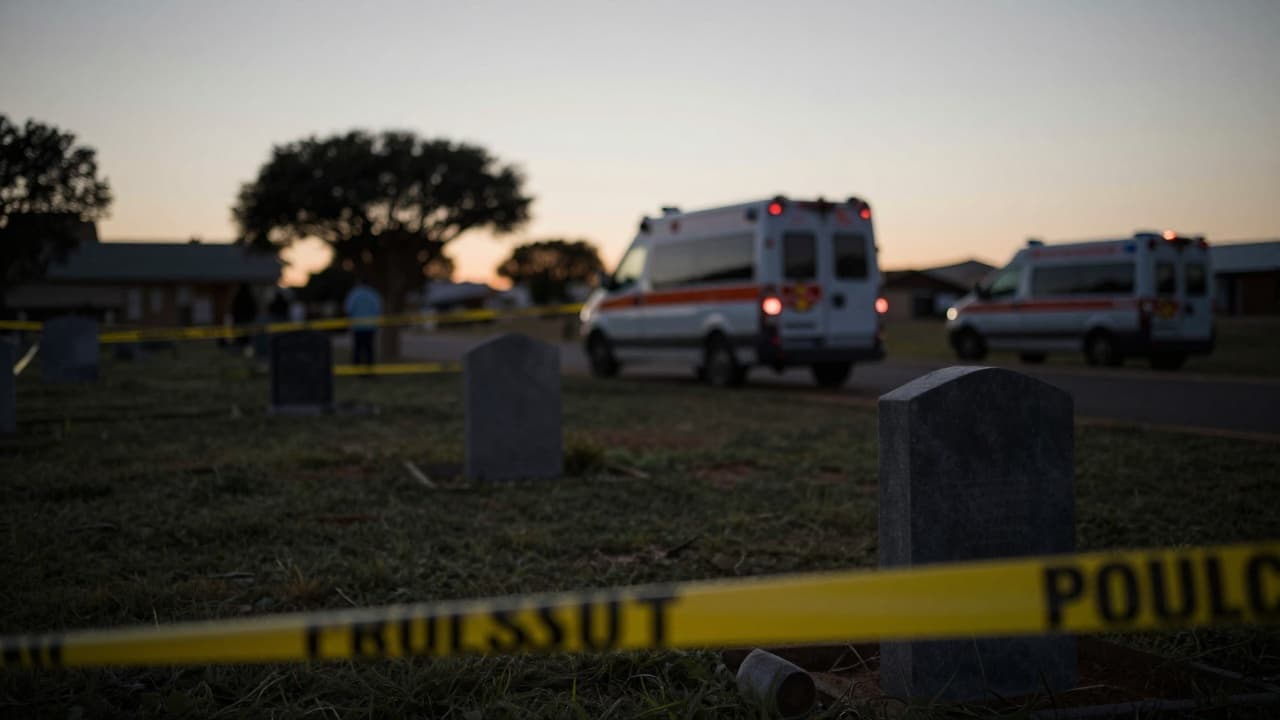
South African police reported that on Saturday morning they found another body in a suburb of Johannesburg. This brings the number of dead women in the area to ten. The latest body was discovered on a cemetery in the suburb of Tembisa, to the northeast of central Johannesburg.
The body was identified by a friend who had been with the woman at a bar the previous evening. The friend told the national broadcaster SABC that she recognised the woman's clothing when shown a picture of the body the previous night. "I don't know what to say to her children," she said, adding: "It is painful." Officials have not yet publicly identified the victim.
Police issued a statement shortly afterwards that investigators were collecting evidence at the scene. The Gauteng provincial police commissioner, Tommy Mthombeni, said that in this early stage of the investigation it was too early to say whether the woman's death was linked to the others. He told reporters that the other bodies shared "similar victimology" indicating a common "modus operandi" in the killings. "For now, we cannot rule out the possibility that there is a serial killer, but we cannot confirm it definitively," Mthombeni said.
The other bodies had been found in similar circumstances to one another since July. Most were found in Kempton Park, a suburb adjacent to Tembisa. Many of the bodies were of young women and all had suffered extreme violence before death. The local police commissioner highlighted similarities between the deaths in Ekurhulu, as well as in another instance in Soweto, and stated that his forces could not rule out the possibility that a serial killer was at large.
The deaths have sparked national outrage over the scale of violence against women in the country, which has one of the highest rates of gender-based violence in the world. The South African Human Rights Commission stated last week that 569 women were killed, and a further 1,052 survived attempted murder between April and June of this year. South African police statistics do not distinguish victims by gender, and the country has one of the highest murder rates, with 5,427 people killed between April and June of this year.
The deaths have increased pressure on the national government less than a year after gender-based violence was declared a national catastrophe. Three men appeared in court earlier this week, charged with involvement in one of the nine murders, with police working to identify others who may have been involved.