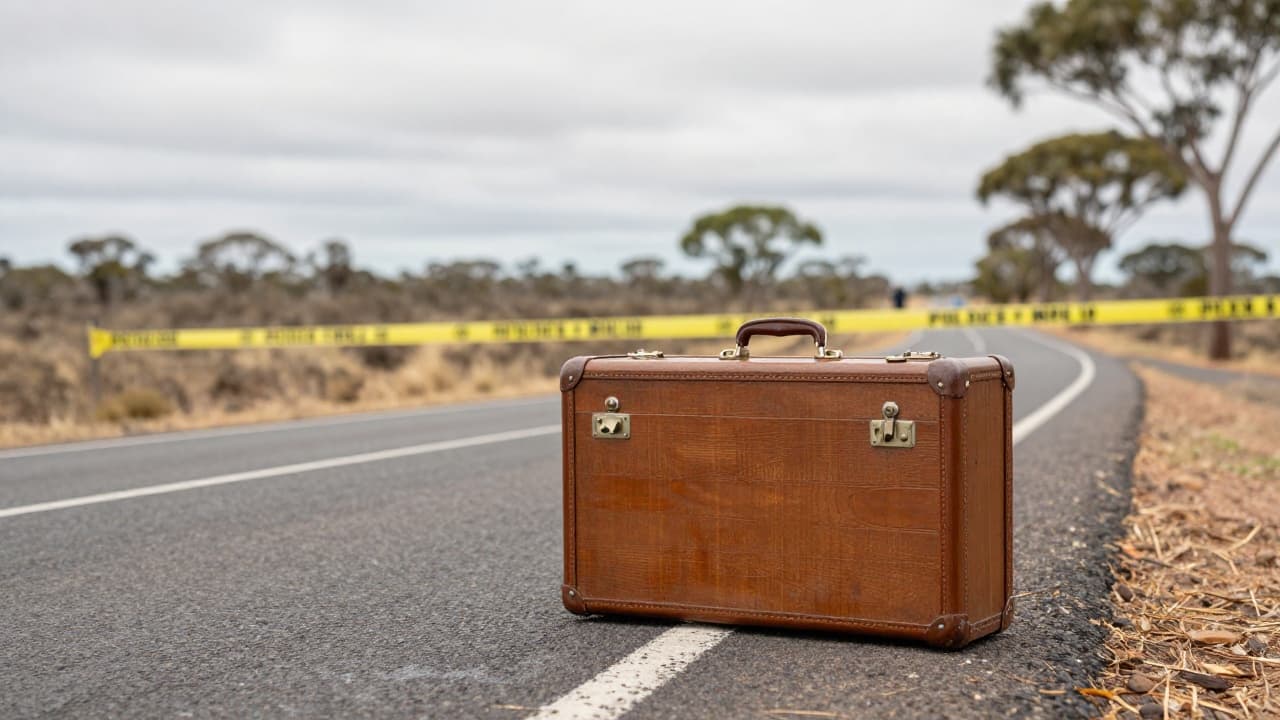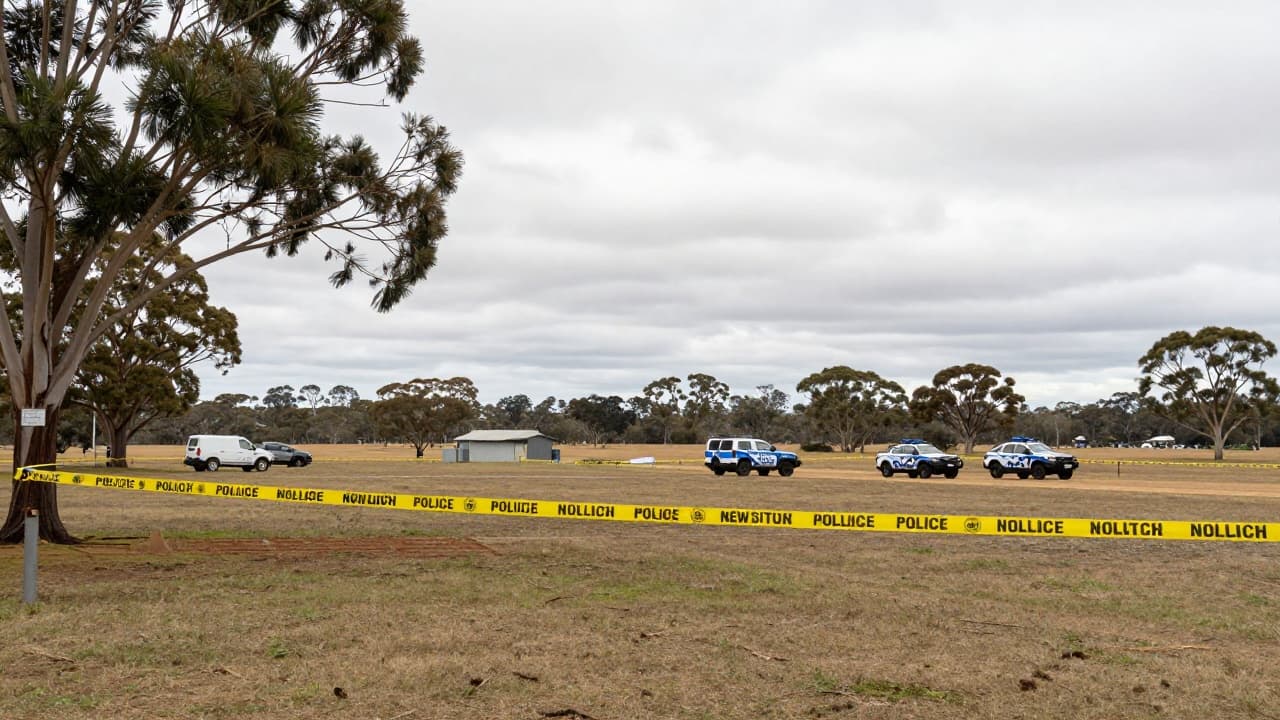

South Korean police have announced a review of more than 310,000 missing persons cases, aiming to rectify systemic errors in handling these cases. This measure follows the discovery that many cases were closed without proper investigation, a scandal further exacerbated by allegations that some officials falsified records to more easily close cases where individuals were found deceased.
President Lee Jae Myung ordered an immediate investigation into how police handle these cases, emphasising the need for a thorough review of existing procedures. As part of these efforts, the Minister of the Interior stated that the scandal reveals deep structural issues in how missing persons are handled in the country. The minister stressed that a reform plan must be adopted to ensure greater transparency and accuracy in police work.
Statistics from recent years show concerning trends: in South Korea, more than 70,000 people go missing each year, with 99.7 per cent of these cases closed without extensive investigation. In a single year, 931 people were found deceased in the context of these cases, indicating serious oversights in the initial assessment of the disappearances.
The current legal framework in South Korea strictly regulates the status of missing persons, allowing the status only for children, people with autism, or those with dementia and mental disabilities. This status allows police to access location data, issue mobile phone alerts, and compile DNA profiles from family members. However, other individuals, including adults, do not fall into this category and therefore do not automatically have access to these tracking tools.
This division has drawn criticism, particularly when considering the case that triggered all the changes. In it, police closed the case of 37-year-old woman Jang Mi-ran approximately two hours after her partner reported her missing. Although police determined that there was no record of the call the officer made before closing the case, the woman’s body was found 104 days later, in a palm tree 400 metres from where she was last seen.
In addition to this case, several similar incidents have been recorded in South Korea, including two men whose bodies were found within days of their disappearance being reported. These cases, along with those closed previously, have prompted calls for urgent reform. Critics argue that adults should be entitled to the same missing person status, which would allow for the faster and more effective locating of individuals.
Despite this, there are cautions regarding potential misuse of the new powers. Some experts warn that expanding the powers could lead to abuse, particularly by creditors who might seek out debtors, or by abusers seeking out partners who have fled. Therefore, while reform is necessary, it is essential that it is implemented with strict oversight and protection of citizens' rights.