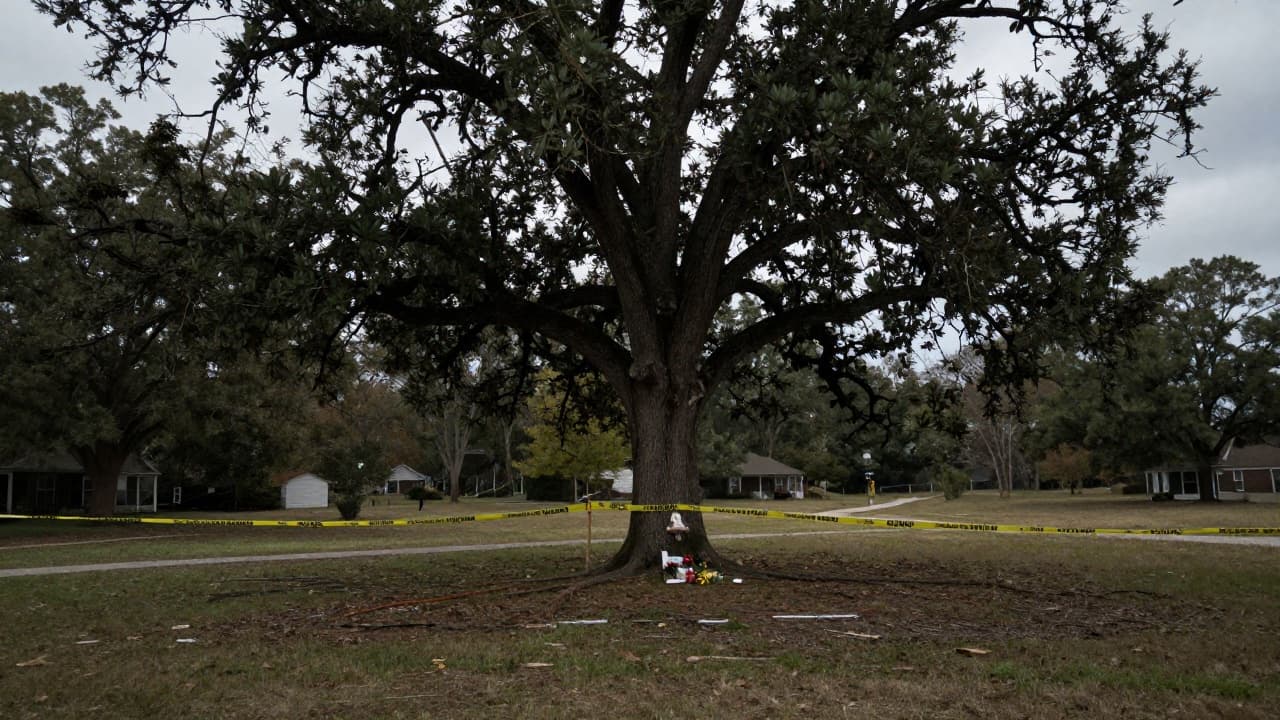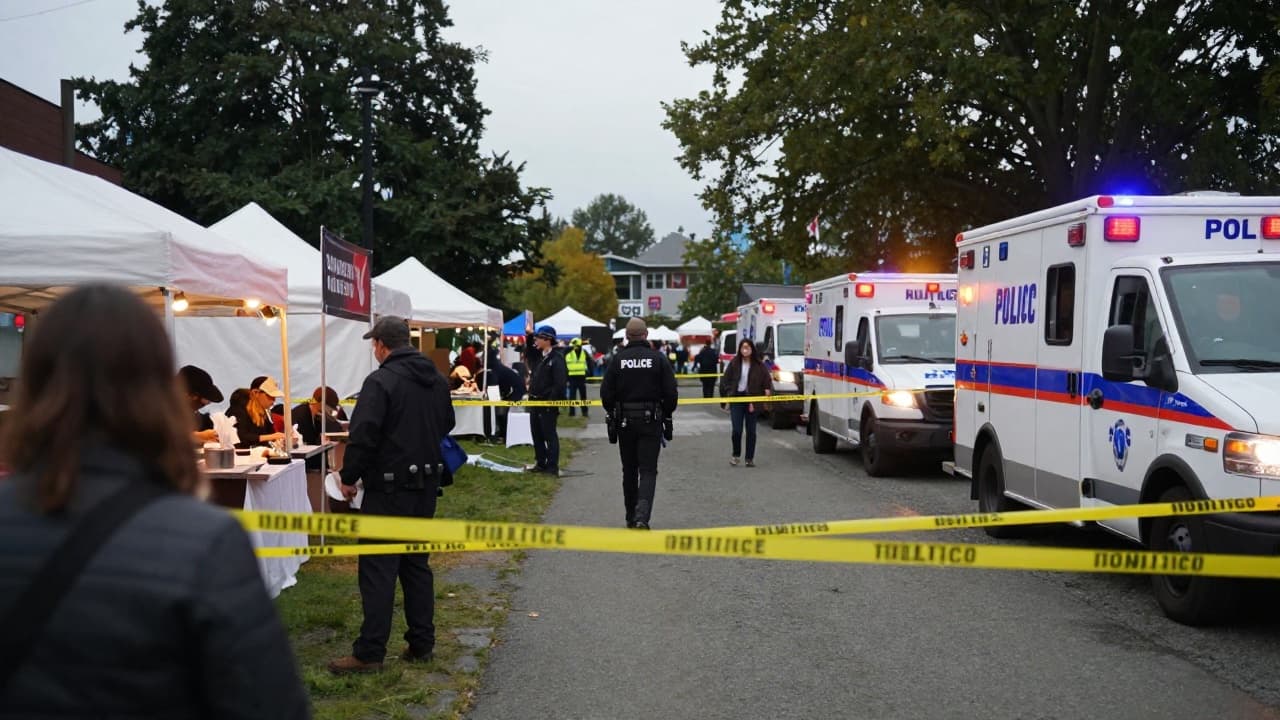

Karen Solomon, a mental health advocate, was found dead on Monday, six days after she disappeared from her home in Massachusetts. Her body was found near the location where her husband, police officer Kurt Solomon, was found dead. The dual tragedy marked the end of a week filled with trauma for the Solomon family, who expressed gratitude to police forces for their help in finding answers, despite the feeling of collapse and loss of orientation.
Kurt Solomon, who had 31 years of service in the police force, died from injuries sustained from sharp objects. His death occurred just before 5:30 am on 18 August. Investigators determined that Karen Solomon, who co-founded the organisation First Help with her husband, was linked to the incident. Her books, such as 'Hearts Beneath the Badge' and 'The Price They Pay', dealt with the experiences of first responders, and in 2020 she highlighted the lack of support for families of police officers who had suffered suicide.
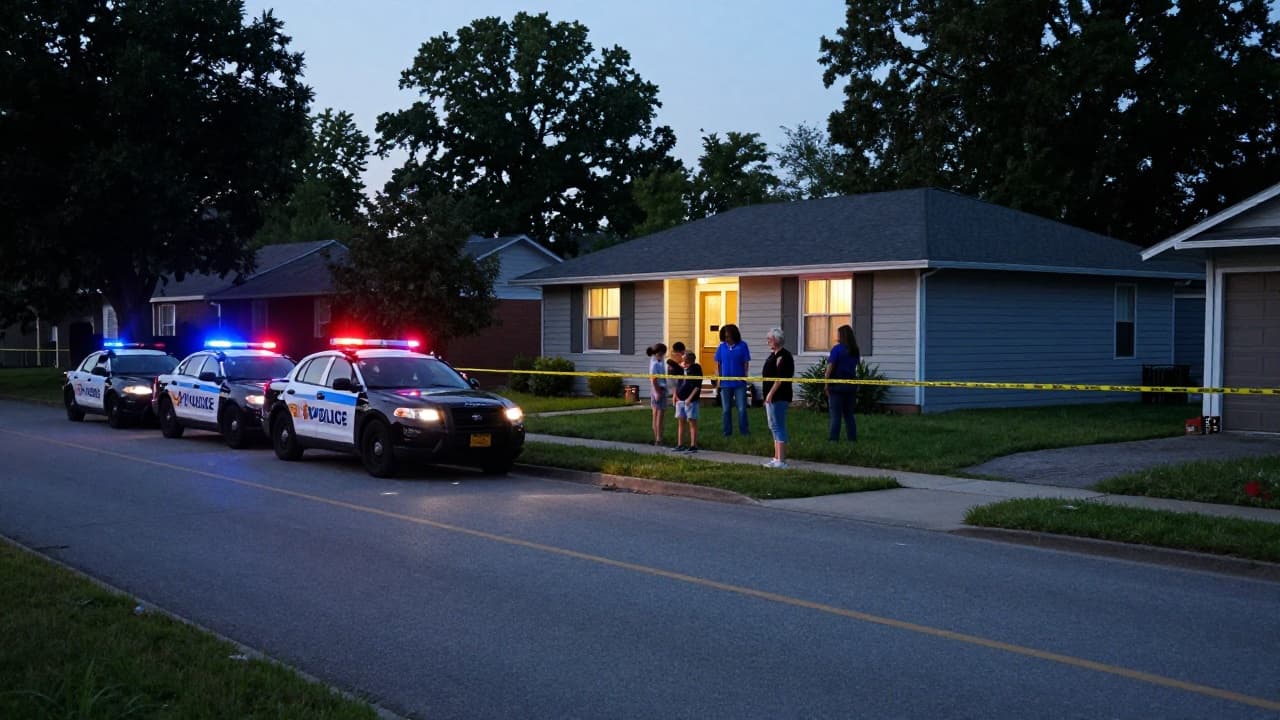
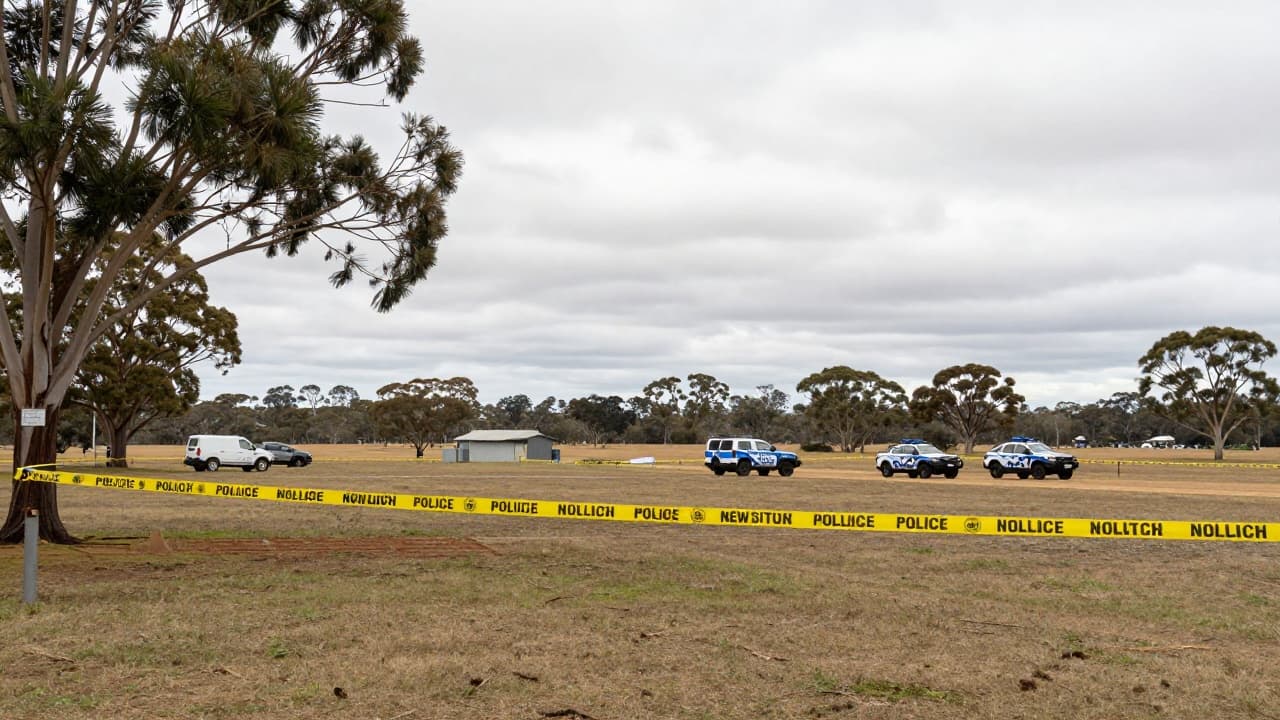
Details of her death emerged through witness testimony and technical evidence. Two people working at the Fairlawn rehabilitation centre reported finding human remains nearby, prompting an emergency response. Investigators determined that the pistol found next to her body was not an official weapon, further complicating the investigation. Footage from a home camera, released on 19 August, showed Karen Solomon walking down the street, wearing a t-shirt, shorts and slippers, minutes after police officers arrived at the house and found her husband.
Commander Thomas Duffy described Kurt Solomon as an 'excellent person' who was like family, highlighting the depth of loss felt by all who knew him. Although a budget for the funeral had been planned, the Solomon family remained in deep mourning, facing a dual loss. This tragedy, which encompassed the psychological aspects of loss, left a lasting impact on the community, particularly on those close to the Solomon family. Investigators are still searching for additional information, trying to clarify all the details of this tragic event.
In the context of the wider society, this tragedy highlights the importance of supporting families who have lost loved ones, particularly in the context of police service. Research has shown that it is important to provide adequate support to families who have lost close relatives, particularly in the context of police service. This tragedy, therefore, is not just a personal tragedy, but a social one, requiring a collective response and support.