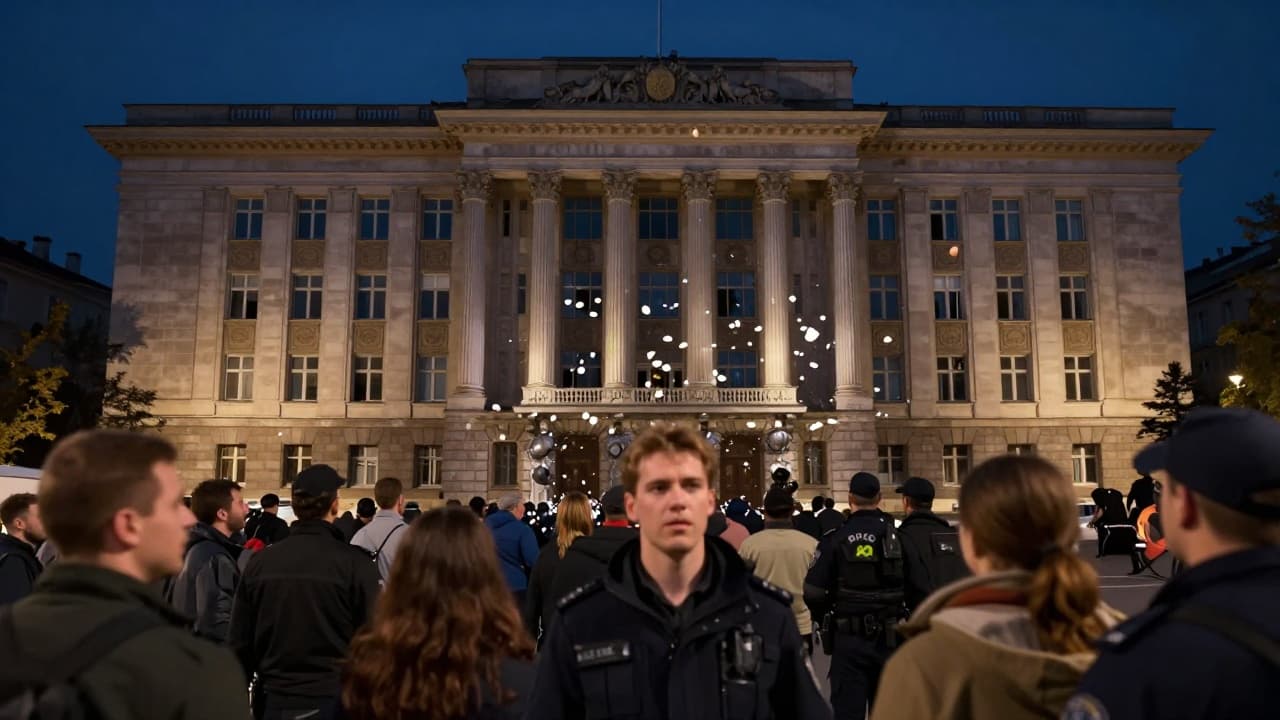
Sonia Gandhi was a young wife and mother living in the prime minister's residence in Delhi on the morning of 31 October 1984. As she prepared in the bathroom, she heard gunshots in the garden. Indira Gandhi, the Indian prime minister, had just left for her office in the adjacent building.
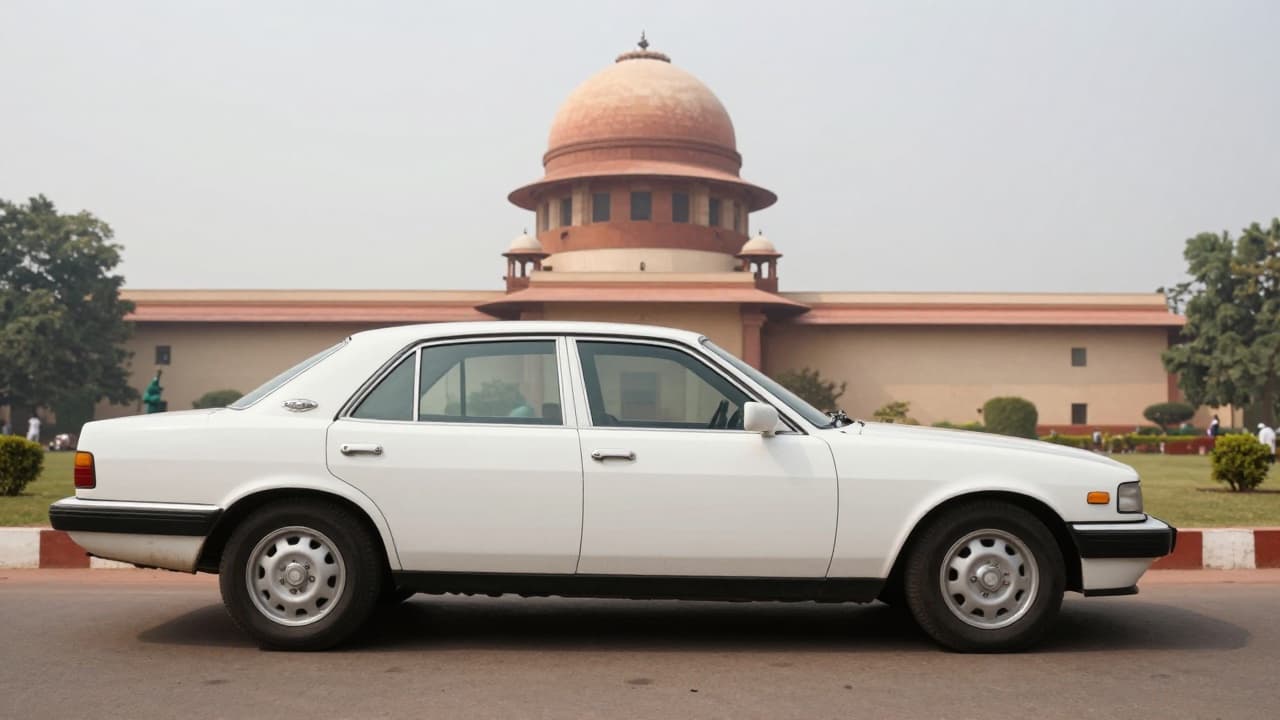
The sound resembled firecrackers but was 'different'. The children's nanny ran over and began banging on the bathroom door, hysterical, pointing towards the garden. Sonia ran towards the path. A white Ambassador car was moving slowly towards her. Inside, Indira lay covered in blood, her sari stained, her eyes open, and her face bearing an expression that Sonia remembered as surprise. She tried to say 'Mama, mama', but the words would not come out.
Indira Gandhi was killed by two of her Sikh bodyguards. The assassination was retaliation for the Indian army's raid on the Golden Temple in Amritsar, the holiest Sikh shrine, earlier that year. In the hospital, Sonia waited for hours before a doctor shook his head. Her husband, Rajiv Gandhi, Indira's eldest son, was called from a conference in West Bengal. When he arrived, he told her that party leaders wanted her to become prime minister. Sonia's reaction was anger and horror. She pleaded: 'They will kill you; they will kill you too!' Rajiv replied: 'They will kill me anyway.' That evening, while Indira's body lay at home, Rajiv took the oath of office.
Her new memoirs are titled 'Belonging: A Journey of Love'. A woman who had largely kept away from politics was now married to the Indian prime minister. Eventually, she found herself leading the Congress party. She led the party through two general election victories. She became one of the most important political figures in the country. In 1991, Rajiv was also killed. For Sonia, the years that followed were marked by withdrawal.
At 19, as a young woman from a small Italian town, she had met Rajiv, an Indian student, in England. Their relationship had led her to a new country and family, followed by a close bond with Indira. India had become her home through her husband and mother-in-law. After Rajiv's murder, even public appearances required by the memorial funds she chaired became difficult. Before speeches, she feared she would be overcome by tears. When the Dalai Lama asked if she felt a desire for revenge against her husband's killers, she replied: 'No, I do not feel it', and burst into tears. Slowly, she writes, Rajiv became 'a presence in me, rather than a sharp absence'. Grief returned at family milestones. At her son's graduation from Cambridge in 1995, she and her children were overwhelmed by the thought of how proud Rajiv would have been.
The Congress party was losing cohesion and electoral ground. Senior leaders had defected, and calls for Sonia to step in were growing louder. Initially, she refused. She writes that she viewed politics through Rajiv: his achievements, but also his 'ambition and greed, hypocrisy and betrayal'. 'I have always hated politics', she writes. It had first taken her mother-in-law, and then 'the love of my life, the father of my children'. However, the party's decline began to feel personal. Passing photographs of Indira and Rajiv, she was seized by a 'mix of pain and guilt'. She feared that the forces against which they had fought to 'protect the Indian pluralist ethos' were strengthening: rising Hindu nationalism which, in her view, threatened the 'secular and pluralist vision' of India they had sought to defend. The family name, she believed, carried an appeal beyond religion, caste, language and region. That, she says, was the 'most convincing argument'. Her doubts also concerned her own qualifications. How could an outsider occupy a position held by two imposing figures? At home, Rahul and Priyanka were afraid they would lose their mother just as they had lost their grandmother and father. Before the New Year break, they extracted a promise: 'Don't do anything crazy while we are not there.'
The 'answer', she says, came through the Bhagavad Gita. Although she had not been religious in her adult life, Sonia arranged private lessons with a Sanskrit scholar in January 1997. They read the text verse by verse. She writes that its central message – to perform one's dharma, or duty, without attachment to the fruits of one's actions – eventually resolved her inner conflict. 'I had an answer to my own doubts and questions. I had to step out and go where duty called. And I did.'
The most dramatic political scene in the memoirs comes seven years later, after the Congress victory in the 2004 elections. Sonia had led the party's campaign. With Manmohan Singh, she went to the Indian president at the presidential palace in Delhi and formally submitted the claim of the Congress-led alliance to form the government. Everyone assumed she would become prime minister. She said nothing. At home, she told a senior aide that she intended to refuse. Party workers gathered at the door; senior colleagues demanded a meeting. 'You led the elections, you led us', one said. 'People believed in you. How can you betray them? Our workers will rebel. Do you think they will accept another leader?' Alliance leaders came to persuade her. They surrounded her, she recalls, and one insisted: 'We will not accept no as an answer.' Overwhelmed, she mumbled 'Theek hai' – okay.