Tukaram Mundhe, a 51-year-old commissioner of the Indian Food and Drug Administration in Maharashtra, has carried out a series of actions against food establishments since taking office in May. His teams inspected restaurants and other venues, uncovering pest infestations, poor hygiene and food past its expiry date. Mundhe also highlighted significant discrepancies between what hospitals pay for common medical supplies and what is charged to patients.
His actions made him a social media star, with videos and images from the inspections widely shared online. Hundreds of people commented that they would like officials like him to be sent to resolve food safety issues in their state. However, parts of the food and hospitality industry have criticised Mundhe for his enforcement actions. He dismissed allegations of selective or unlawful conduct, stating that inspections are evidence-based and licences are suspended only in serious cases.
RS Batth, district town planner in Gurugram, a suburb of Delhi, has attracted similar attention. Batth received praise for his actions against illegal construction and unauthorised encroachments. However, he was also subjected to criticism for these actions, with critics claiming his enforcement is selective and disproportionately affects vulnerable people. In several viral videos, Batth stated that his actions are carried out strictly in accordance with urban planning regulations.
In India, civil servants are responsible for many services that people rely on daily, from issuing documents to policing, food safety and healthcare. Many have been accused of delays, bribery and forcing people to go door-to-door. Retired civil servant Kamal Kant Jaswal stated: 'What should have been normal has become exceptional.' He adds that for many citizens, delays, bureaucratic hurdles and indifferent treatment have become so familiar that effective management now stands out as an exception.
Rajesh Singh, a 43-year-old employee of a financial firm in Delhi, says he has experienced long waits to get his work done and even longer processes for resolving complaints. 'What should take 24 hours, I have personally experienced stretching to six months without any guarantee of a positive outcome even then,' Singh said.
History shows that some officials have achieved cult status. TN Seshan became a household name as India's Chief Election Commissioner in the 1990s for his fearless enforcement of rules. Kiran Bedi was the first woman to enter the Indian Police Service, earning the nickname 'Crane Bedi' in the early 1980s after it was widely reported that she had an illegally parked car belonging to then-Prime Minister Indira Gandhi towed away. The car was removed by a sub-inspector who reported to Kiran Bedi, who years later said he supported her decision. Ashok Khemka became nationally known after intervening in a controversial land transaction in 2012. Police officer Neeraj Jadaun was praised for confronting a mob during fatal religious violence in Delhi in 2020.
Jaswal points out that thousands of officials in India do their jobs without attracting public attention. Their work may not involve much direct contact with citizens or is simply less visible. Pushpa Sundar, who served briefly as a civil servant and writes extensively on development issues, says officials can face political pressure and transfers when they refuse to comply with demands. 'They also have families, careers and financial responsibilities, and it takes extraordinary courage to risk these things to act independently,' Sundar said. She argues that officials need stronger institutional support when they refuse to do something illegal or inappropriate.
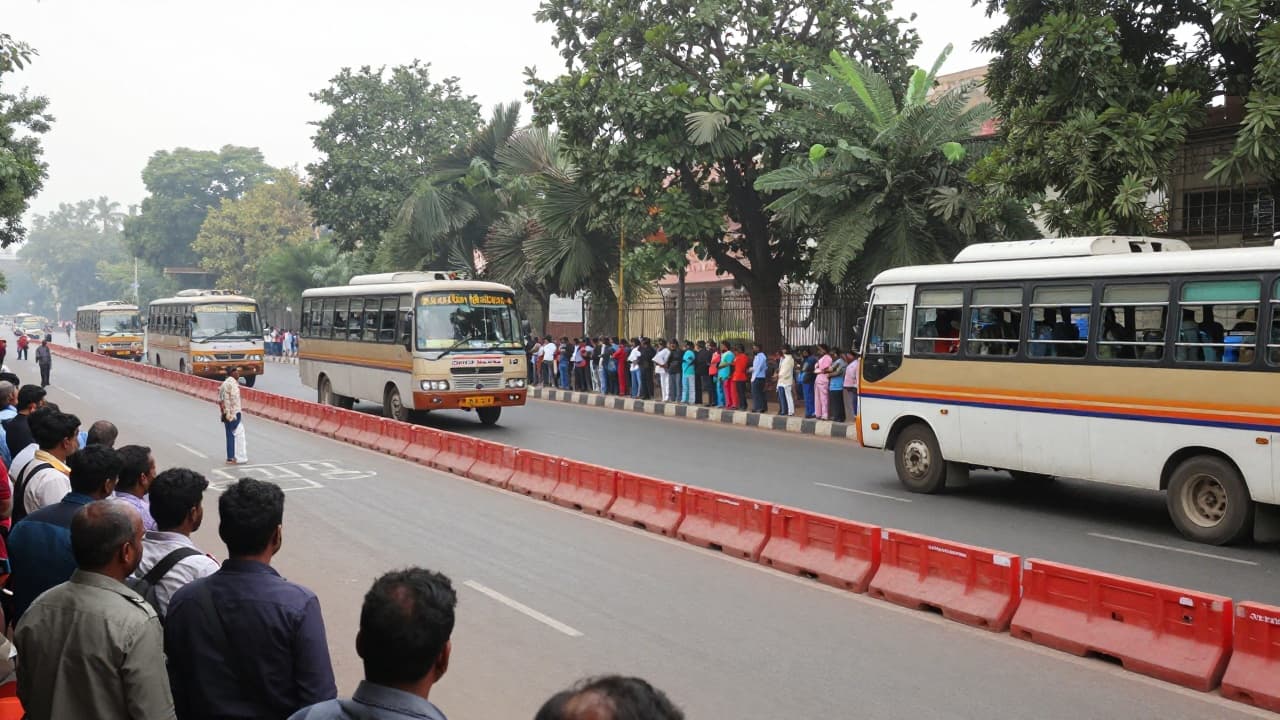
Jaswal recalls facing such pressure himself. In 1974, when he was district magistrate of Uttarkashi in undivided Uttar Pradesh, a senior minister contested elections for the state legislature. Jaswal says he had to refuse a number of the minister's requests because they were against the rules. The minister won the election and Jaswal says he soon received his 'marching orders' afterwards. When he left for his next posting, people stood in the summer heat for several kilometres along his route to say goodbye.
Jaswal says the relationship between politicians and civil servants is rarely straightforward. Many civil servants seeking desirable postings or relying on political support choose the path of least resistance, while resisting political pressure carries certain costs. Social media has also changed how quickly an official can become a public sensation. But behind every viral action lies a complex system in which individuals struggle between rules, pressures and personal consequences.