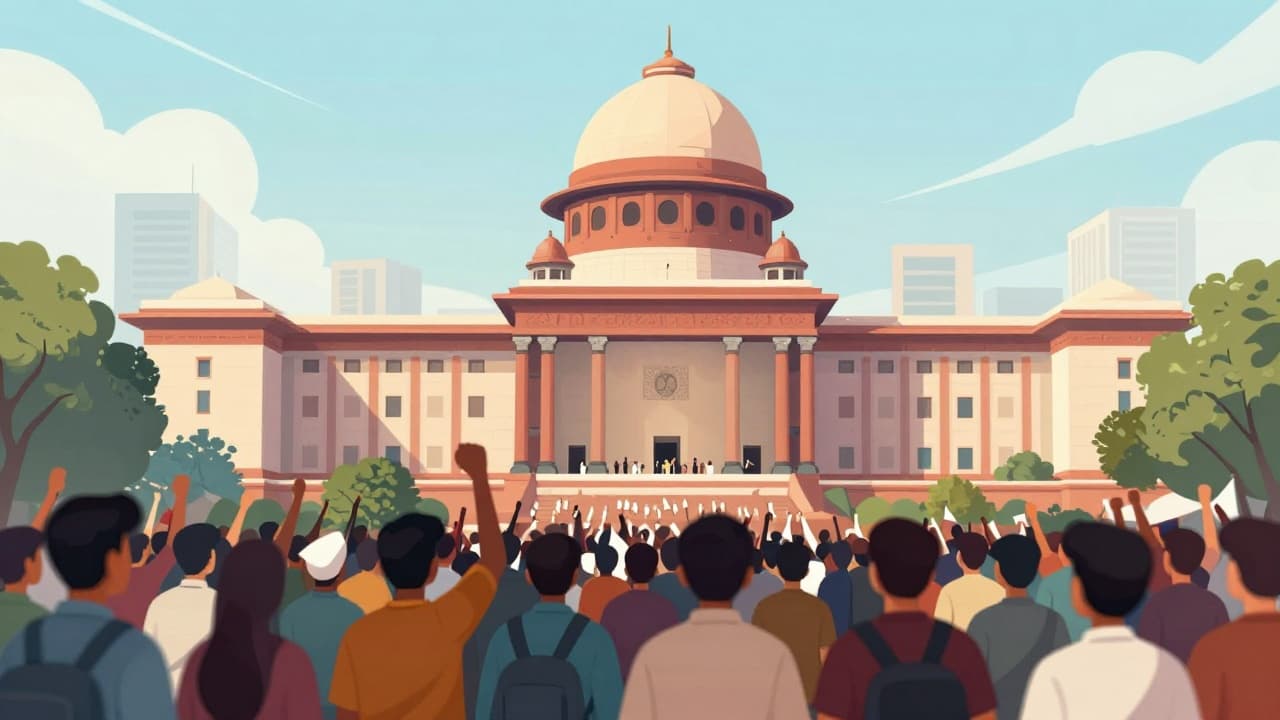
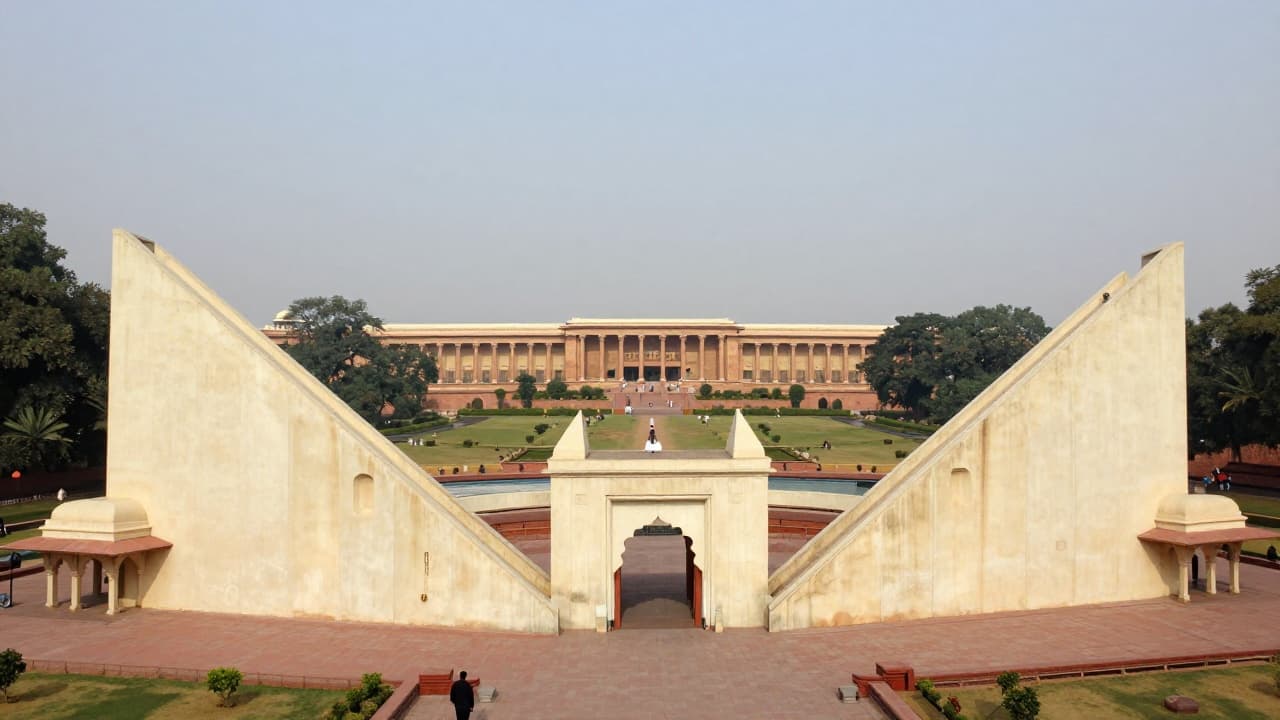
Delhi Police announced this week that Jantar Mantar, an 18th-century site in Delhi located near parliament, will no longer be designated as a protest location. The decision came months after the Cockroach Janta Party (CJP) led a mass protest at the site.
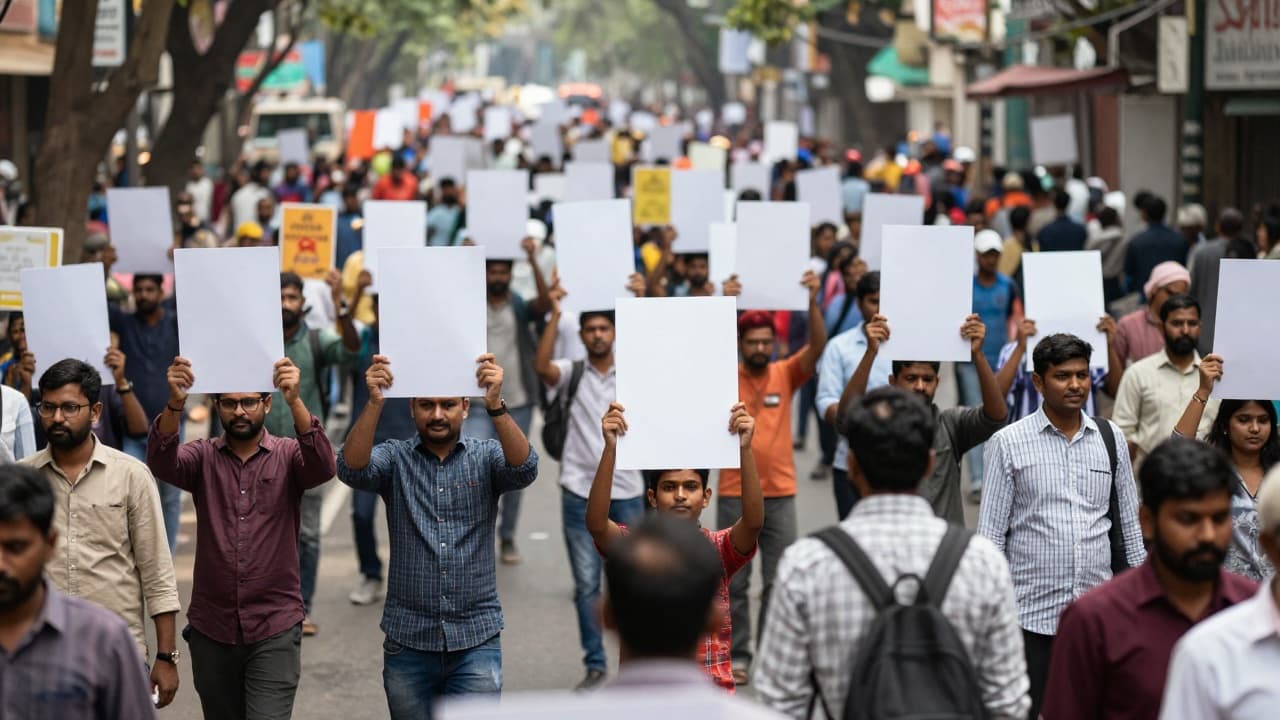
CJP is not a political party but a collective that began as a joke. The group demanded the resignation of federal education minister Dharmendra Pradhan, and tens of thousands of people turned up at the protest. Pradhan subsequently resigned, and police soon after erected barricades at Jantar Mantar.
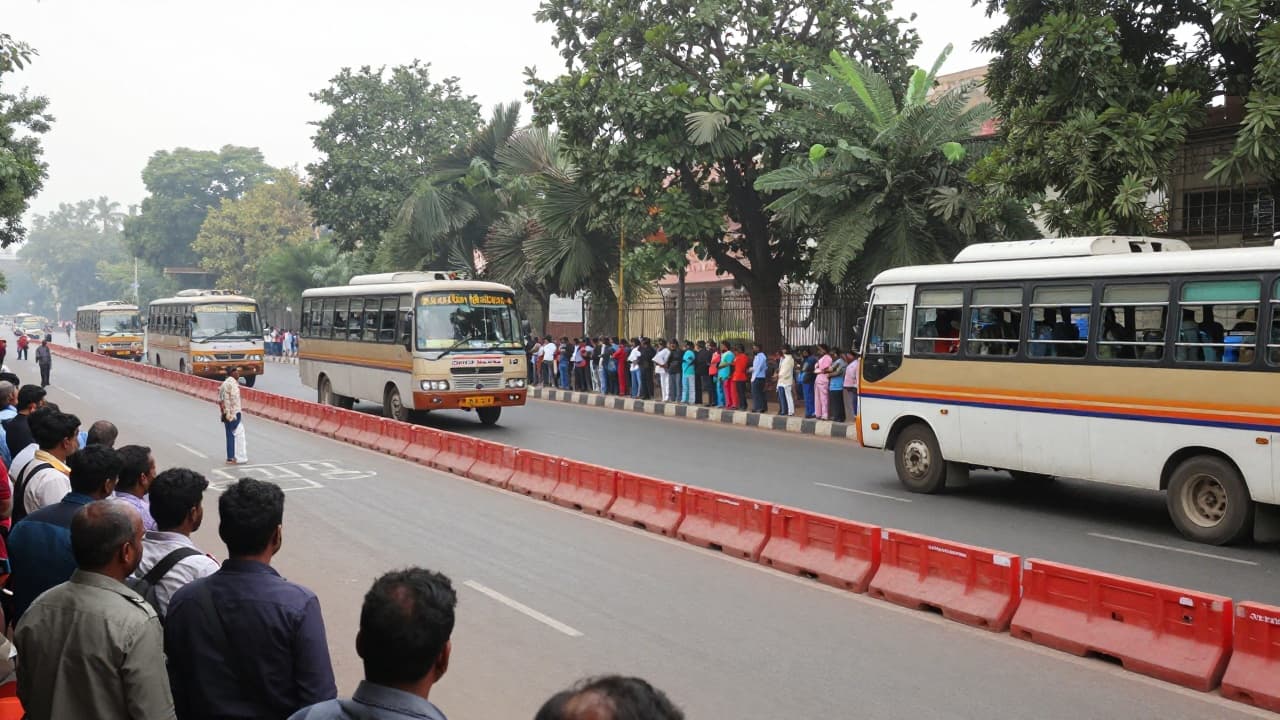
Last week, an attempt by CJP supporters to march to Jantar Mantar ended in a police crackdown. Supporters this time demanded the resignation of India's election commissioner. Protesters have now been directed to three other locations, two of which are far from parliament. The third location, Ramlila Ground, is often booked months in advance. Unlike Jantar Mantar, which is free, all three locations charge tens of thousands of rupees per day.
Delhi Police stated it acted after the Supreme Court suggested identifying alternative sites with adequate infrastructure. Critics argue the move could push protests out of reach of ordinary Indians.
Jantar Mantar was built by Maharaja Sawai Jai Singh II in the 1720s. It was once better known as a tourist attraction than as a protest site. The story of Jantar Mantar as a protest location began in 1993, when the then-congress government stopped allowing demonstrations on the Boat Club lawns opposite the old parliament. Historian Harleen Kaur tracked how successive governments from the 1960s onward introduced new rules that moved protest sites in Delhi progressively further from parliament. Jantar Mantar is located 3 km from the parliament building.
Rachna Dhingra, an activist with the Bhopal Group for Information and Action, camped at Jantar Mantar with hundreds of others for about five months in 2008. Dhingra sought government agreement to demands including the establishment of a commission to allocate funds for rehabilitation programmes. Dhingra and others chained themselves to barricades opposite the residence of then-prime minister Manmohan Singh during the summer. Dipa Sinha, an academic affiliated with the Right to Food campaign, witnessed the shaping of legislation on rural employment, the National Food Security Act, and the Forest Rights Act at Jantar Mantar.
In 2017, the National Green Tribunal cited a lack of infrastructure and complaints from local residents to have Jantar Mantar closed for protests. A year later, the Supreme Court overturned that decision, citing rights to free speech and peaceful assembly guaranteed by the constitution. Sinha notes that Jantar Mantar was close to institutions such as the Press Club and the Constitution Club, which facilitated media coverage.