Secretary of State Chris Bryant banned the Orange Order parade in Drumcree on Friday evening, stating it was not in the public interest for the Orangemen to march along the disputed route through Garvaghy Road in Portadown. The decision followed nearly two weeks of tension between members of the Order and residents of Garvaghy Road, who had opposed the procession's passage.
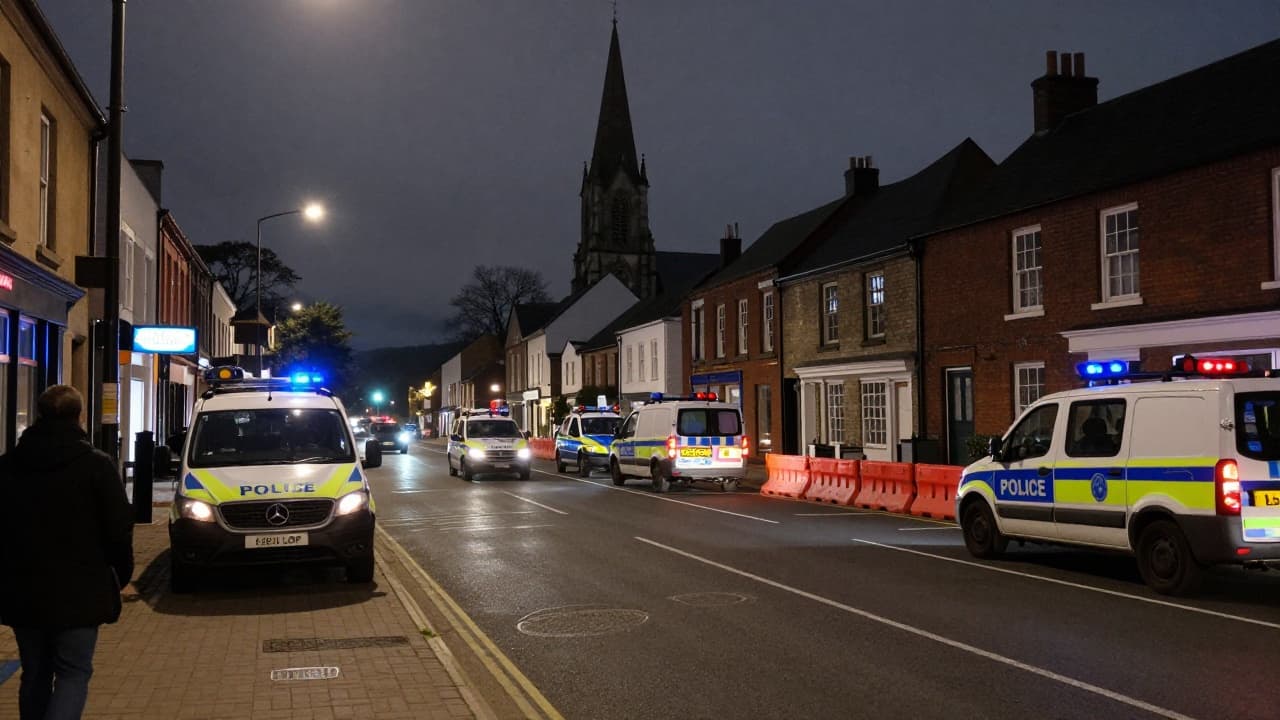
The Parades Commission had approved the march along Garvaghy Road two weeks ago under certain conditions, marking a reversal of 28 years of consecutive bans. However, the procession from the church in Drumcree to Portadown did not take place as protesters blocked the road, and police prevented the Orangemen from marching after thousands of residents and supporters, including Sinn Féin leaders, blocked the thoroughfare.
Bryant stated that he had attempted to mediate the dispute and had organised several rounds of talks at Hillsborough Castle last week. He explained that a local solution was not found and that the circumstances under which the initial decision was made had changed significantly. He also said the decision was not made lightly, adding that he had acted on the advice of Jon Boutcher, chief constable of the Police Service of Northern Ireland (PSNI), who warned that the parade carried an unacceptable risk of serious injury, disorder, and a wider contagion effect across Northern Ireland.
When asked if he was yielding to lawlessness, Bryant responded by praising members of the Order, thanking the Portadown lodge of the Orange Order for their peaceful and lawful approach and their cooperation with the police over the past two weeks. He expressed regret that neither side could reach a compromise and called for all protests, gatherings, and demonstrations to be suspended.
Sinn Féin leaders Mary Lou McDonald and Michelle O'Neill welcomed the decision, highlighting the immense relief on Garvaghy Road in Portadown and noting that residents had endured fear and anxiety. Breandán Mac Cionnaith from the Garvaghy Road Residents Coalition described it as the only reasonable and logical outcome. The Irish government also welcomed the decision and called on both sides to seek a common language, while Taoiseach Micheál Martin stated that this was not a time for triumphalism or claiming victory.
Democratic Unionist Party leader Gavin Robinson called on Bryant to explain what his government intends to do to restore confidence in the rule of law. He accused Boutcher and Bryant of yielding to republican agitation and threats of potential violence, characterising these decisions as a mistake. He also said the framework for parades and protests now lay in ruins and that the rule of law had been fundamentally undermined.
Chief Constable Boutcher earlier on Friday asked Bryant to reconsider the Parades Commission's decision made last month. Boutcher said the dispute had affected relations within and between communities and the police, and that it was in everyone's interest to create time and space for talks to find long-term solutions. The dispute sparked heated exchanges in the Stormont Assembly and destabilised the executive, with unionists demanding O'Neill's resignation as First Minister over alleged breaches of the law at the Garvaghy Road protest. On Friday, the PSNI sent a letter to Sinn Féin deputy leader investigating alleged criminal offences linked to her participation in the protest, and O'Neill said she would cooperate with the investigation.