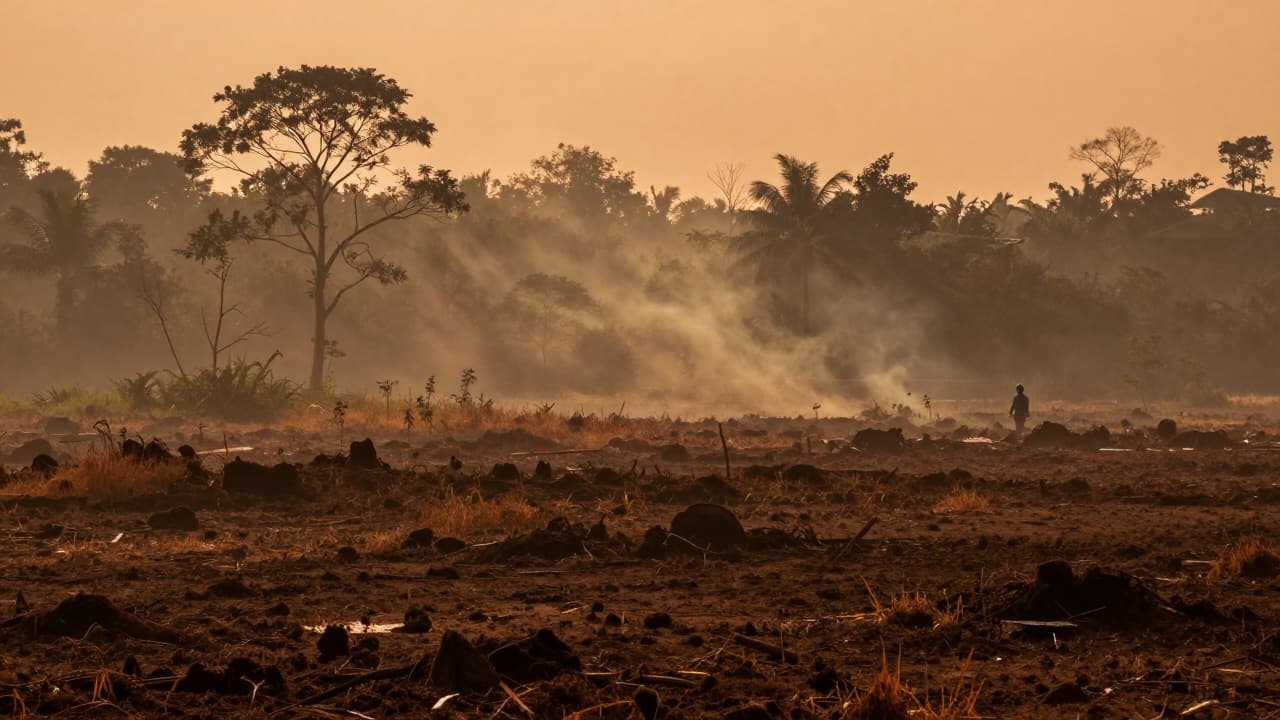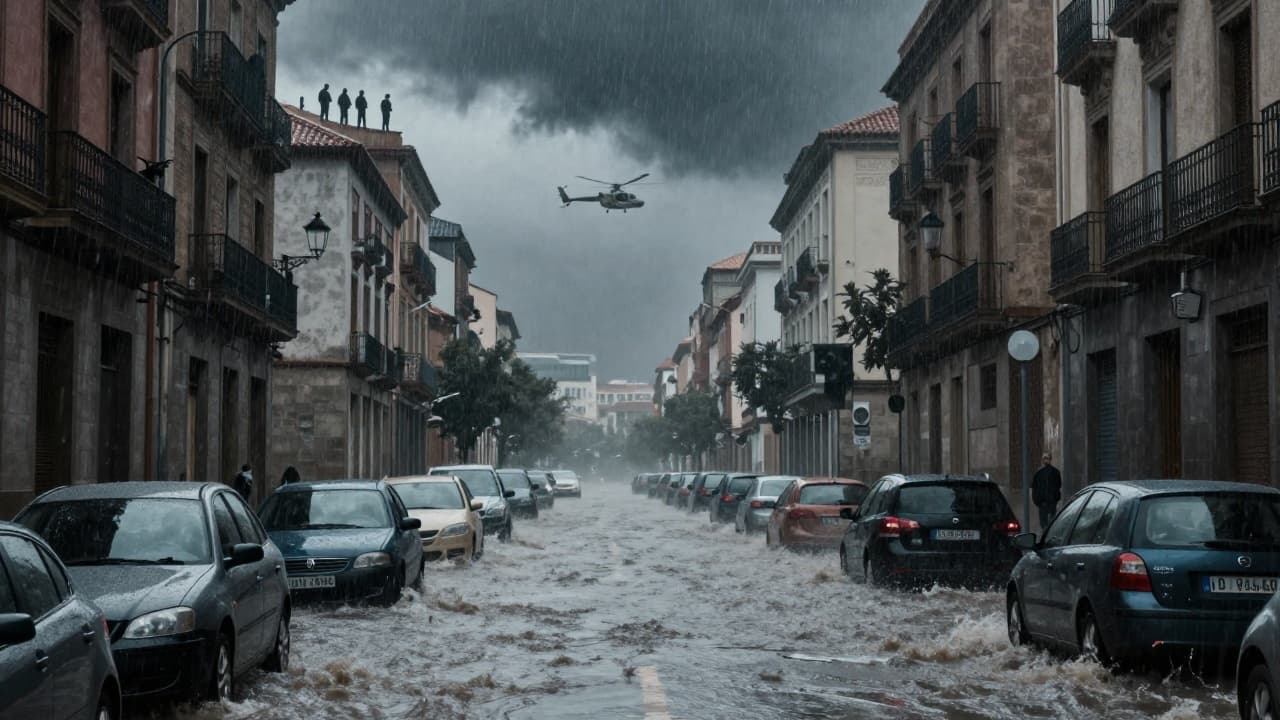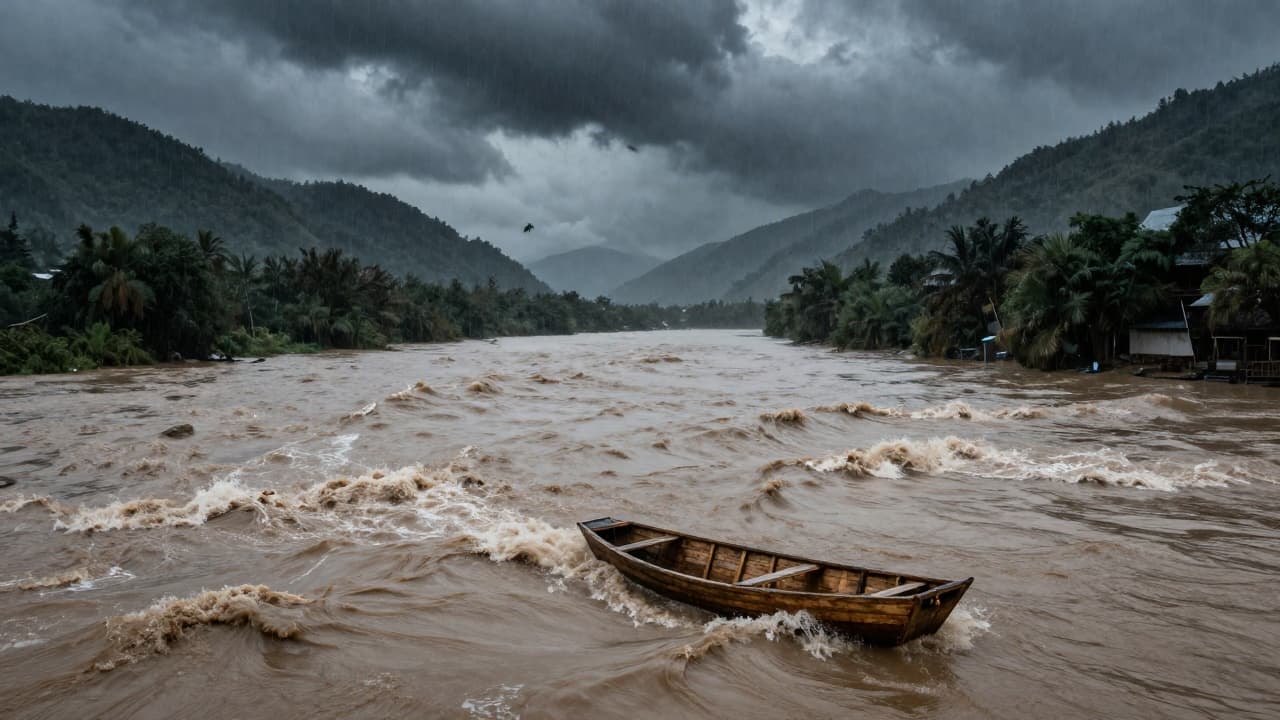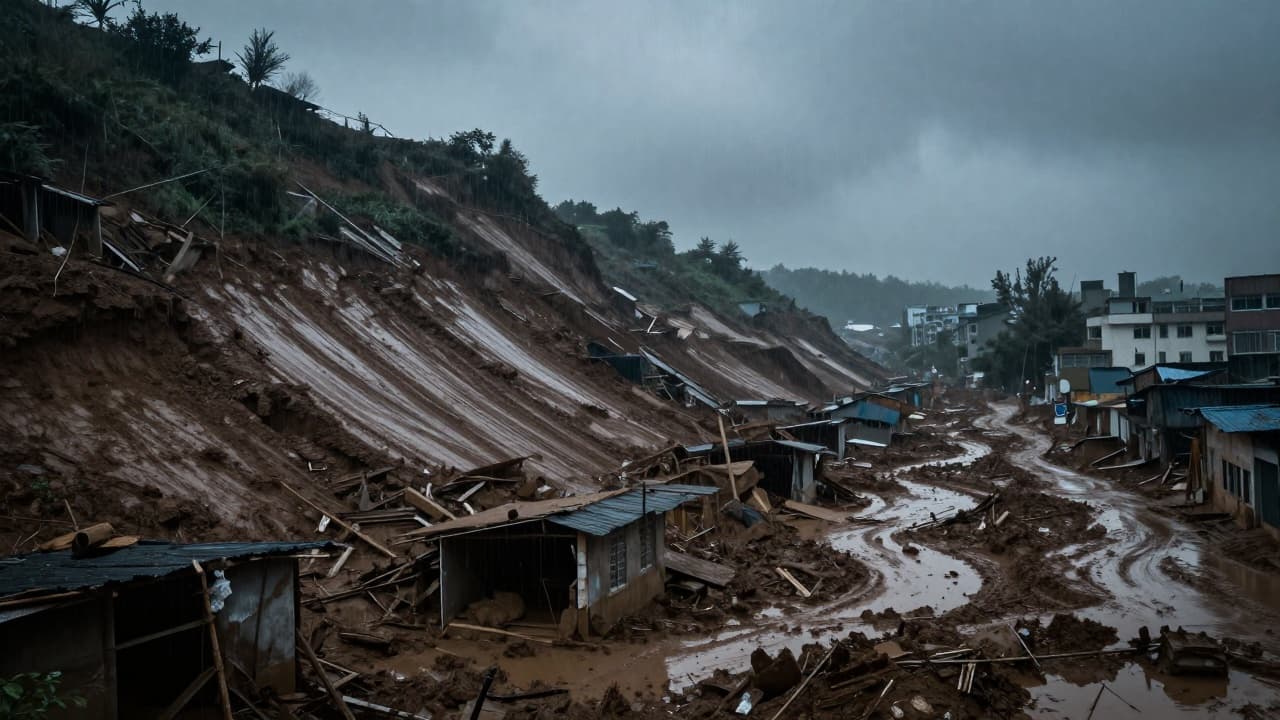
Kenyan authorities have accelerated work to clean rivers and drainage systems in Nairobi ahead of this year's El Niño, as forecasters warn of above-average rainfall. In the worst-case scenario for low-income settlements, it is estimated that up to 100,000 people are at risk.
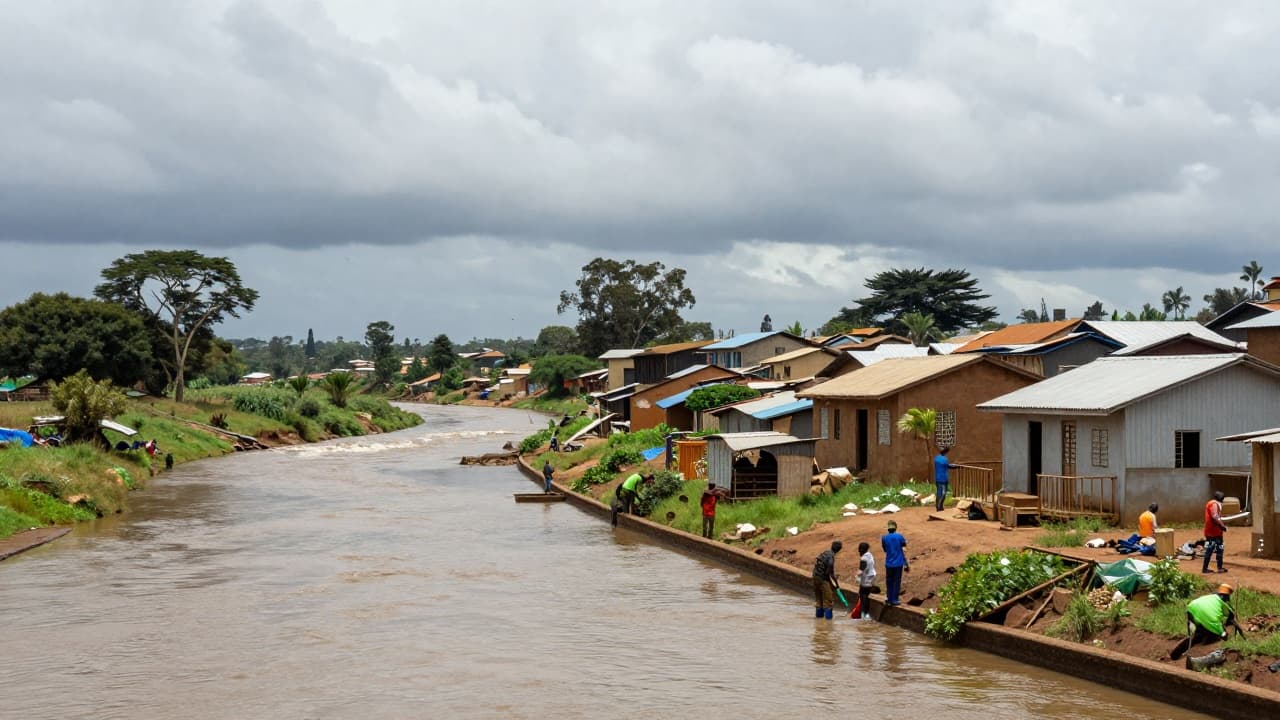
Agnes Shikoli, a 62-year-old resident of Kibera, one of Kenya's largest informal settlements, recalls how water flooded her house halfway up in March. Her home is located just a few metres from the Ngong River, which flows through Nairobi. Her sister, 58-year-old Beatrice Khalayi, died of electrocution after her house was flooded.
More than 60 people died in floods during the long rainy season earlier this year across Kenya. Blocked drains and inadequate sewage systems are widely considered to blame for the high death toll. Bramwell Simiyu, head of disaster management in Nairobi County, says the drainage systems have not been touched for many years. The existing system was developed 30 years ago for a population of around 2.5 million, but today it copes with around seven million people during the day and 5.5 million at night. Simiyu adds that a full upgrade of the sewage and drainage system requires an investment of up to $192 million, or £143 million.
River cleaning works have been intensified since August, as warnings about the potential scale of this year's El Niño increased. The Climate Worx programme, operating under the office of President William Ruto, is aimed at restoring Nairobi's rivers, while similar drainage cleaning works are underway across Nairobi. Nairobi is a city built on hilly terrain through which three main rivers flow.
Floods disproportionately affect informal settlements in Nairobi, particularly those near rivers, such as Kibera and Mathare. In most of these settlements, houses are located just a few metres from the rivers, and some people, including Shikoli, live on the riverbanks due to the constant expansion of the settlements. When flash floods occur, these houses are swept away, endangering the lives of their residents. Rising poverty has forced many people to live near the rivers.
The Nairobi River Basin Regeneration Programme, a government initiative focused on restoring urban rivers, has determined that settlements near rivers, where enforcement of regulations is weak, have increased the risk of flooding. The programme has recommended a 'buffer' to protect the rivers and 'humane relocation' of communities where necessary. Simiyu says the worst-case scenario for low-income settlements is that up to around 100,000 people are at risk, while moderate projections predict around 5,000 households, or about 20,000 people, are at risk. Anyone forced to leave their home will be moved to 167 designated reception sites, where food and essential supplies will be distributed.
Forecasters warn that this year's El Niño could be one of the strongest on record. In southern Kenya, El Niño means a threat of above-average rainfall. The Kenya Meteorological Department warns that November is usually the month with the highest rainfall in the short rainy season, which typically lasts from October to December. The regional forecast by the Intergovernmental Authority on Development (Igad) warned in September that there is an '81% probability of a very strong El Niño during October–December 2026.' The predicted heavy rains have not yet arrived.
In East Africa, this El Niño is widely compared with a similar weather event in 1997–1998, which caused widespread flooding and destruction in Somalia and Kenya. Meteorologist Jemima Gacheru says that the temperature conditions in the Indian Ocean during the 1997 El Niño and those recorded now are similar, and that this interaction has been shown to be the cause of very heavy rainfall. Gacheru says that a very strong El Niño is already present in the Pacific this season, and that there is a positive Indian Ocean Dipole, often referred to as the 'Indian Niño'. The International Organization for Migration (IOM) has warned that nearly 900,000 people could be affected.