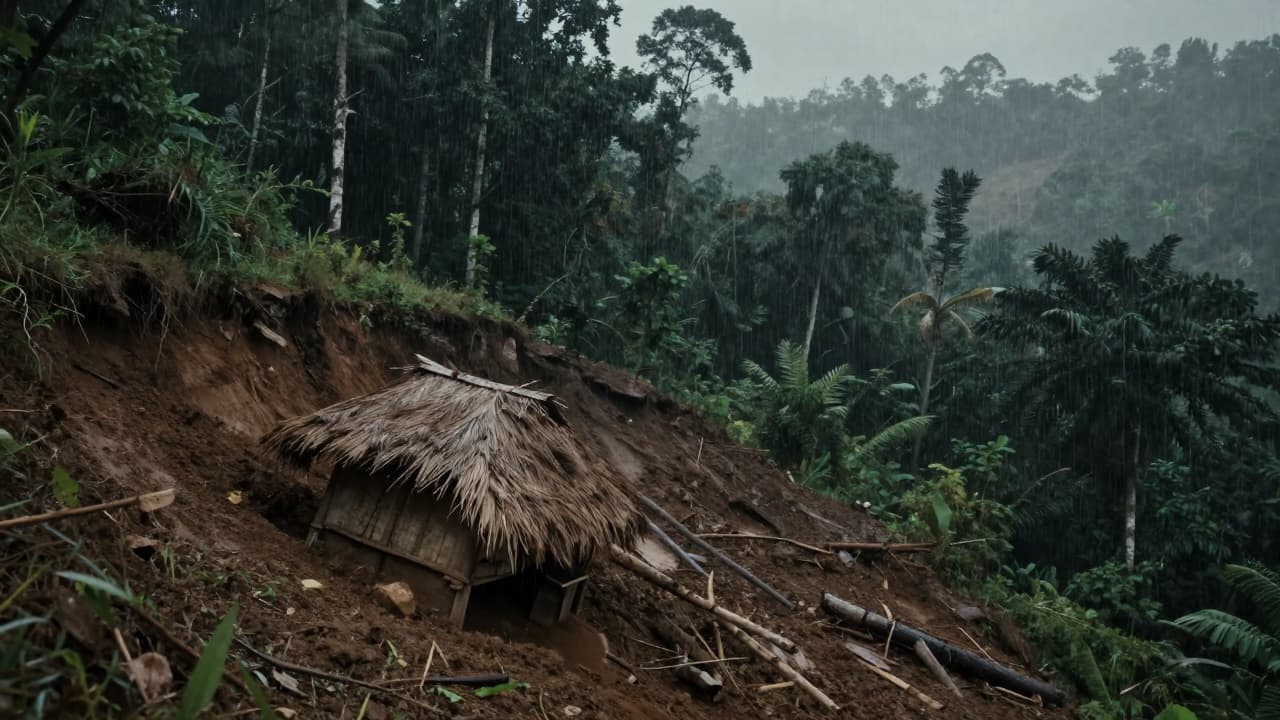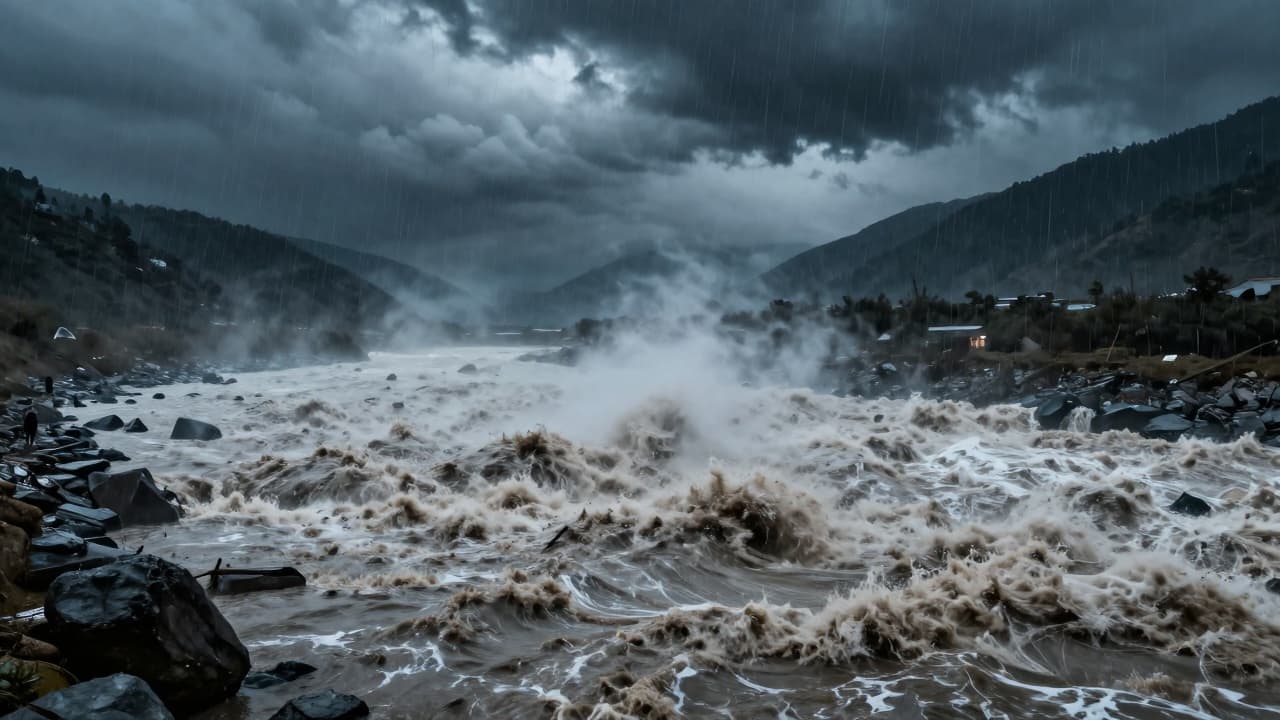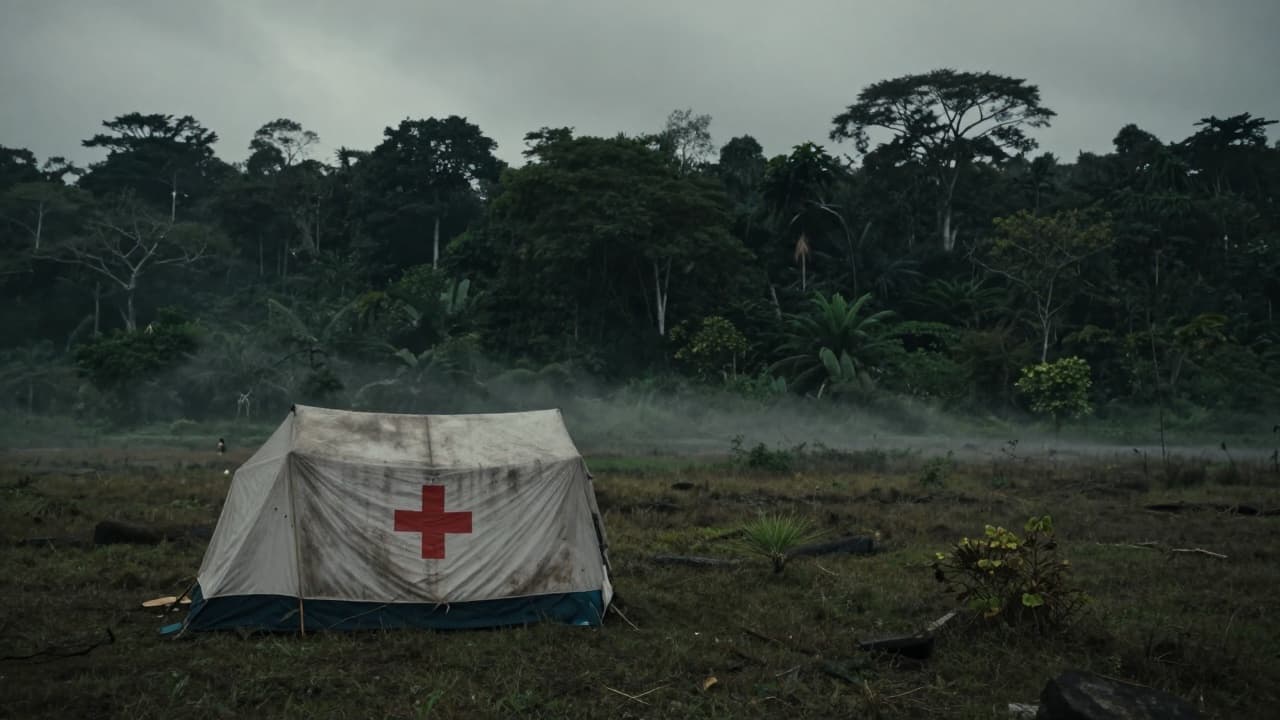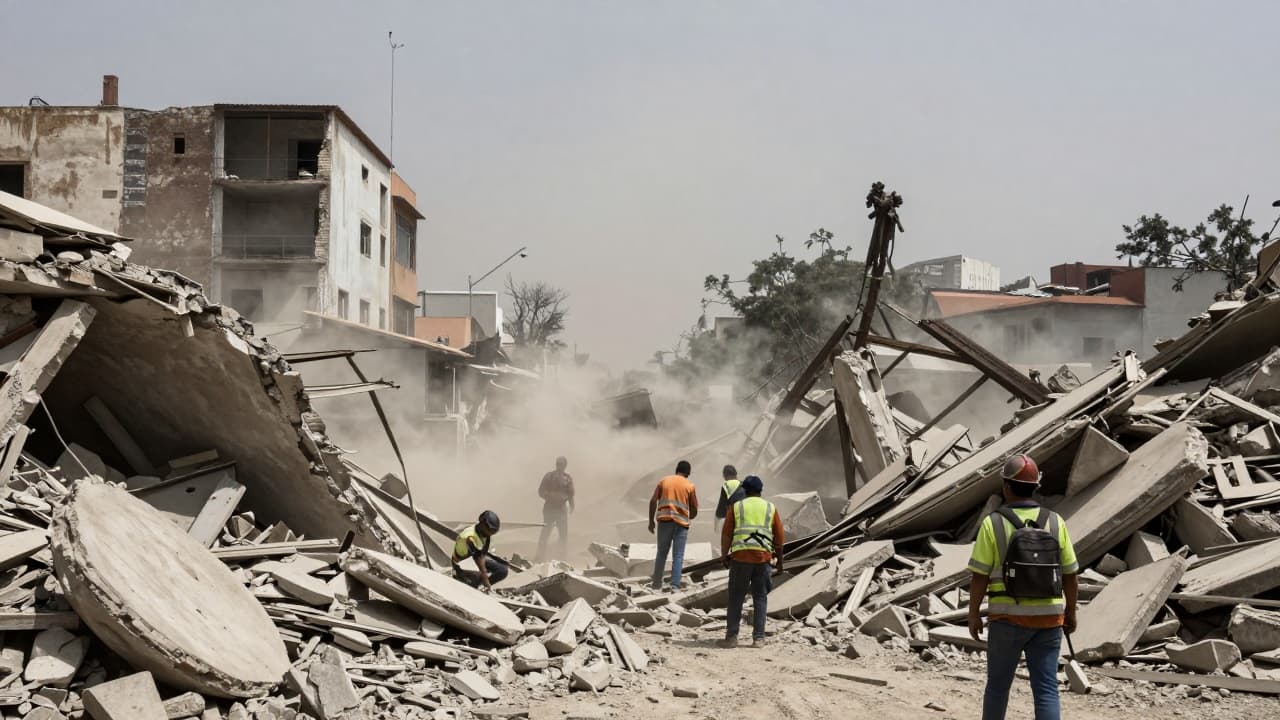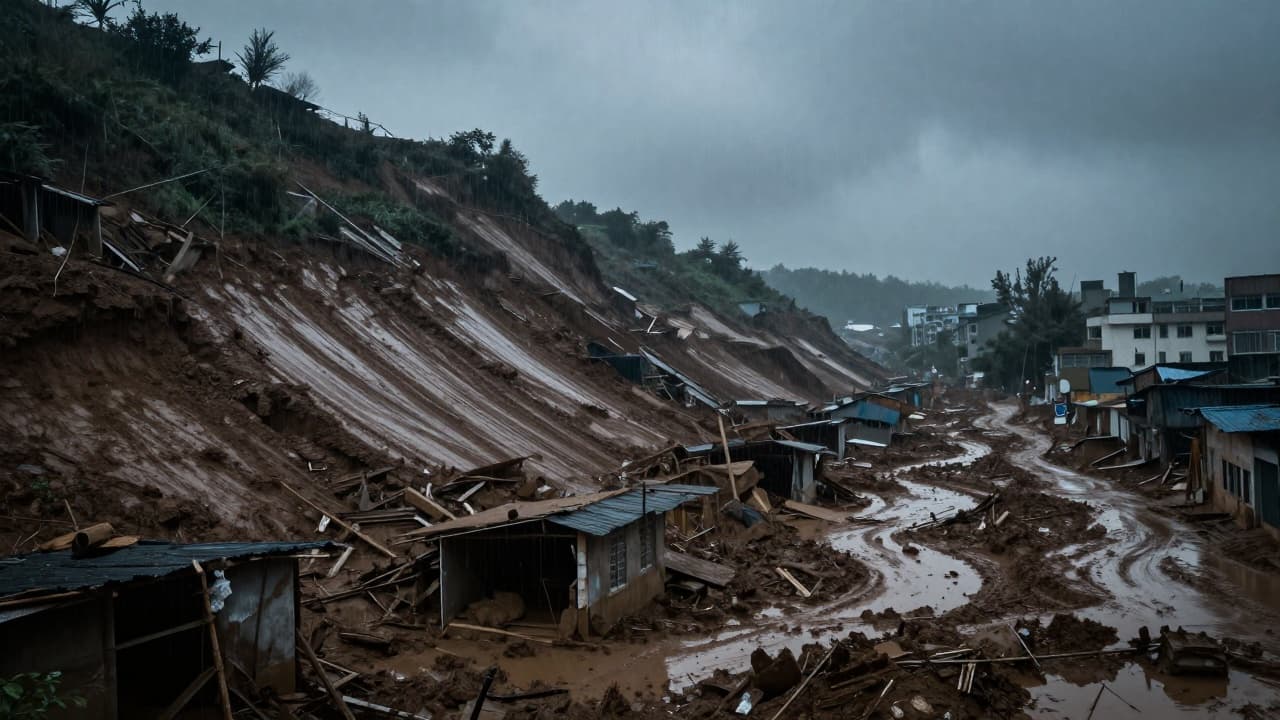
In the Guinean capital of Conakry, specifically in the Gbessia district, a tragic incident occurred following heavy rains. The landslide, which took place in the early hours of the morning, resulted in the deaths of 30 people, while six others suffered serious injuries and 16 were lightly injured. The force of nature covered nearby tents and informal settlements, and the scale of the landslide was so vast that it engulfed a residential building nearby.
Authorities reacted immediately, with the prime minister personally visiting the site of the accident to assess the extent of the damage and oversee rescue operations. The government has urged citizens to remain calm, show solidarity, and strictly adhere to the instructions of emergency services. As a direct response to the tragedy, the government has announced the closure of the hazardous area involved, a decision announced by the minister on Thursday, highlighting the need for greater safety in that part of the city.
This tragedy has further highlighted the vulnerability of infrastructure in a country facing numerous challenges, including poverty. According to available data, 3.7 million people in Guinea live on less than $4.20 a day, making them particularly vulnerable to natural disasters. Although Guinea is rich in natural resources, including the world's largest bauxite reserves and rich deposits of iron ore at Simandou, the infrastructure often cannot keep pace with these natural riches. The recently launched project in Simandou, while a step forward, does not offset the current lack of safety in residential buildings and infrastructure for all citizens.