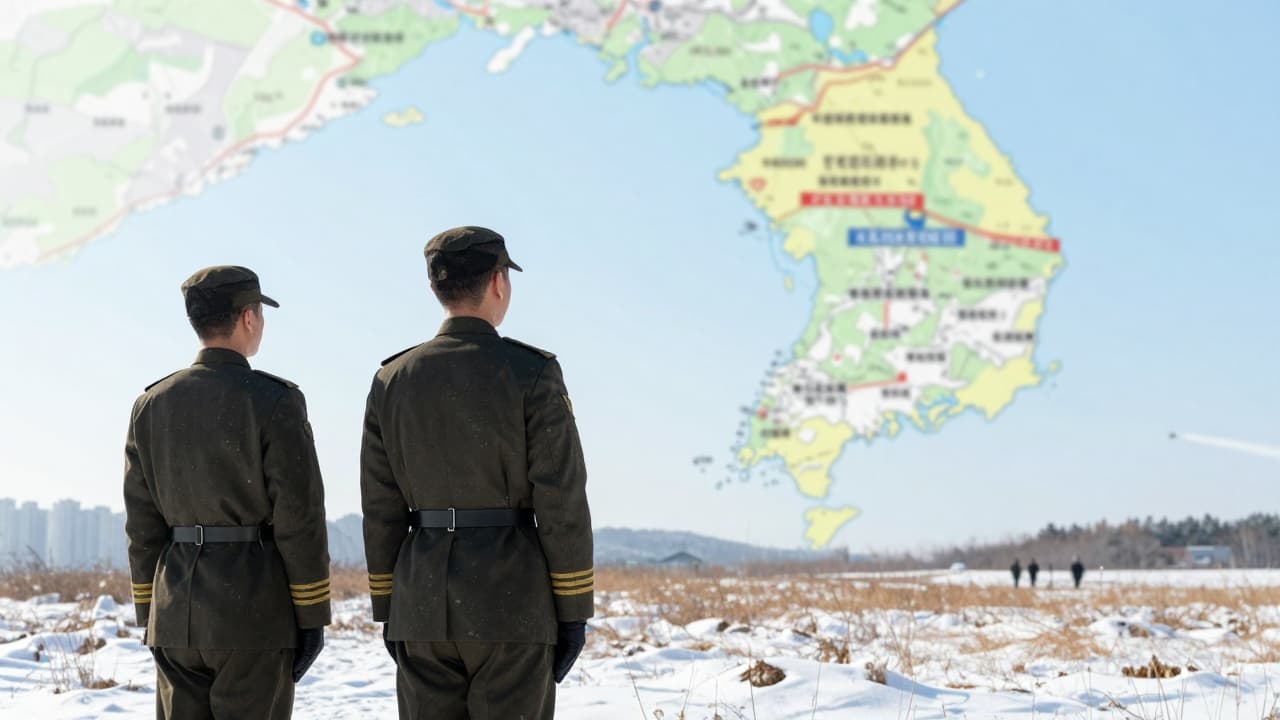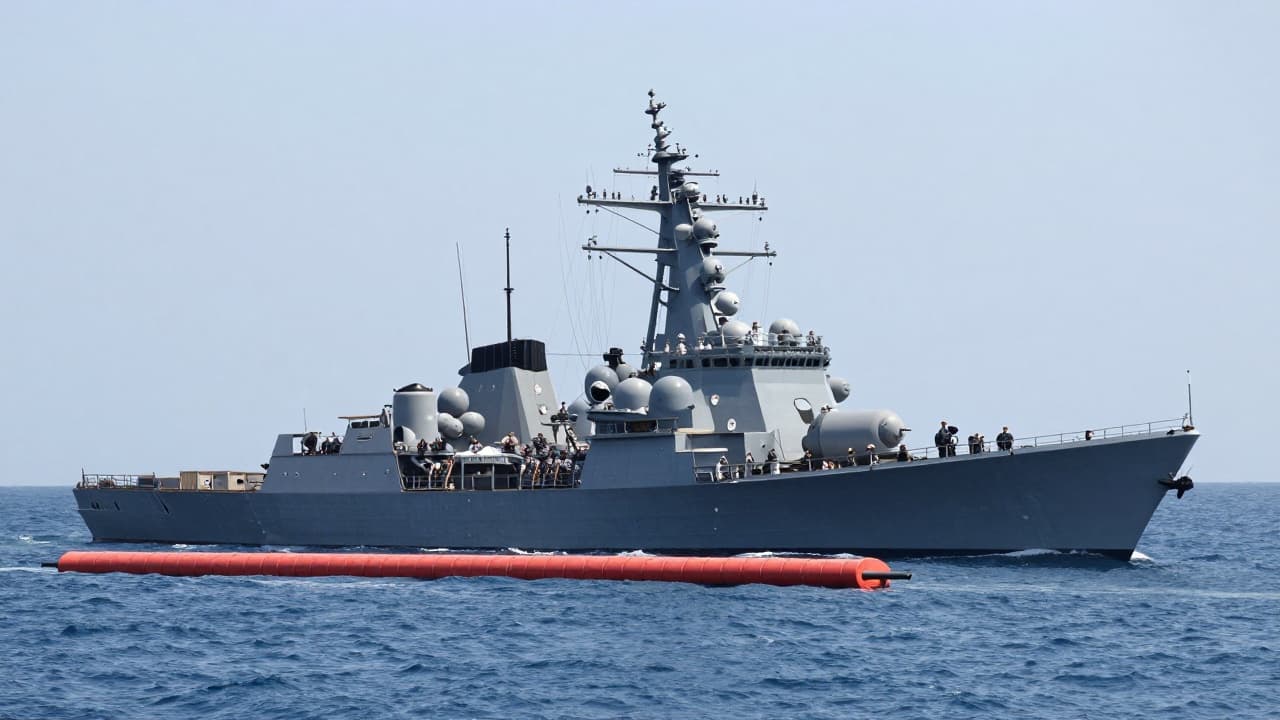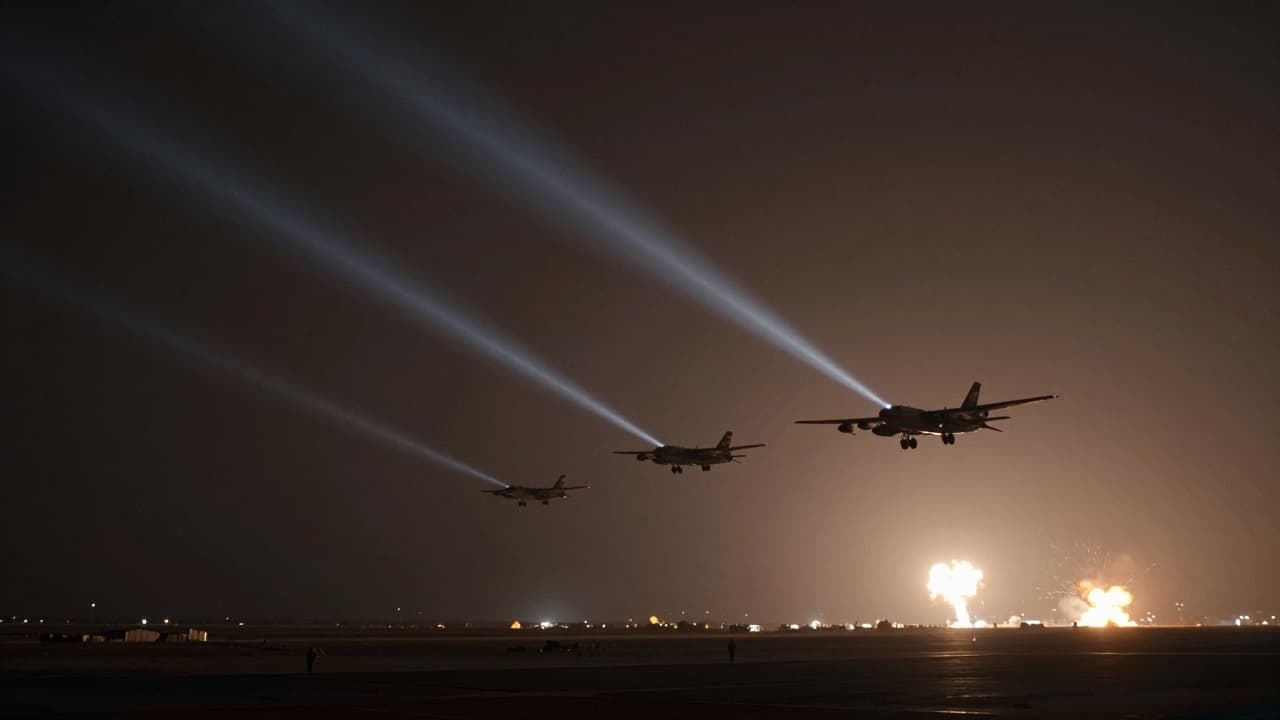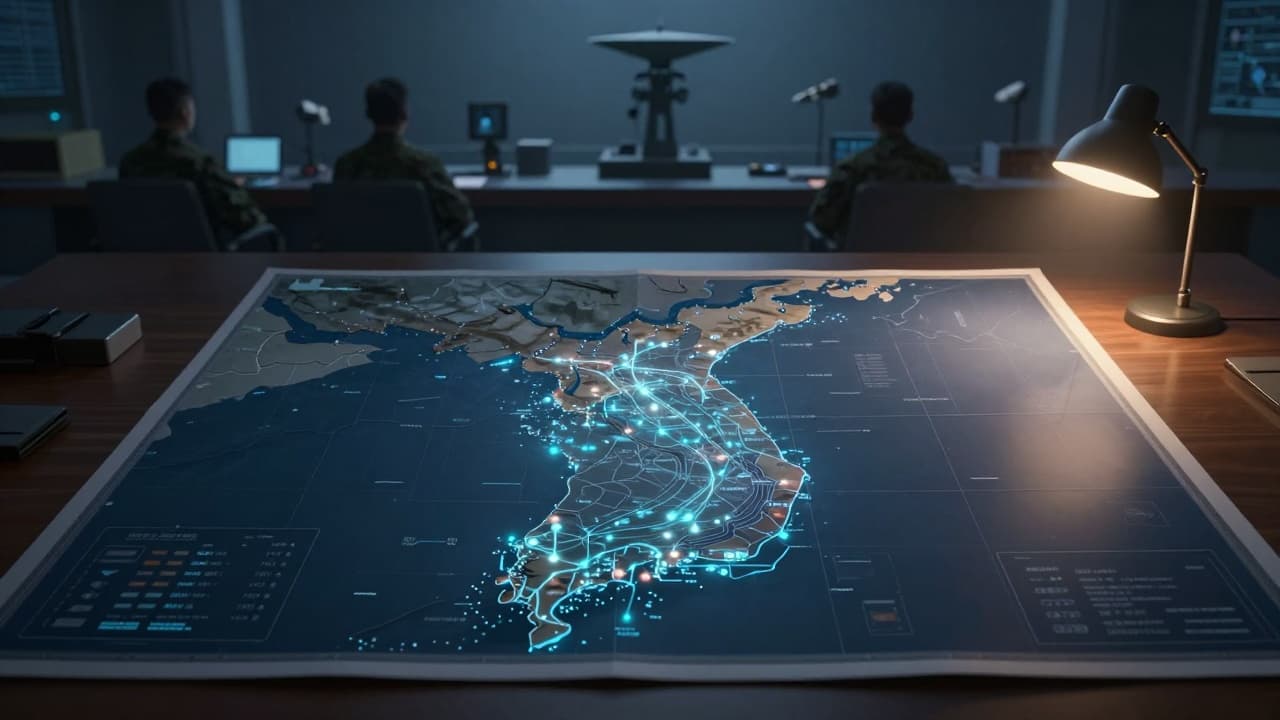
The United States has announced a reduction in the scope of joint military exercises with South Korea, marking a significant shift in the security approach in that part of Asia. This decision comes at a time when both countries have already begun preparations for the traditional annual drills, known as 'Ulchi' and 'Freedom Shield', creating a specific dynamic in the preparations for the planned military tests.
A key factor influencing this change is the fact that US President Donald Trump has good personal relations with North Korean leader Kim Jong Un. This diplomatic closeness likely plays a key role in the decision to reduce the scope of military exercises, as an attempt to de-escalate tensions on the Korean Peninsula. Trump publicly stated that it is 'too late' to completely cancel the planned exercises, given that preparations are already underway, but simultaneously announced a reduction in their scope.
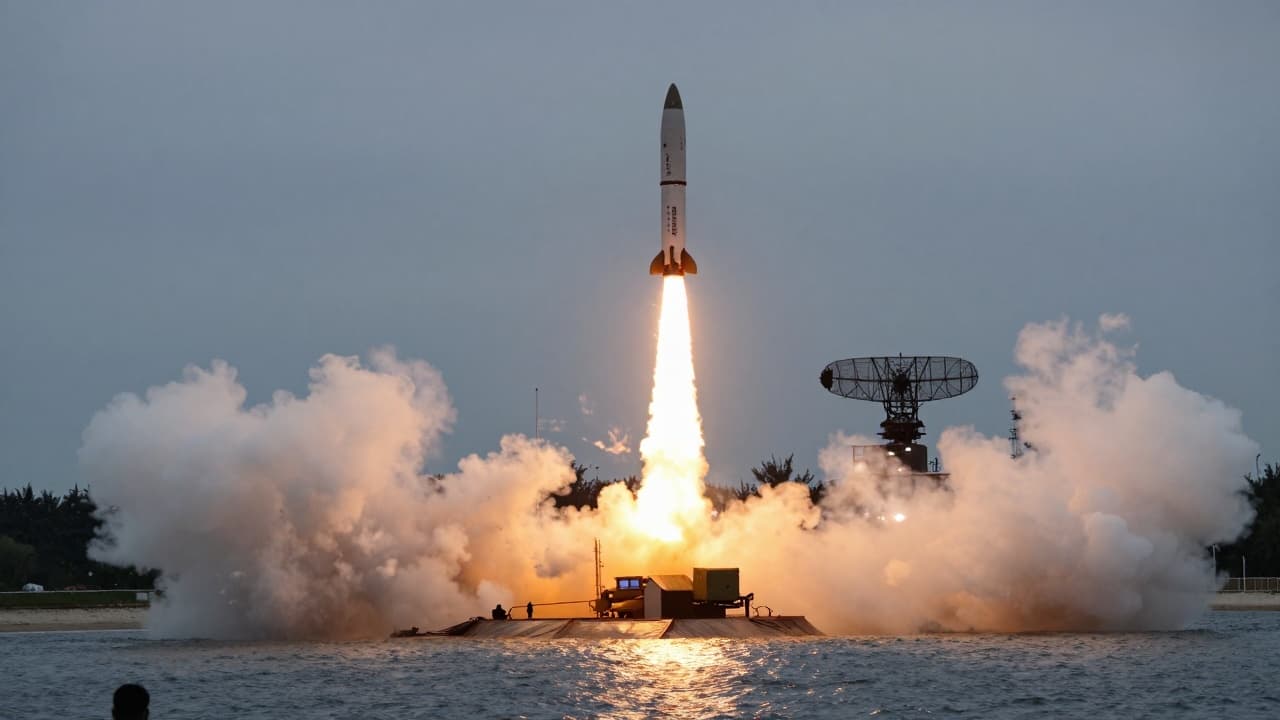
On the other hand, the situation in the region is further complicated by South Korea's stance. The South Korean government has refused to participate in the Iranian nuclear agreement, indicating its cautious approach to nuclear issues in the region. Meanwhile, North Korea continues to conduct ballistic missile tests, which are explicitly prohibited by United Nations resolutions, further worsening the security situation in the region.
Despite announcements of a reduced scope, military commanders from the US and South Korea held a joint press conference to clarify the details. They announced that the 11-day event, which encompasses the aforementioned exercises, will be organised in a manner similar to previous editions. Although a reduction in scope has been announced, the structure of the drill will retain characteristics similar to those in previous years, ensuring continuity in military cooperation between the two allies despite political changes.