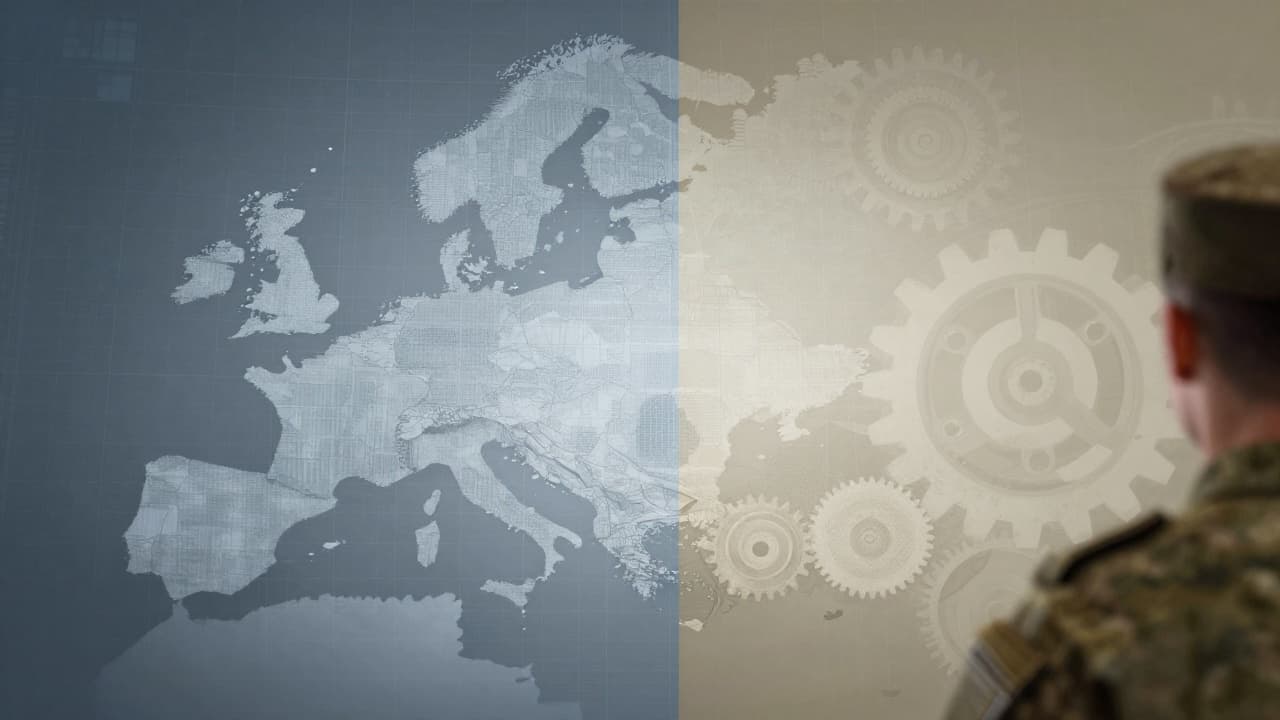
The South Korean Ministry of Defence has officially announced that joint military exercises with the United States will be shortened. This decision, made at the explicit request of the American side, reflects a change in the organisation of planned military drills, with emphasis placed on the initiative originating from Washington rather than from Seoul's administrative circles.
The key change concerns the reduction in the duration of exercises titled '2026 Ulchi Freedom Shield'. Under the new coordinated plans, the exercises will conclude on 21 August, which is six days earlier than the originally scheduled end date of 27 August. This adjustment to the timeframe is part of a broader adaptation that followed proposals from the American administration, aiming to achieve better alignment of the strategic objectives of both countries.
A critical detail of this change lies in how the decision was made. The South Korean foreign minister emphasised that neither South Korean nor American officials were aware in advance of Trump's plans to shorten the exercises. This detail highlights the surprise that ensued, underscoring that this is an unexpected development within already established diplomatic and military communication channels.
The reasons for such a decision are multifaceted. Trump stated that the exercises are expensive, given that they are funded by the US, and that the current format sends signals that are unacceptable and undesirable. In addition to financial aspects, it is important to note that Trump mentioned he had spoken with North Korean leader Kim Jong Un about a potential meeting, which he announced in his statement. Although he emphasised that this is only part of his plans, this fact further complicates the geopolitical landscape of the region.
Alongside changes to the timeframe, changes to the scope have also been announced. The combined portion of the exercises will be reduced, with specific details still under discussion. This change in the scope of the exercises further highlights the need to adapt the strategic objectives of both countries, with emphasis on the importance of mutual understanding and cooperation in future military drills.