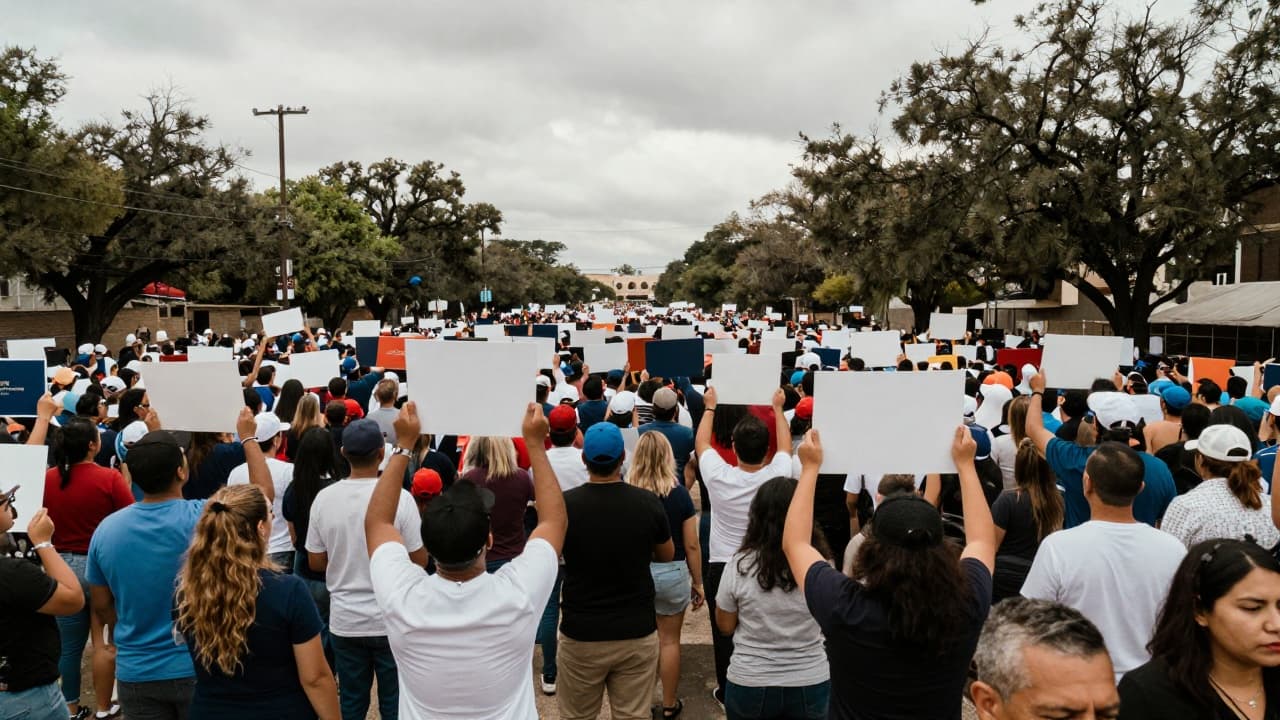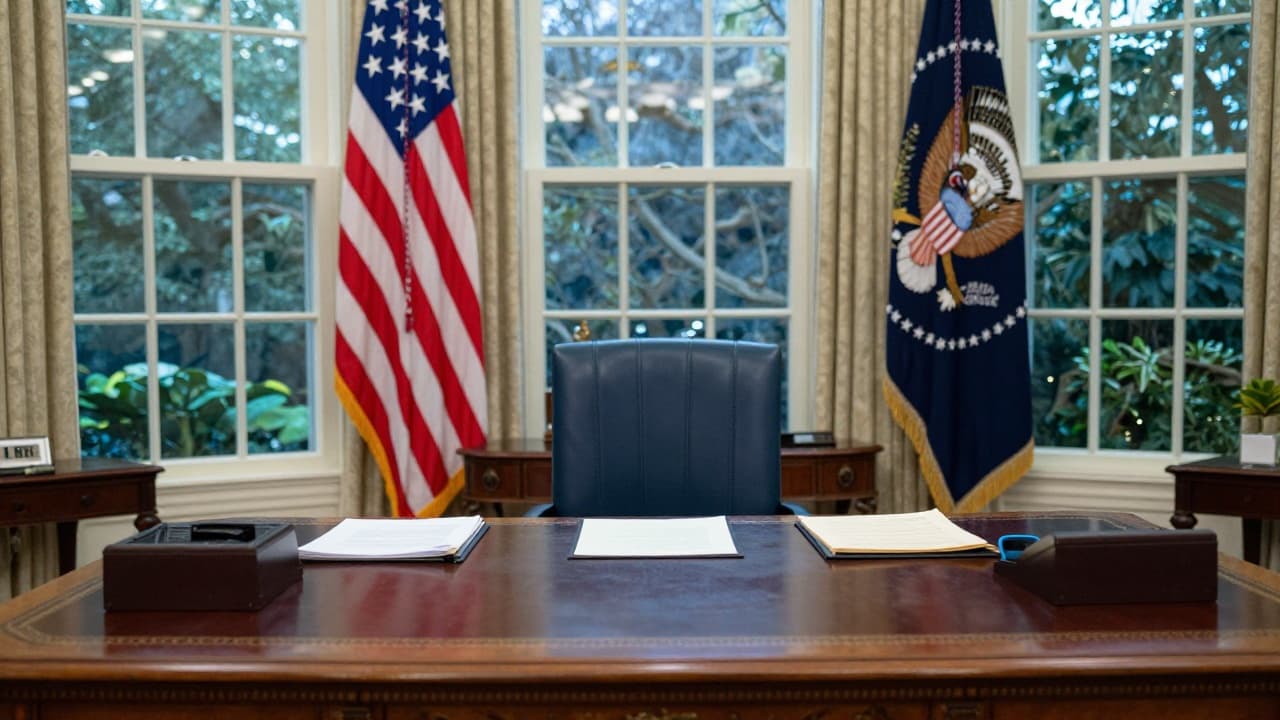
Donald Trump, the Republican presidential candidate, has set out during electioneering that every adult citizen of the US will receive a payment of $5,000. This statement, made by Trump at his party's convention, marks the first time such a promise has been made in the context of his current term and campaign. Trump stressed that the money allocated for this purpose must be spent within the United States, highlighting domestic economic stimulus as a key element of his proposal.
The plan, which Trump estimates at $1.3 trillion, has sparked significant debate over its feasibility and constitutionality. Although the initial estimate of the cost was higher, the final estimate is $1.3 trillion, which still represents a huge sum. This financial commitment raises questions about the sustainability of such a move in the current economic environment, given that the payment would cover all adult citizens, the number of whom in the US is estimated at 270 million.
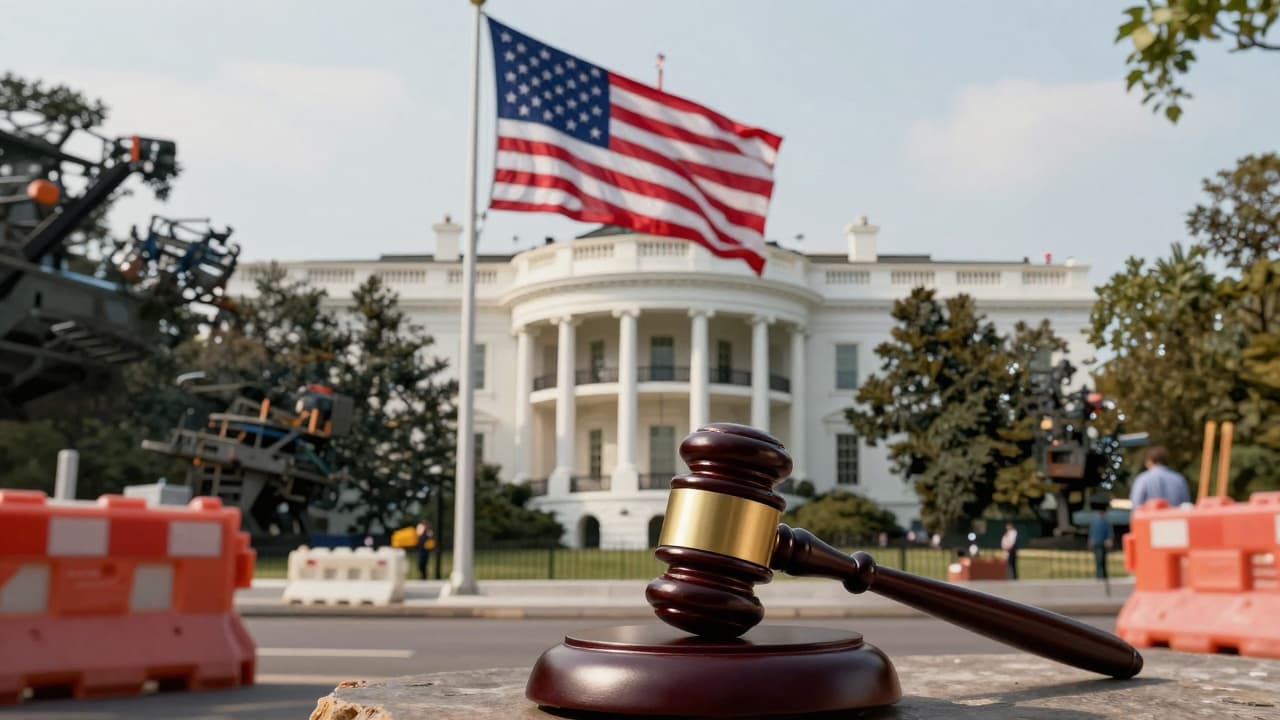
Government institutions and experts have expressed concern regarding the legality of such measures. There are legal provisions that prohibit the use of public funds to influence the outcome of elections, casting doubt on the legality of such promises. Although the payment could be feasible due to money raised through Trump's tariff program, this does not resolve the question of the constitutionality of such a practice. Some analysts, such as Robert Moran, argue that such statements should be taken in the context of election campaigning, rather than as binding political commitments.
The vice-president of the party, JD Vance, defended such an approach, claiming that it is a dividend paid to citizens. However, critics argue that such statements may constitute political manipulation, especially given that they are direct financial promises that could influence the outcome of the election. This debate highlights the complexity of the democratic process and the need for responsible political action.
Ultimately, Trump's statement on the payment of $5,000 to all adults remains a symbol of his campaign, but also a challenge to American electoral law. Although the plan is financially feasible, its implementation remains in question, particularly in light of the legal and ethical implications of such a move. This debate highlights the complexity of the democratic process and the need for responsible political action.