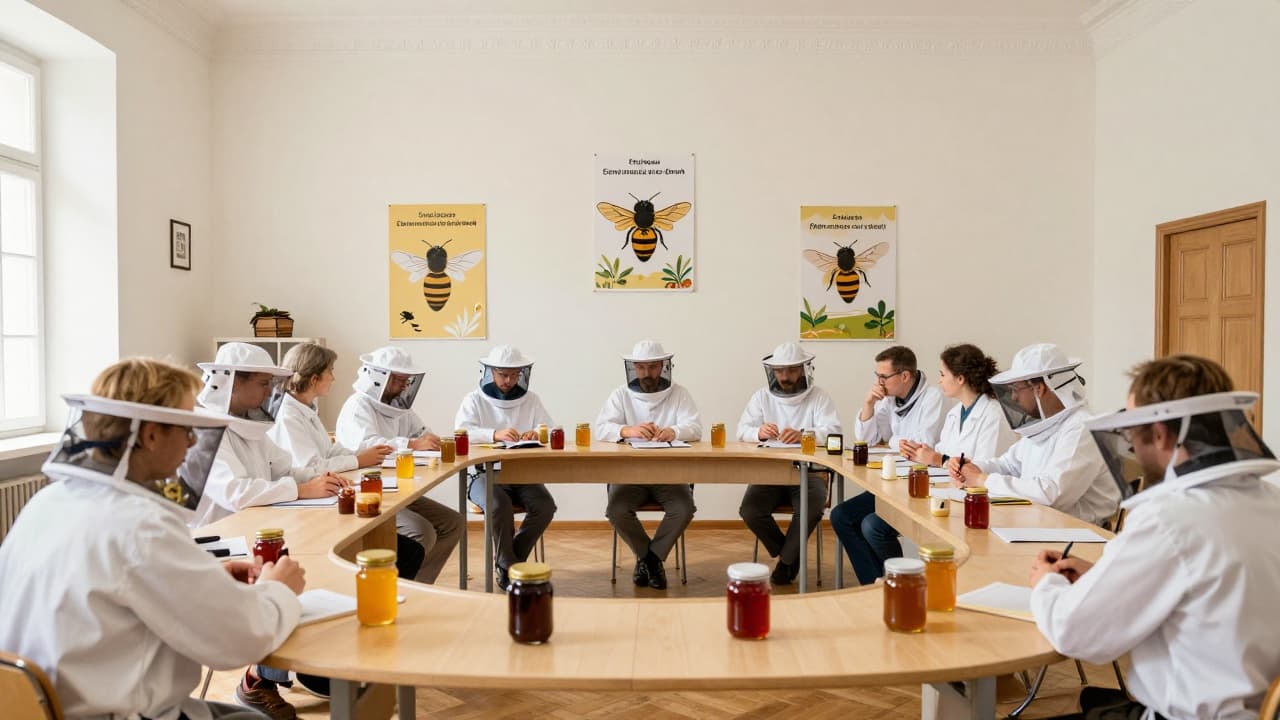
As part of the 11th Labinština Honey Day, 'Ripenda 2026', a round table was held where it was concluded that Croatian honey must not be sold as a cheaper product, but as a product of known origin, verifiable quality, tradition, knowledge and added value. Participants warned that Croatian beekeeping is currently facing a serious market challenge.
Domestic beekeepers invest significant effort, knowledge and financial resources into honey production, yet they simultaneously encounter imported honey on the market whose selling price is often lower than the real production cost of domestic honey. Dr sc. Gordana Hegić stated that the problem lies not only in price, but also in the underdeveloped promotion of Croatian honey, insufficient recognisability of domestic producers, lack of communication with consumers and damaged trust in the honey category due to frequent information about adulteration.
Hegić emphasised that the approach needs to change – instead of trying to compete with the cheapest honey on the market, its market recognisability should be developed and consumers clearly explained why it is worth more. She highlighted that Croatia has an exceptionally rich beekeeping tradition, diversity of plant nectar sources and specificities of certain geographical areas.
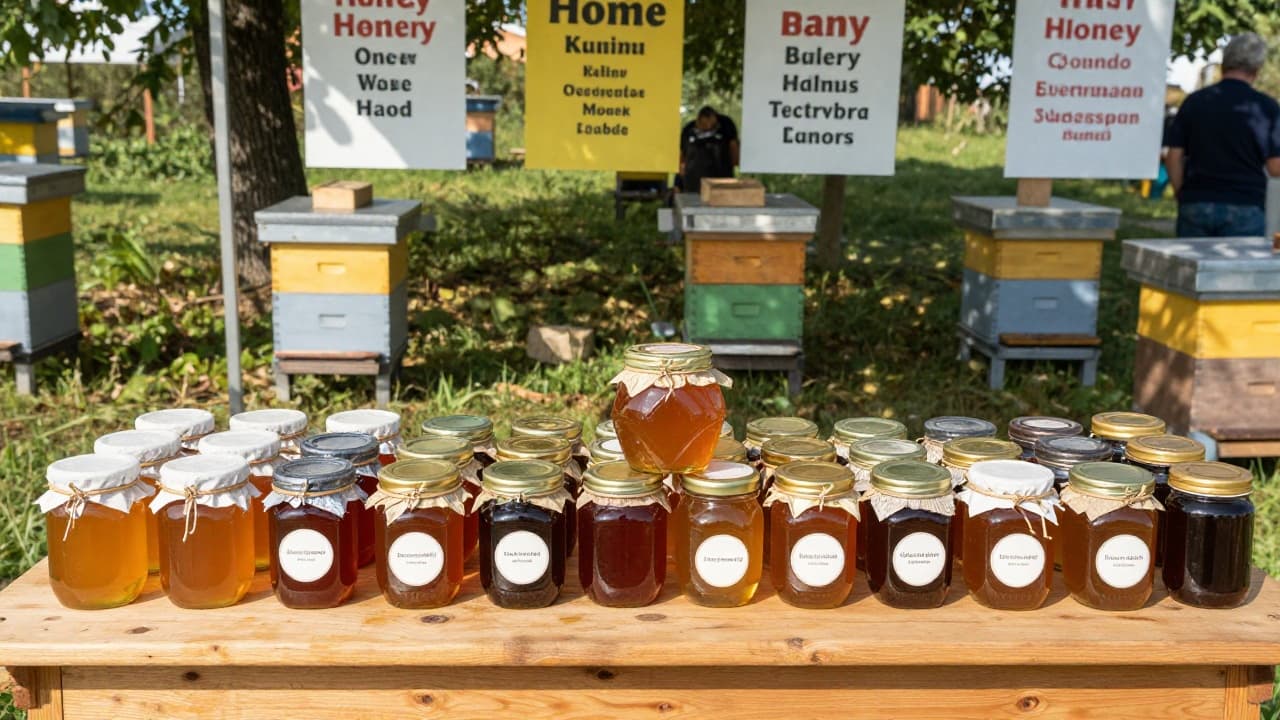
According to the conclusions of the round table, Croatian honey should be systematically promoted as a product of known geographical and producer origin, highlighting the diversity of types – acacia, linden, chestnut, sage, heather, flower honey, honey locust and others – and linking it to the area where it was produced, local tradition, natural wealth and the beekeeper behind the product. A common national identity for Croatian honey needs to be developed, while preserving the identity of individual producers, so that consumers know not only what they are buying, but also who produced it, where it was produced and what makes it special.
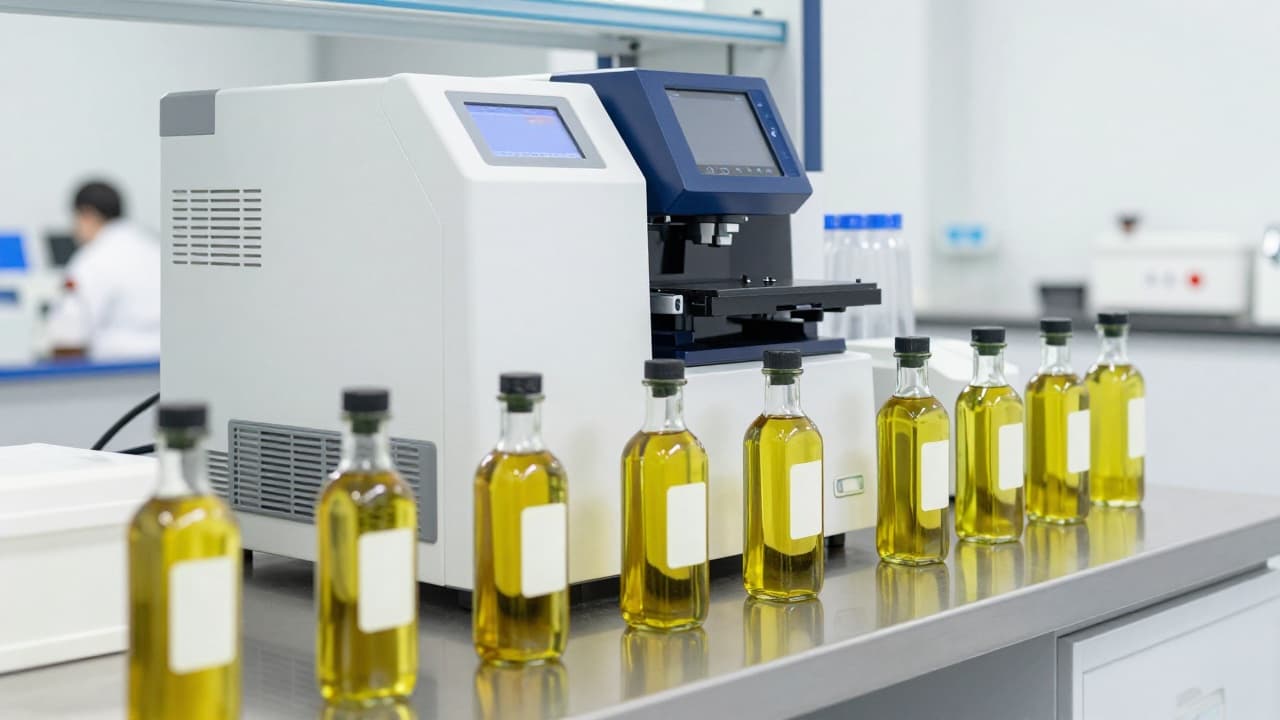
It is desirable that every producer can present laboratory analyses of their product to customers, and beekeepers need to be educated on how to correctly present and promote their honey and communicate its value. Special attention should be paid to education on correct and legally compliant labelling of honey, highlighting origin, type and specificities, creating quality packaging and visual identity, communication with customers and product presentation, use of social media, online sales and other digital channels, and creating a recognisable personal brand for beekeepers. The beekeeper needs to become an ambassador for their own product.
It was also highlighted that promotion must be positive and informative – instead of emphasising that some other honey is bad or adulterated, it should be explained why domestic honey is valuable, how it is made and what the buyer gets by purchasing it. The legal framework should be used as a means of trust and market advantage, and the presentation of domestic honey must be in accordance with regulations. Legal obligations should not be viewed only as an administrative burden, but also as a tool for protecting producers and consumers, with the new Croatian Regulation on Honey, which adopted amendments to European honey rules, being particularly important.
It was recommended that practical workshops for beekeepers be organised on labelling, traceability, packaging and permitted marketing claims. The Croatian Beekeepers' Association, as the umbrella organisation for Croatian beekeeping, has not at any point initiated such an initiative, while the Croatian Apitherapy Society would gladly take on that role if it receives support from the Ministry of Agriculture for the implementation of a project that would enable the creation of a guide on the aforementioned topics, Dr Hegić announced.
Hegić added that it would be expected for the Ministry of Agriculture, following the Slovenian model, to determine a realistic production and selling price for honey each year depending on the quantities produced, the type of honey and its health safety and quality. Not all plant species have even remotely equal amounts of nectar, and some parts of Croatia have lower honey production per beehive, for example 30 to 40 kilograms, which applies to the Mediterranean part. Other parts, such as Zagorje and Slavonia, have production of 50 and even more than 100 kilograms per beehive, depending on whether the beekeeper is migratory, the climatic conditions, the strength of the beehive, the source of nectar and other factors. Therefore, the prices of certain types of honey cannot possibly be the same.
Honey control must be more frequent, transparent and effective, which is one of the most important issues for the future of Croatian beekeeping. Consumers cannot determine for themselves whether honey is adulterated because appearance, colour, density, crystallisation and taste are not reliable indicators of authenticity, so the responsibility for effective control lies with the competent institutions.
Participants highlighted that Croatian beekeeping has significant economic, food, ecological and social importance and that additional activities need to be undertaken to protect domestic honey production, strengthen the market competitiveness of Croatian beekeepers and restore consumer trust. In this regard, a new joint national marketing campaign needs to be launched to promote Croatian honey, its origin, quality, diversity and the value of domestic production, as well as to ensure continuous education on market entry, marketing, branding, labelling, legal obligations and modern sales channels.