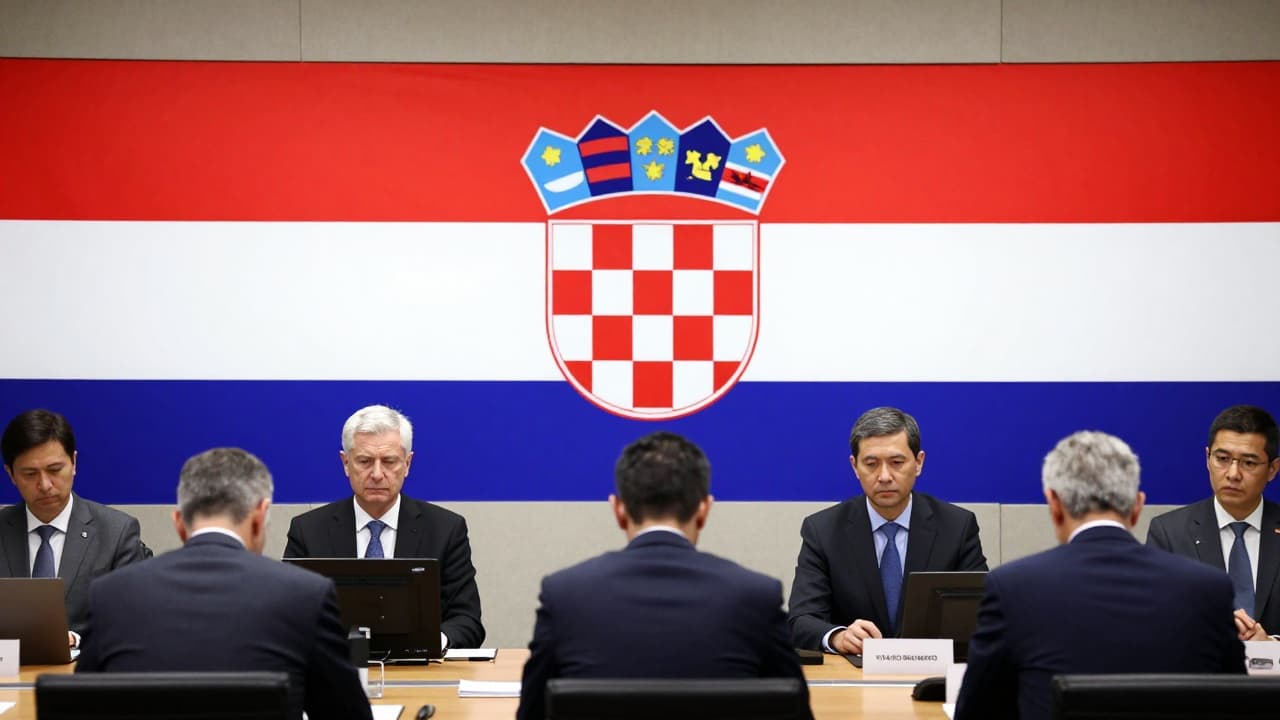
The MED9 summit, a group comprising nine Mediterranean countries within the European Union, took place in Split and concluded on Wednesday. The event was the centrepiece and final event of Croatia’s presidency of the group in 2026, during which the Split Declaration was adopted.
The leaders of the southern member states concluded that their countries face a number of common challenges. "We are all facing the same challenges," said Prime Minister Andrej Plenković, who assessed that European leaders have been in a "continuous state of crisis management" in recent years. The MED9 group consists of Croatia, Cyprus, France, Greece, Italy, Malta, Portugal, Slovenia and Spain.
At the summit, discussions focused on the consequences of the wars in Ukraine and the Middle East, inflationary pressures, energy security, climate change, irregular migration, the competitiveness of the European economy, and the new Multiannual Financial Framework of the European Union for the period 2028 to 2034. One of the key issues was the future European budget, with differing views among member states on its size and priorities. Some net contributor states advocate for stricter control of spending, while southern member states wish to preserve strong funding for cohesion and agricultural policy.
The Italian Prime Minister, Giorgia Meloni, highlighted the importance of the cohesion policy, stating that it is "in the interest of the entire European Union". Plenković stated that the key would be to find a balance between the different interests of the member states, and that the "key to success" is achieving a balance between the two groups of countries. As an example of the importance of cohesion policy, he cited Croatia, whose level of development, measured by GDP per capita, has increased from 61 to 78 per cent of the EU average over the last decade.
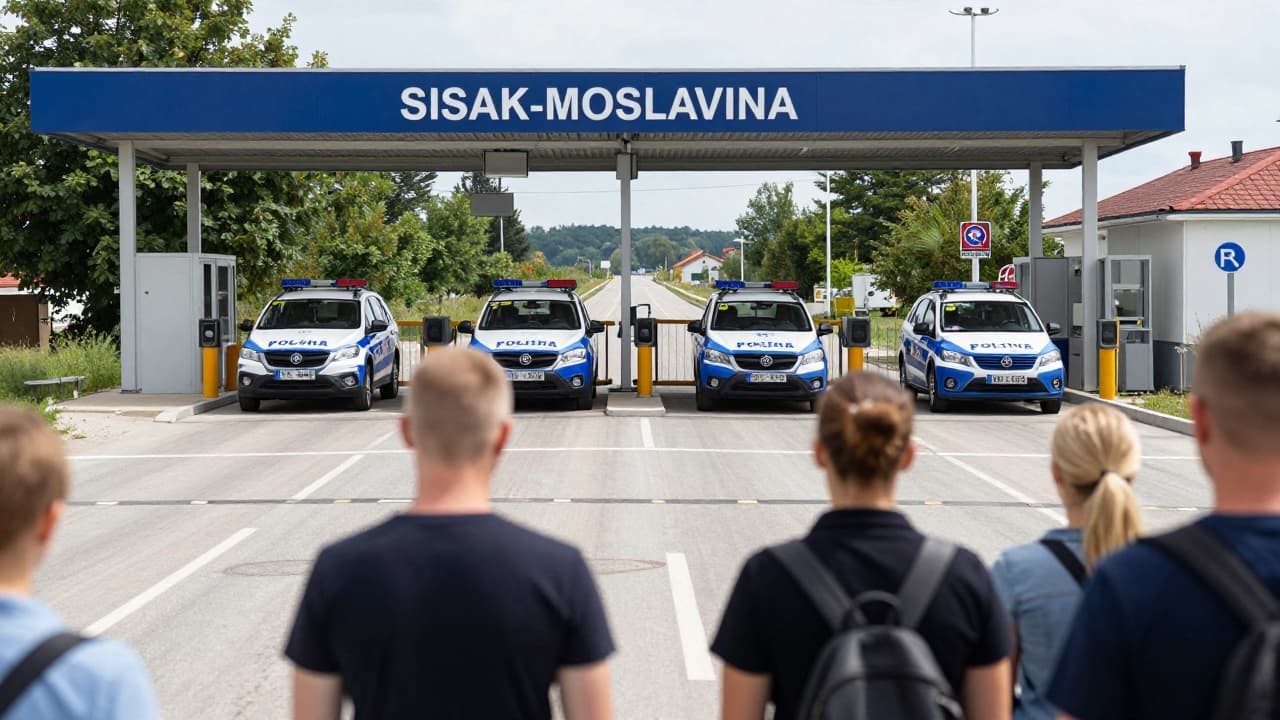
A significant part of the discussion was devoted to irregular migration and the protection of the EU’s external borders. Plenković stated that the issue of irregular migration, more than any other, has influenced the "European political landscape" since the migration crisis of 2015. In the final declaration adopted on Wednesday, the nine MED9 members called for solidarity among states in the fight against irregular migration, through enhanced preparedness, early warning, timely EU political, operational and financial assistance, and effective border protection.
Meloni warned that Europe, in addition to the security crises in the east of the continent, must not neglect its southern neighbourhood and Mediterranean migration routes. "We are all looking east," she said, "but we must not forget the southern shores." The Slovenian Prime Minister, Janez Janša, stated that the application of the European Pact on Migration and Asylum is yielding results in certain regions, but that pressure on the Western Balkan route remains significant. He highlighted that states not on the external borders must be prepared to assist member states that are, stating: "Our wish is that we have strong control over the external, while having less control over our internal borders." He linked the issue of border security to the long-term demographic challenges in Europe, assessing that border protection cannot be viewed separately from the depopulation of certain areas, and proposed that demographics become one of the main European issues.
The Portuguese Prime Minister, Luís Montenegro, stated that the security of external borders is a shared responsibility of all member states. He also spoke of the need to strengthen cooperation with the EU’s southern neighbourhood, the development of their economies, the stronger fight against smuggling networks, and the more effective return of persons who do not have the right to reside in the European Union. Portugal takes over the presidency of the MED9 format from Croatia.
Following several hours of discussions by the leaders, six of them held a press conference. The French President, Emmanuel Macron, and the Greek Prime Minister, Kyriakos Mitsotakis, had to leave the summit due to other commitments, while the Spanish Prime Minister, Pedro Sánchez, cancelled his attendance at the last minute due to early elections. The summit in Split took place ahead of new discussions by European leaders on the future budget, migration, security and the competitiveness of the European Union, i.e. one week before the European Council meeting where the European budget for the period 2028 to 2034 will dominate. The ambition is to reach an agreement on this key document by the end of this year.
In addition to Poland, which is facing an influx of illegal migrants from Belarus, the majority of entries into the EU are occurring through MED9 member states, which account for a third of the members of the European Union.