
The situation in the Spanish enclave of Ceuta has stabilised following attempts by tens of thousands of migrants to enter the European Union. Although the number of casualties rose during violent clashes and crushes, most migrants have since returned to Morocco.
European Commission President Ursula von der Leyen has assigned Dubravka Šuica, the European Commissioner for the Mediterranean, to manage the migration crisis.
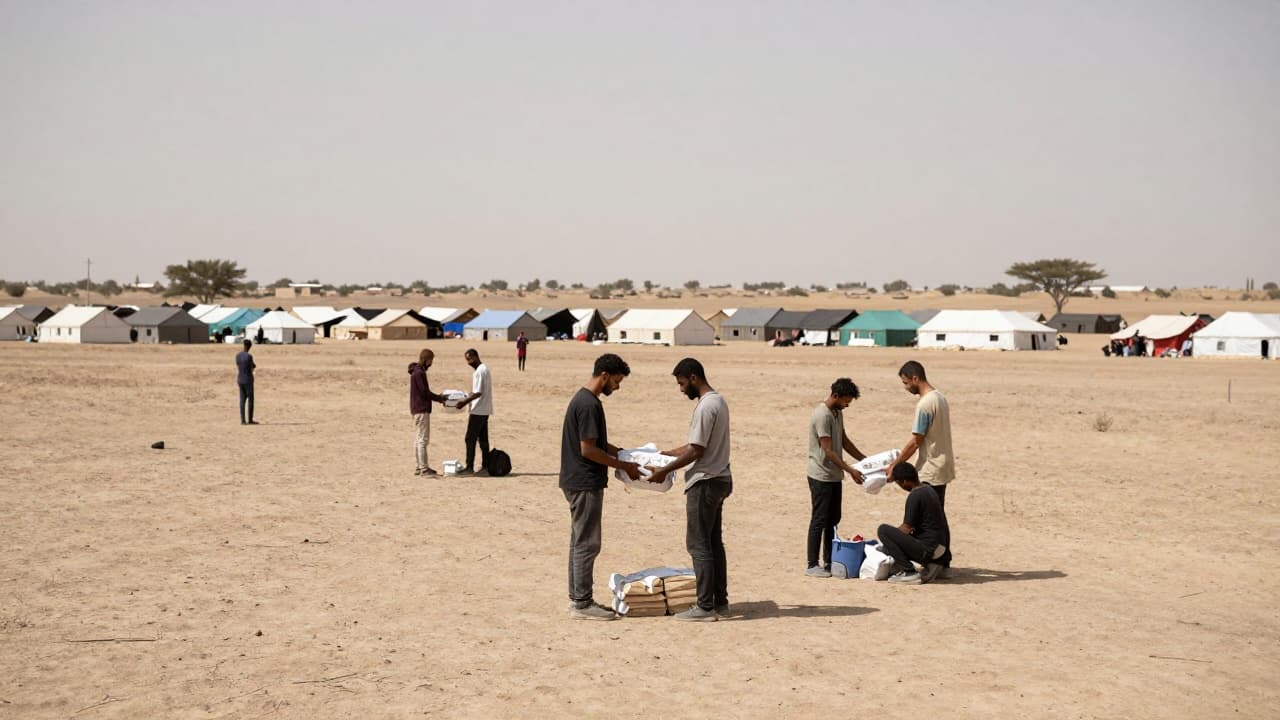
According to the regional government, approximately 60,000 migrants arrived in Ceuta over several days, while the central government estimates the number is slightly lower, at 50,000. Among the migrants were many women and children, and at the height of the crisis, thousands spent the night on the city streets. Ceuta covers 18.5 square kilometres and has a population of fewer than 85,000, further complicating accommodation and logistics.
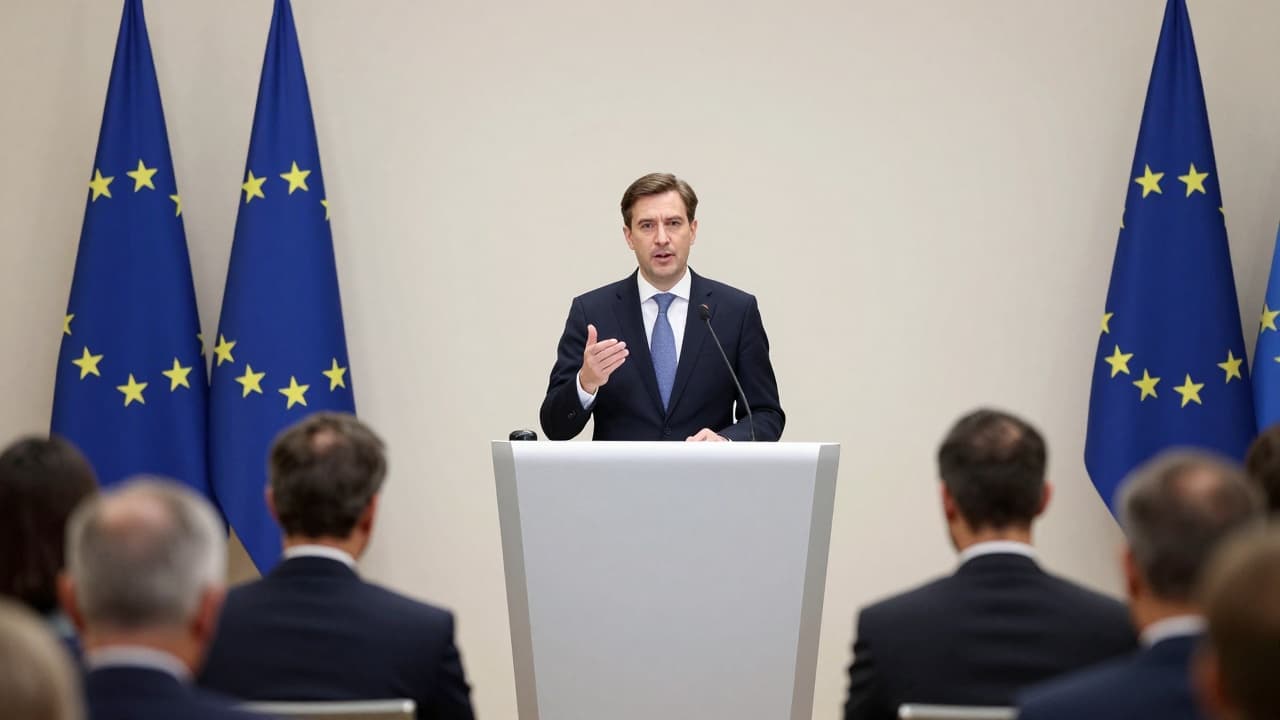
Dubravka Šuica, who has held the post of European Commissioner for the Mediterranean since December 2024, stated that the situation in Ceuta is currently significantly calmer. She noted that over 95 per cent of migrants have returned to Morocco voluntarily and that Spain and Morocco are cooperating effectively. Šuica is one of two commissioners tasked with helping to bring the situation under control, with her portfolio covering the EU’s relations with southern neighbours, including Morocco.
The European Commission is coordinating activities and holding daily talks with Spanish and Moroccan authorities. Strengthening cooperation with southern neighbours and protecting the Union’s external borders are the main objectives of Šuica’s mandate. She emphasised that legal migration is permitted, while illegal migration is not, and that the EU can act through political influence, financial aid, and the work of Frontex, which is present in the Mediterranean.
Brussels and member states are preparing for emergency meetings. Šuica has so far decided not to travel to Ceuta or Morocco, as the situation has stabilised, with the focus now on coordinating international efforts and long-term migration management strategies.