Prime Minister Andrej Plenković stated in an interview with HRT that Croatia will in no case accept the migrant centers proposed by the European Commission in third countries. He stressed that this stance is shared by all members, and that the Croatian government would certainly not support it.
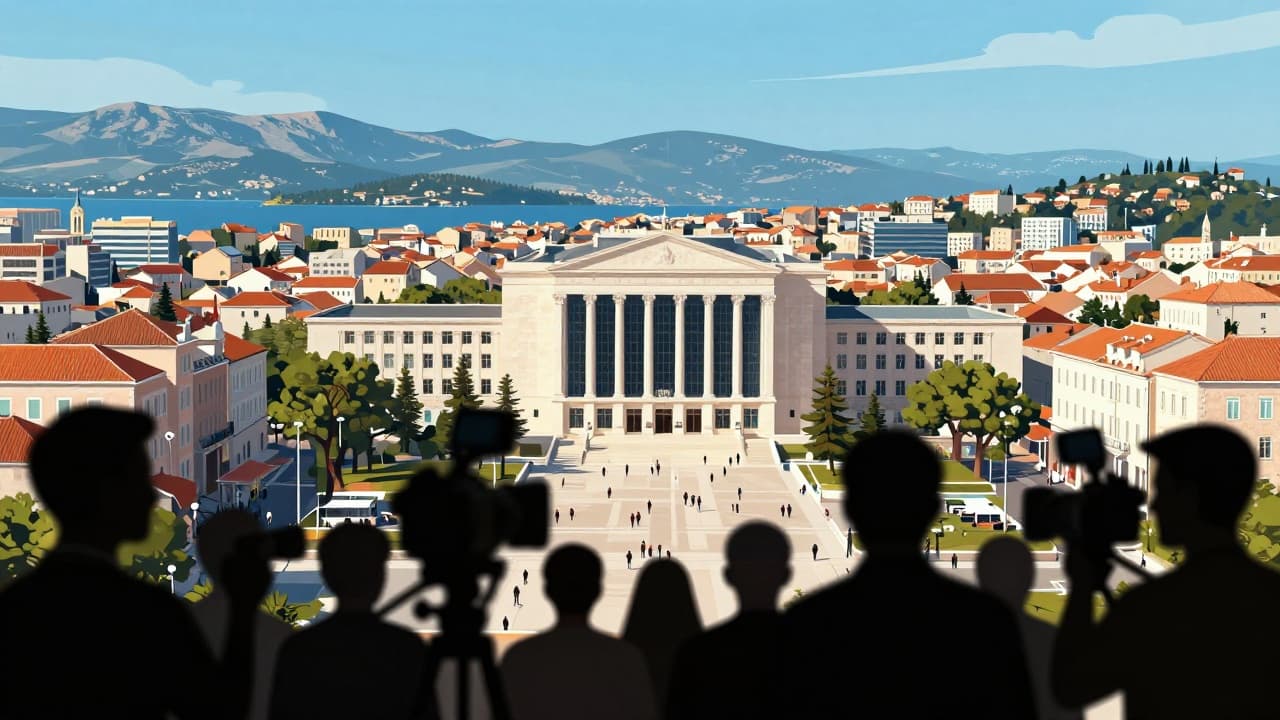
Plenković spoke about the conclusions of the MED9 summit, for which Croatia was the host, with Split thus becoming the political centre of Europe. He expressed satisfaction that Croatia had crowned its presidency of the initiative with a summit of leaders in Split, stating that they had had an excellent presidency. He thanked the mayor of Split for the hospitality, as well as the deputy county prefect, who was also present with them. He recalled that after the summit of the Three Seas in Dubrovn, the next major event would be held in Split.
Speaking on migration, the prime minister noted that the countries involved in the summit were the most affected by migration from the Mediterranean, and that southern Europe could have a common migration policy. He described several migration routes: the western Mediterranean route, for example, the Ceuta route, where Spain had recently experienced issues; the central Mediterranean route, where Italy was most affected; and the eastern Mediterranean route, via Turkey, Greece, and Bulgaria, through south-eastern Europe. Part of this, he added, came via the Western Balkans route to Croatia.
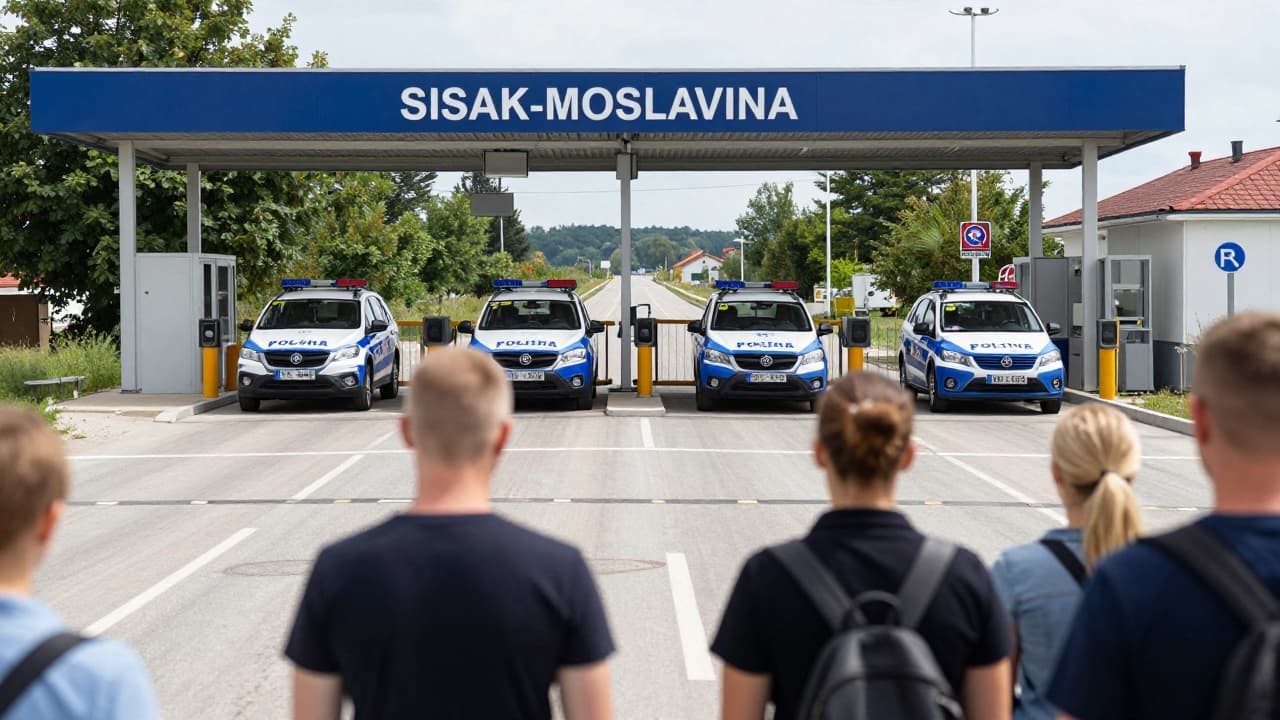
Plenković thanked the 6,500 Croatian police officers who were on the border around the clock, in areas where smugglers were detected attempting to illegally transport people into Croatia, and further on to Slovenia and western Europe. He stated that they had invested heavily in the technical equipment of the Croatian police, so that border control was increasingly effective. He also pointed out that there were serious problems, as there were many illegal migrants in some countries, which led to security issues related to the situation.
The prime minister stressed that no other event, such as the 2015 and 2016 migration crisis, had affected the political landscape in many, especially the largest, member states of the European Union. He reiterated that Croatia respected the European rules, protecting its border, the external border of the European Union, and the Schengen border, while seeking to reduce the number of irregular migrants.
He also addressed the European budget and the prices of energy, stating that the government would continue to intervene to protect citizens from rising prices. He expressed his expectation that the path to the European Union for Bosnia and Herzegovina would be accelerated.