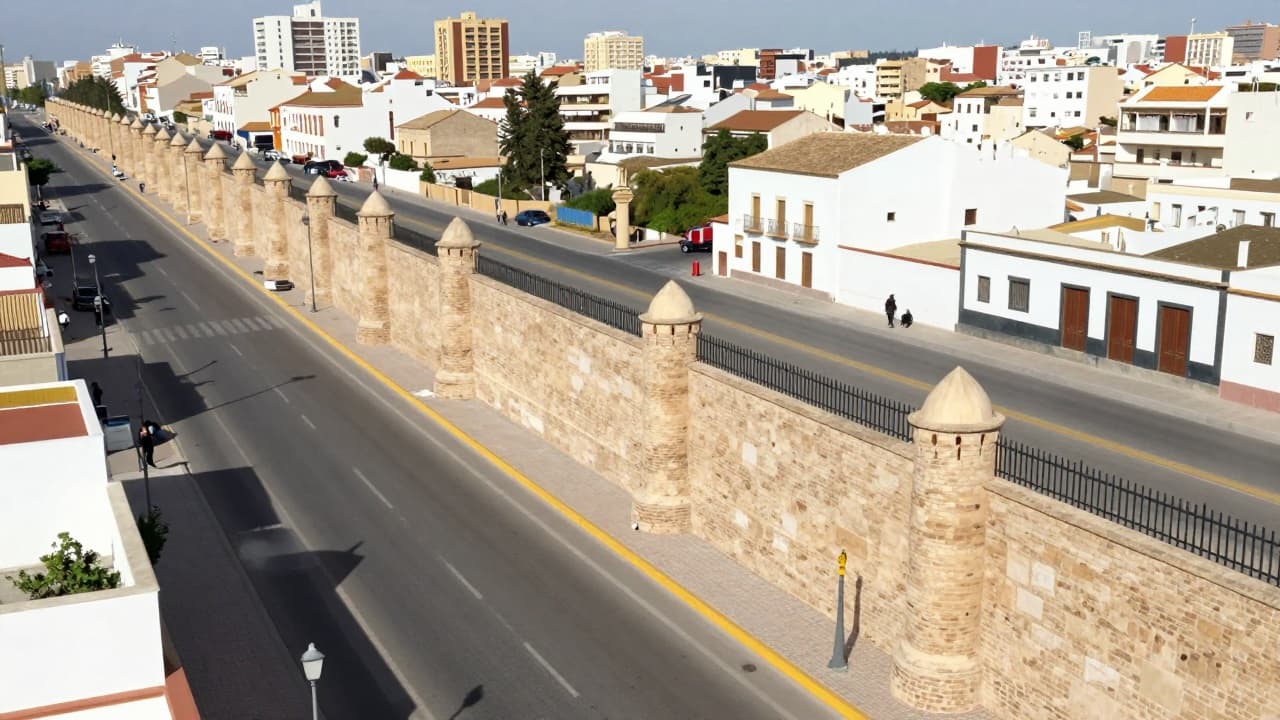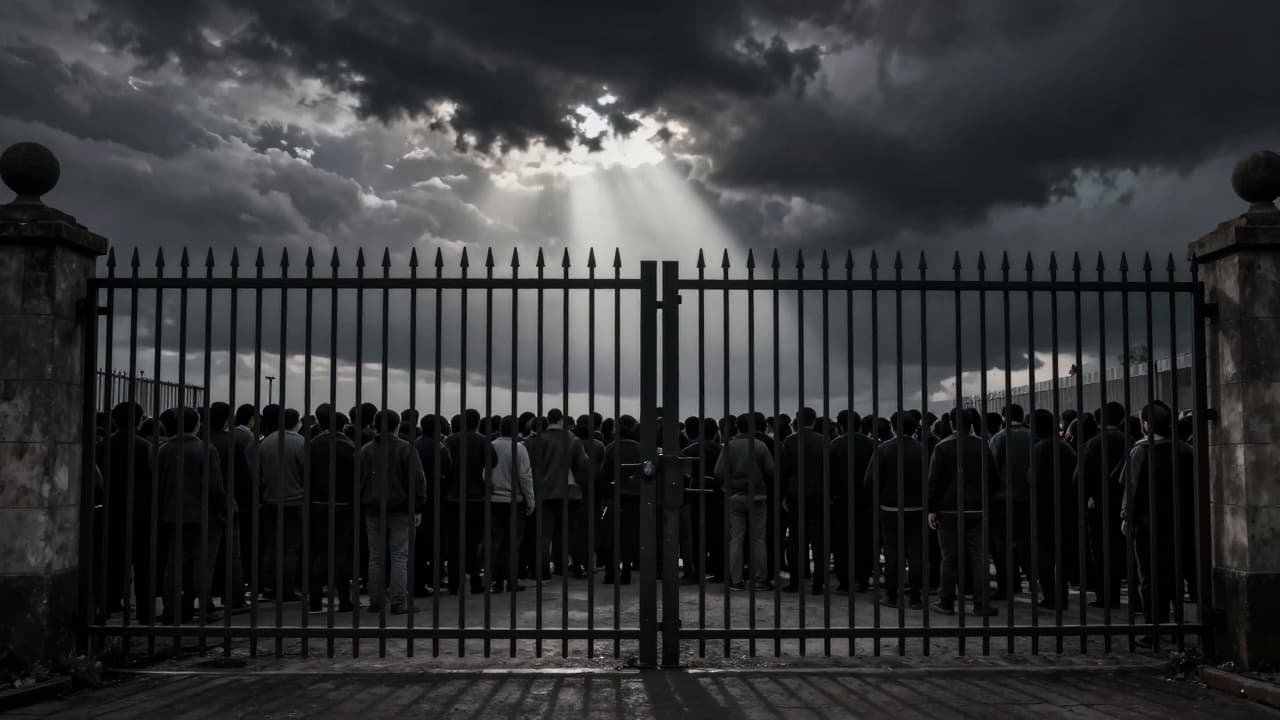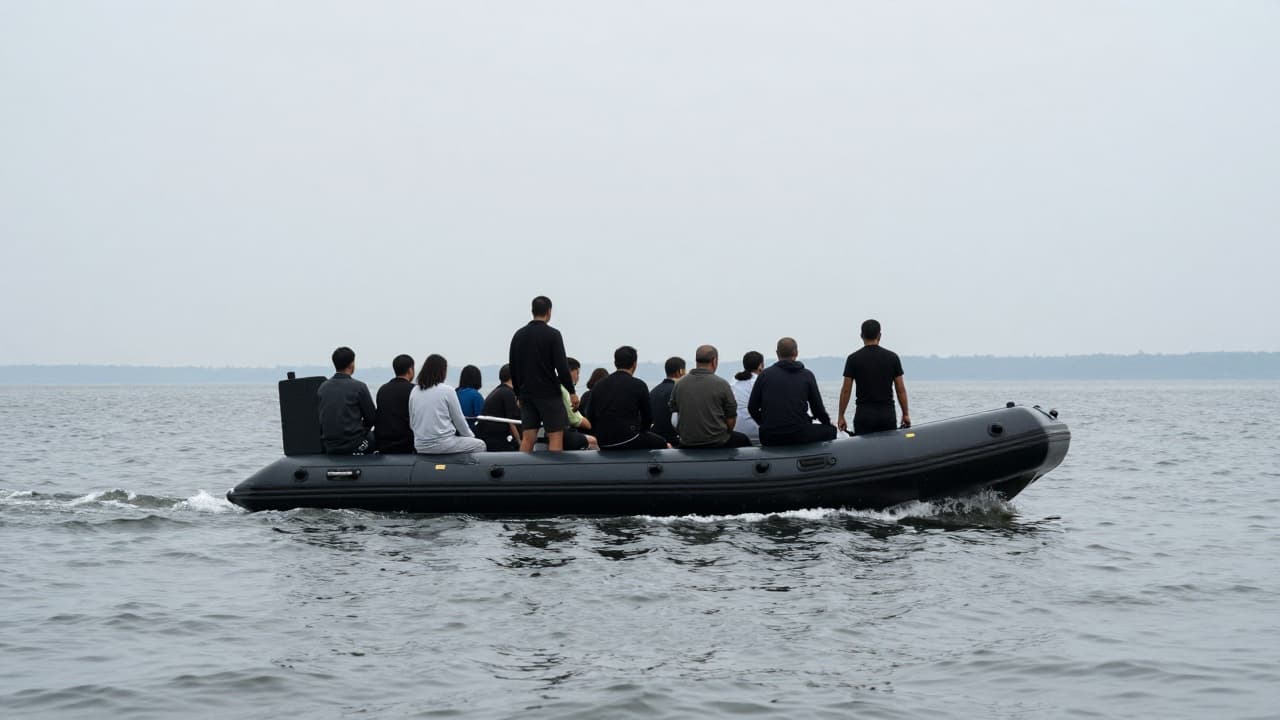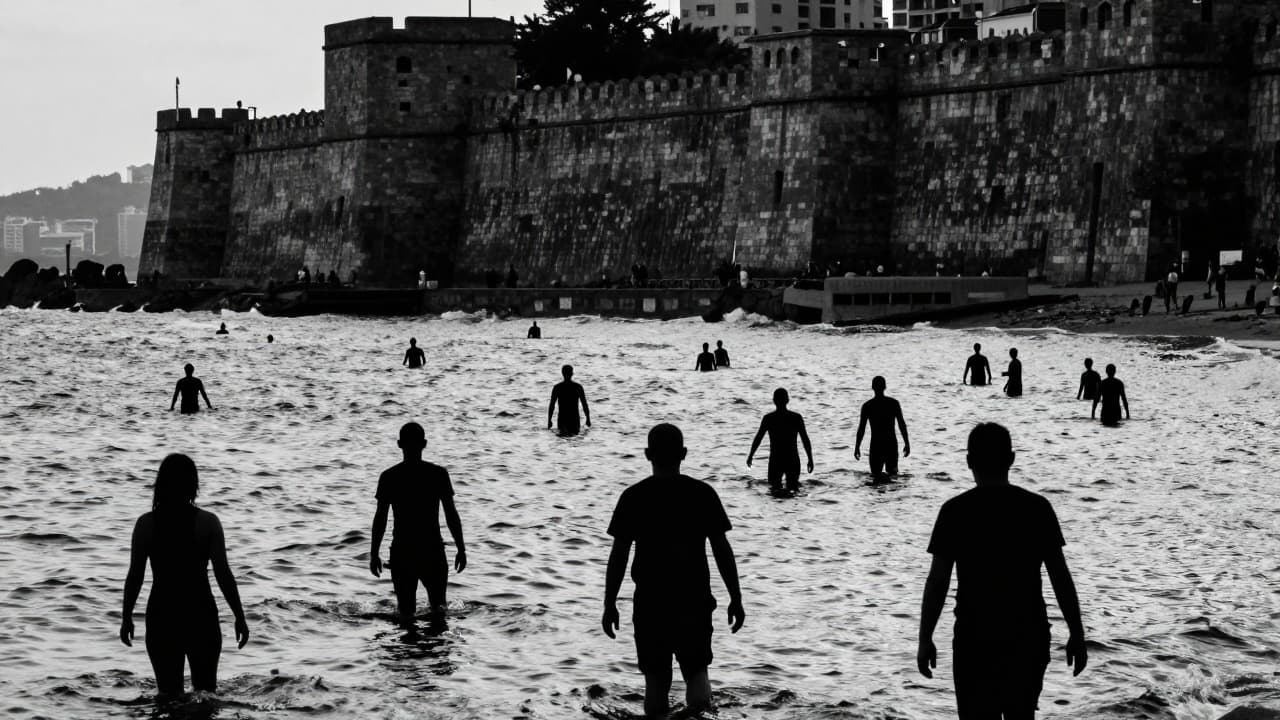
One of the largest migrant crises in the history of the European Union was triggered after a false message spread across northern Morocco via TikTok, WhatsApp, and Facebook. The message claimed that one should swim to the Spanish autonomous enclave of Ceuta on the north African coast, warning that it would be impossible to return to Morocco from there. The information proved inaccurate, yet it still spurred a mass response.
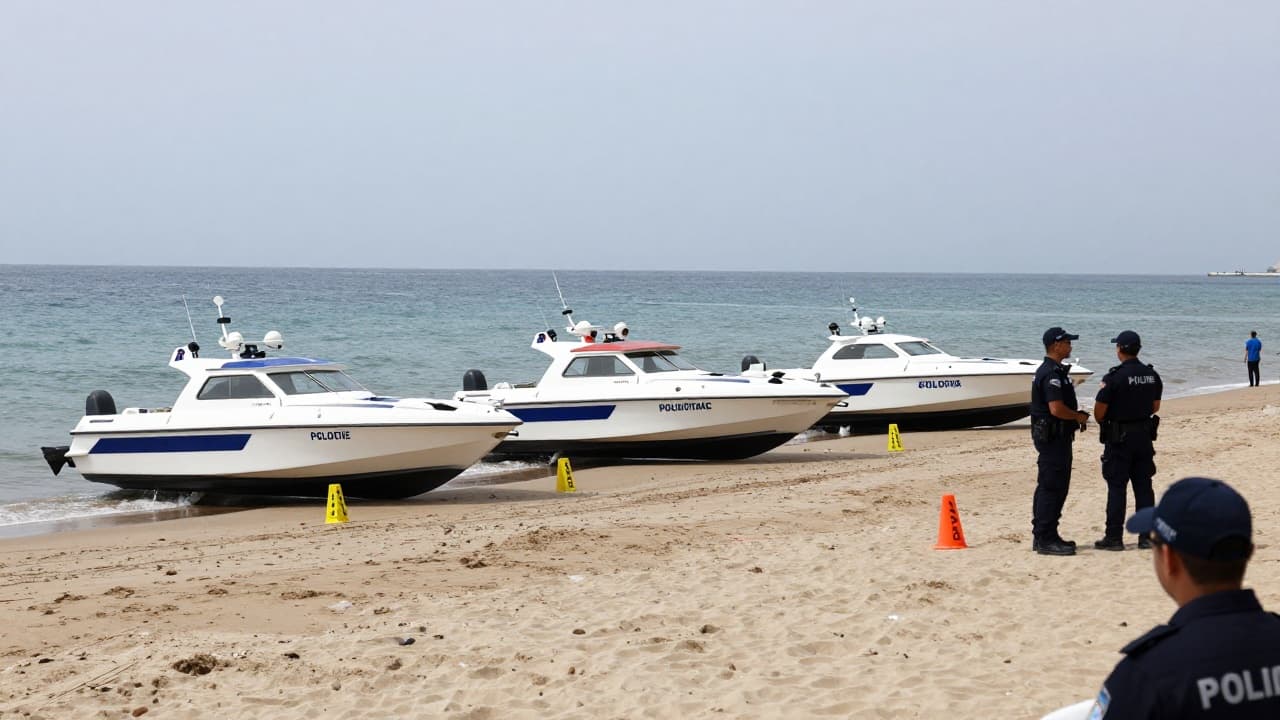
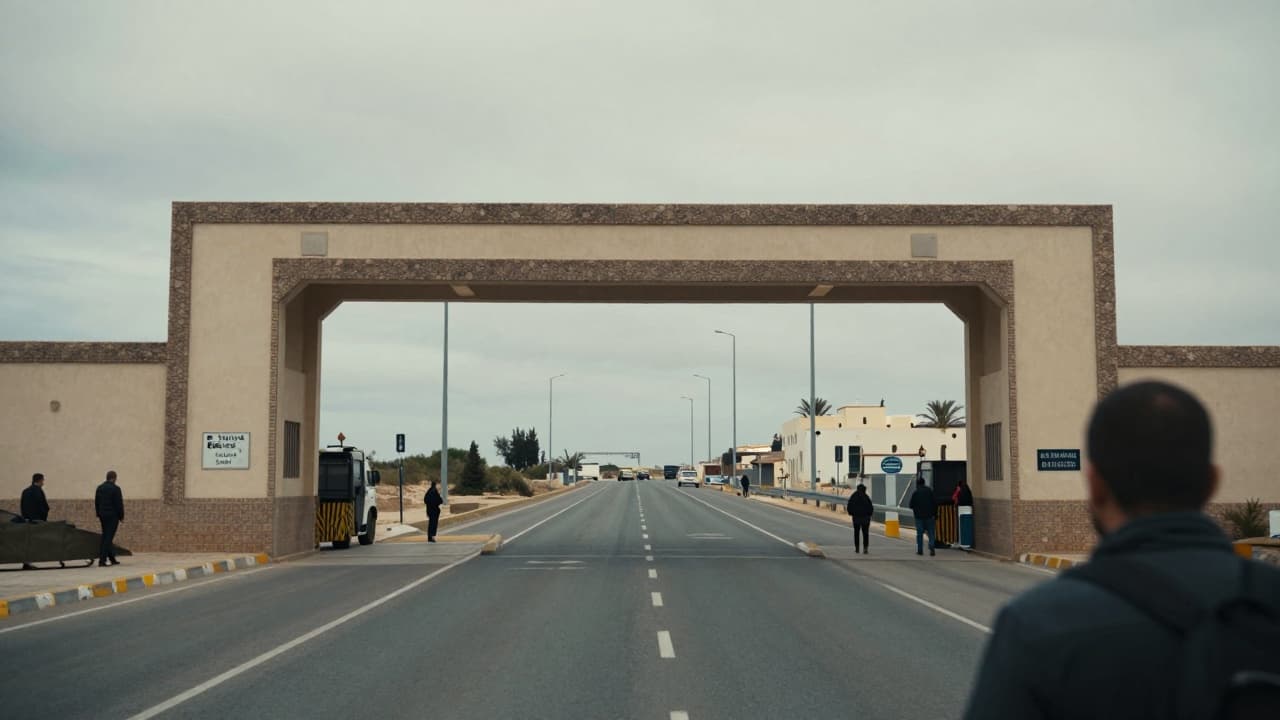
In just one day, approximately 50,000 Moroccans set off for the Spanish territory. Most migrants attempted to reach Europe by swimming around the breakwater or along the coast, leading to highly tense situations at the border. Spanish authorities responded by sending the military and additional police forces to the border, while a floating sea barrier was deployed to prevent further influx of people.
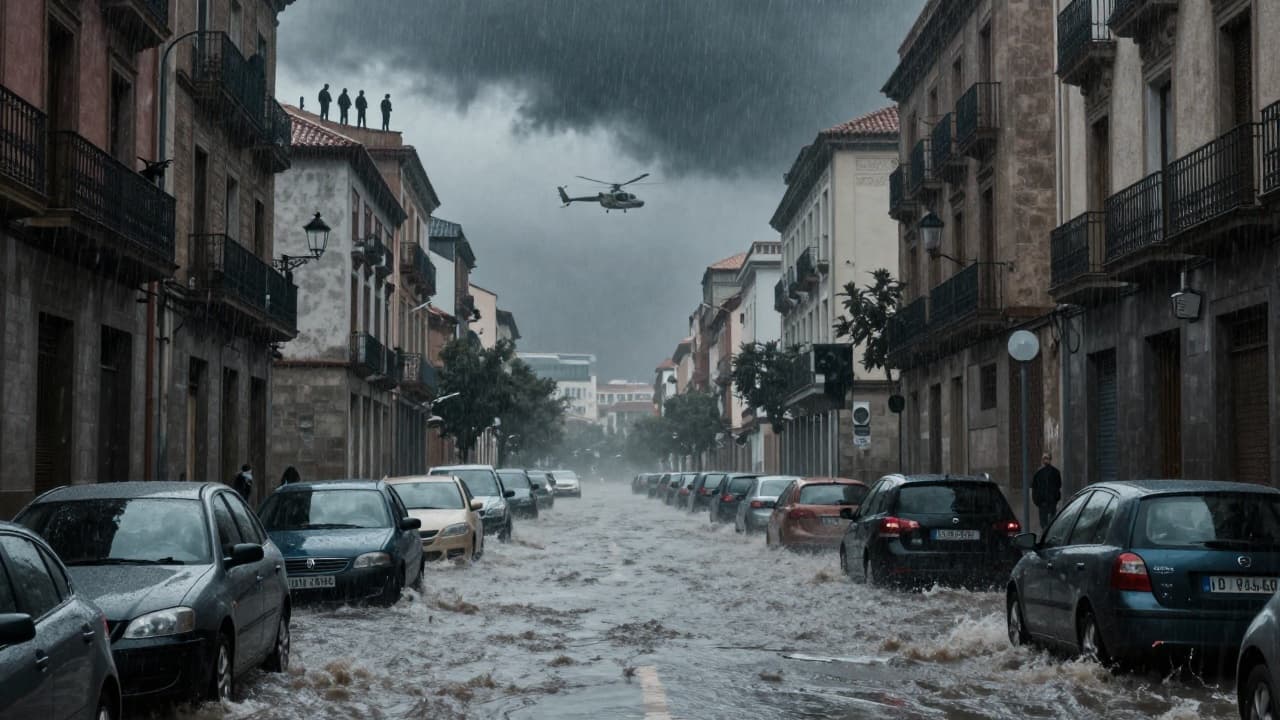
The consequences of the mass attempt were severe, particularly for emergency services and hospitals in the region. In a matter of hours, medical staff treated more than 1,000 injured or exhausted migrants. The situation was further complicated by the large number of people found in danger in the water and on the shore.
The tragic outcome was confirmed with at least 72 deaths. The incidents in Cepta highlighted the vulnerability of migration routes and the danger posed by the spread of disinformation, which can lead to humanitarian crises on European borders.