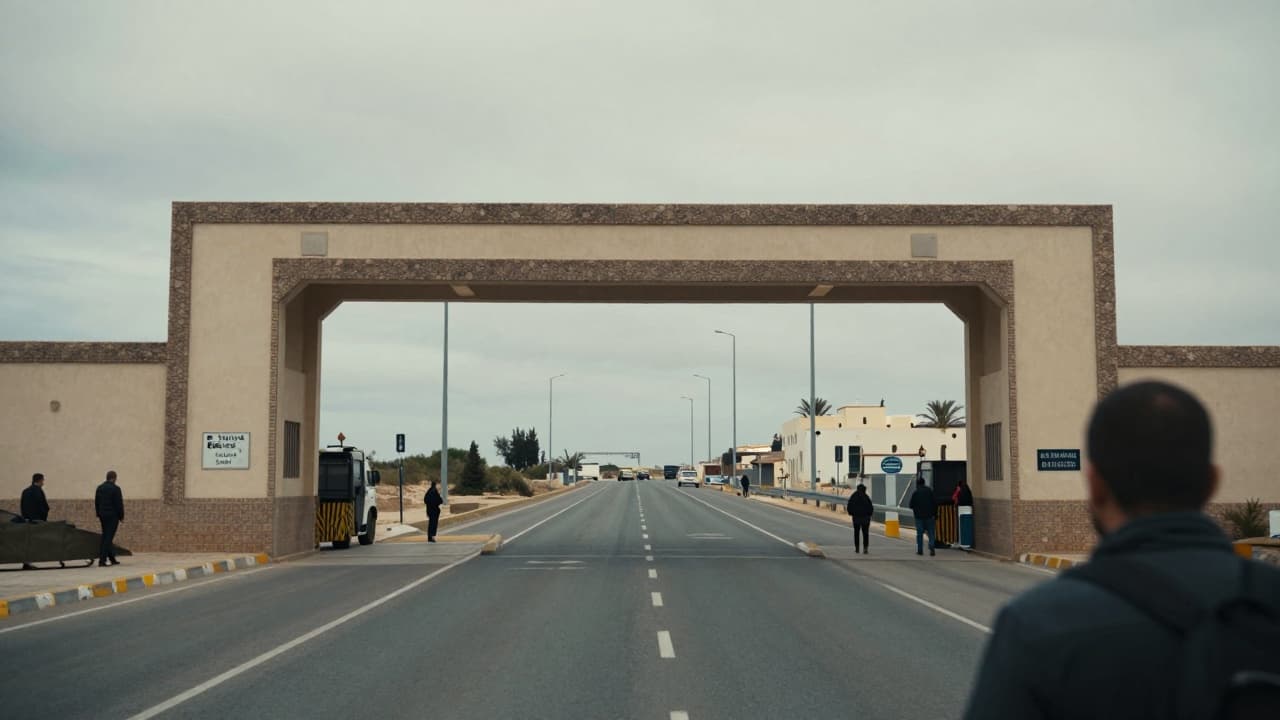
Spanish Prime Minister Pedro Sánchez visited the autonomous community of Ceuta, where he was accompanied by Interior Minister Fernando Grande-Marlaska. During the visit, Sánchez inspected the Tarajal border crossing, a key entry point for migrants onto the European continent. The aim of the visit was to gain a direct understanding of the current situation on the border and coordinate a response to the rising number of arrivals.
During his stay in Ceuta, Sánchez held meetings with local officials, as well as representatives of the border and police forces. The measures discussed included border control measures and how to handle the challenges posed by the mass influx of migrants. The prime minister stressed the need for firm and coordinated action from all relevant institutions.
As part of the response to the crisis, the Spanish government announced the establishment of a temporary centre for the rapid deportation of migrants found in the country without legal basis. This measure is part of a broader strategy by the government to reduce irregular migration flows and to process more quickly the status of individuals who have arrived in Spain illegally.
Sánchez publicly accused criminal networks of orchestrating the migrant influx into Ceuta. The prime minister stated that criminals had misled people with false promises, taking advantage of a recent court ruling concerning the rights of those arriving by sea in Spain. According to him, the smugglers had manipulated migrants by convincing them that the judicial process would guarantee them the right to remain.
During the visit, it was noted that more than 40,000 migrants had arrived in Cepta, representing a significant strain on local capacity and infrastructure. This figure highlights the urgency of implementing new measures and coordinating with European partners to prevent further destabilisation of the region.
The situation on the Spanish-African border has also triggered a reaction from neighbouring Italy. The Italian government has called for Spain to be suspended from the Schengen area. The request was made due to deep concern among Italian authorities over the new migrant crisis, which, in their view, threatens the integrity of open borders within the European space.