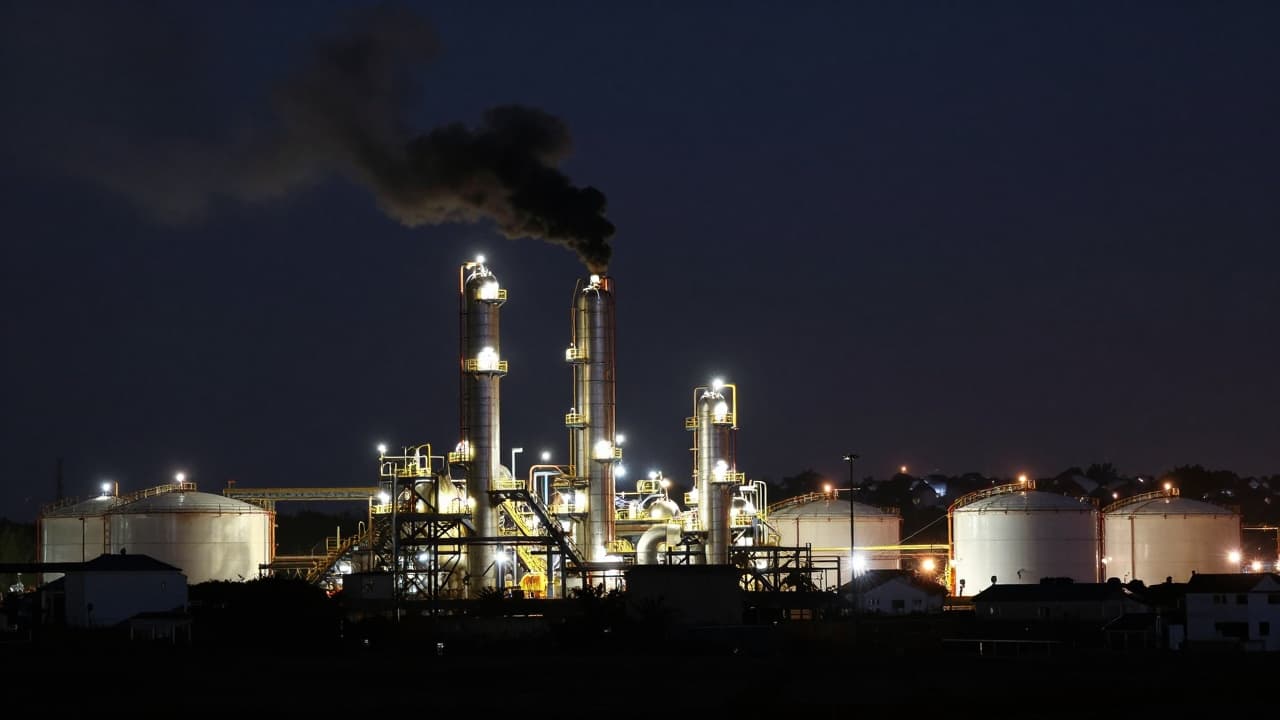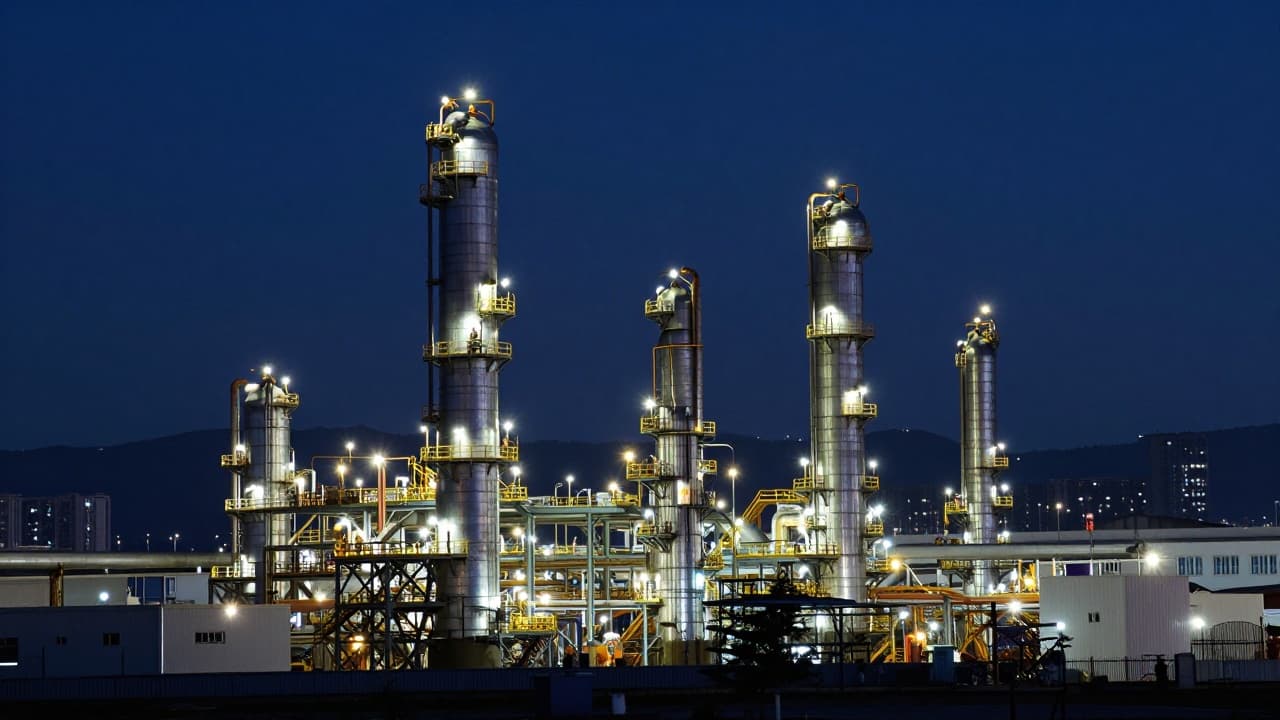
Serbian Oil Industry (NIS) announced on Thursday that it is taking measures to maintain the supply of oil derivatives to the market, following the temporary interruption of crude oil transport to the Pančevo refinery due to a failure on the Adriatic Pipeline (Janaf).
NIS states that it is in constant contact with the relevant state bodies and Janaf representatives and is closely monitoring the situation arising from the transport disruption. The company claims it holds sufficient reserves of oil derivatives, while the operations of the Pančevo refinery are being continuously adjusted in line with information received from its partners.
The Janaf pipeline was damaged last Friday during revitalisation works. The following day, Janaf representatives provided an estimate that 500 cubic metres of oil had leaked from the main pipeline in the Sisak – Slavonski Brod section, in the area of the settlement of Prvča. Repairs to the failure are expected to be completed before the start of December.
The Pančevo refinery, which is part of NIS, supplies around 95 per cent of the Serbian market with derivatives and relies predominantly on crude oil transport via the Janaf pipeline. NIS and Janaf have signed a three-year contract for the transport of 10 million tonnes of crude oil, with possible deviations of plus-minus 10 per cent, for the period from 1 January 2024 to 31 December 2026.
N1 Belgrade reported on Thursday that the Pančevo refinery has reduced its production volume and is preparing for a possible complete halt due to the interruption of crude oil transport on the Janaf pipeline. According to N1’s findings, a halt in the production of oil derivatives at the refinery is inevitable, and for now, the only question is the date on which this will occur. The decision was made after the refinery’s authorities received information that crude oil would not flow through the Janaf pipeline before the start of December.
The Adriatic Pipeline and NIS announced on 31 October that they had received a new extension of their US business licence until 11 December. The NIS company is under majority Russian ownership and has been subject to US sanctions imposed on the Russian energy sector due to the attack on Ukraine.