The National Bank of Serbia (NBS) announced that its Executive Board had decided to revoke the operating licence of Alta Bank d.d. Belgrade and that insolvency proceedings had been initiated against the bank. According to the central bank's official statement, the decision was made to protect depositors' assets.
Supervisory checks, as stated by the NBS, revealed a critical deterioration in the bank's liquidity. The central bank said it had been forced to act to protect savers and the stability of the financial system, noting that the decision to revoke the licence followed a series of inspections aimed at stabilising the bank's operations. It was established that the financial situation had deteriorated rapidly and that a further drop in liquidity was imminent. According to NBS data, Alta Bank's account has been blocked since 30 October 2026.
The role of the insolvency administrator is taken over by the Deposit Insurance Agency (AOD), which is legally obliged to ensure the payout of insured deposits. The agency must ensure the payout of insured deposits within seven working days so that customers can access their money. The National Bank of Serbia urges citizens to follow the official announcements from the central bank and the Deposit Insurance Agency, through which the exact schedule and locations for the payout of guaranteed funds will be published.
Alta Bank confirmed that, following the central bank's decision, all card transactions have been suspended, as have domestic and foreign payment flows. The bank's branches are closed to customers.
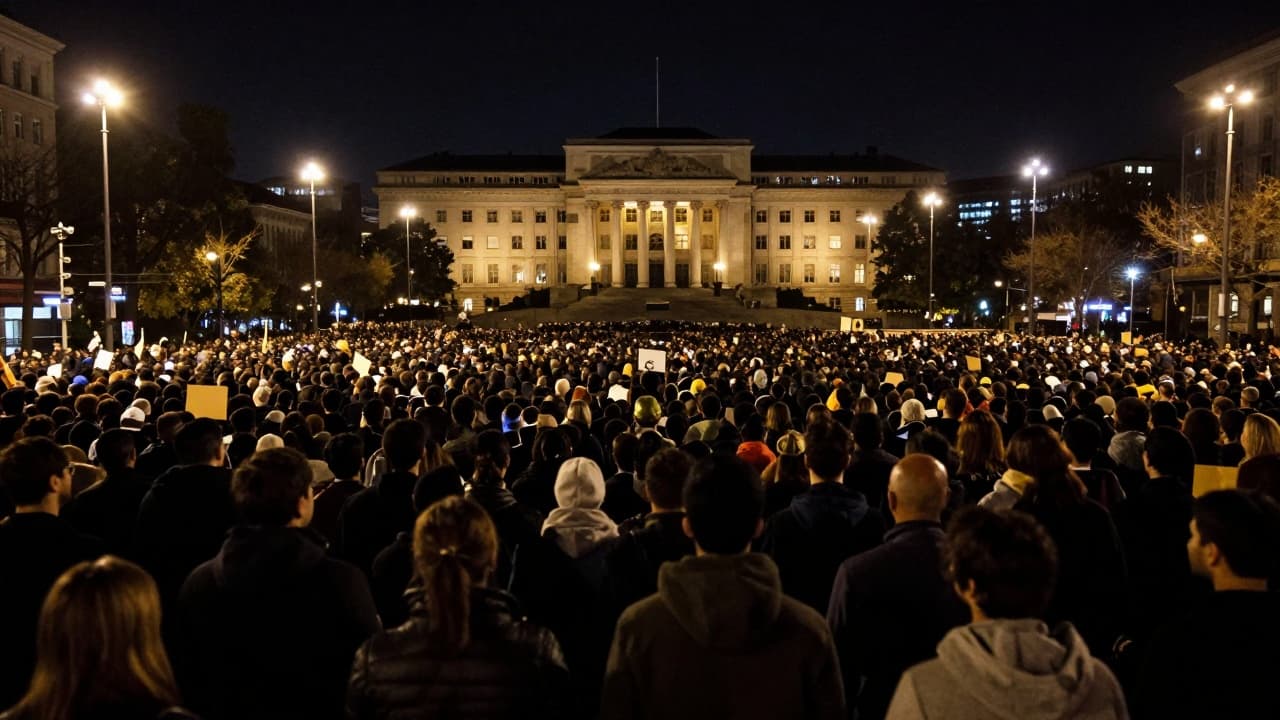
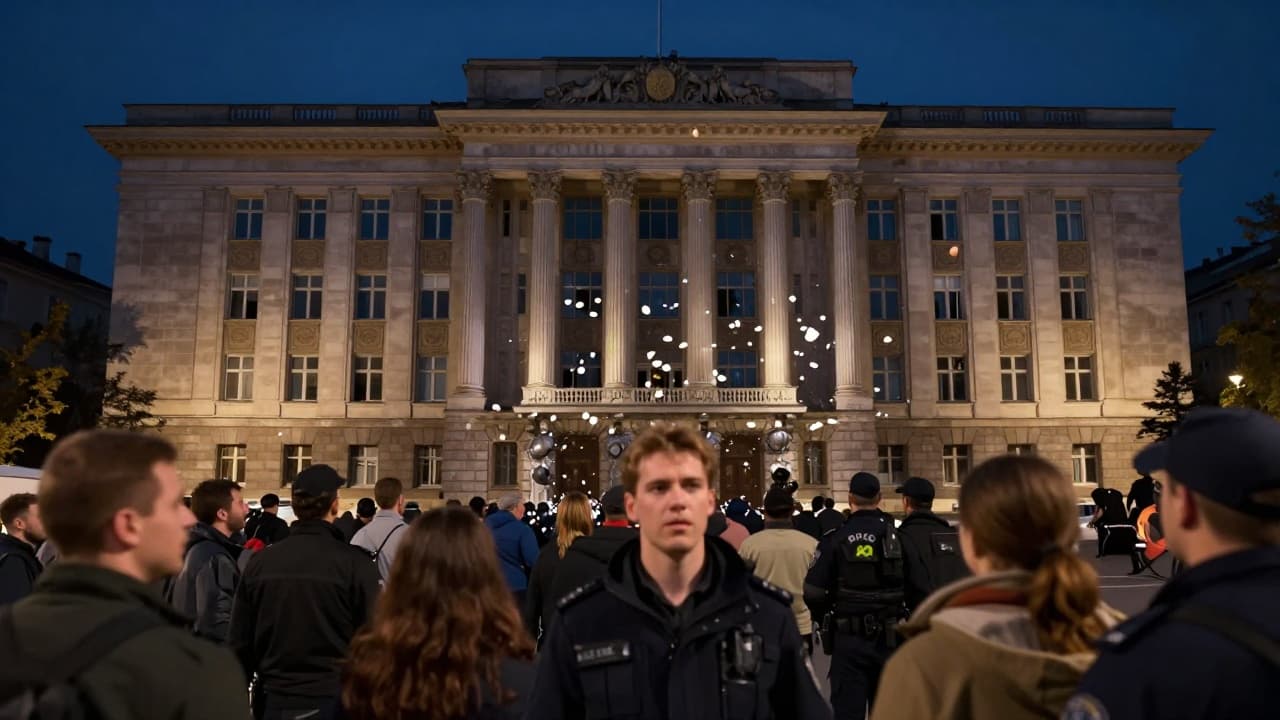
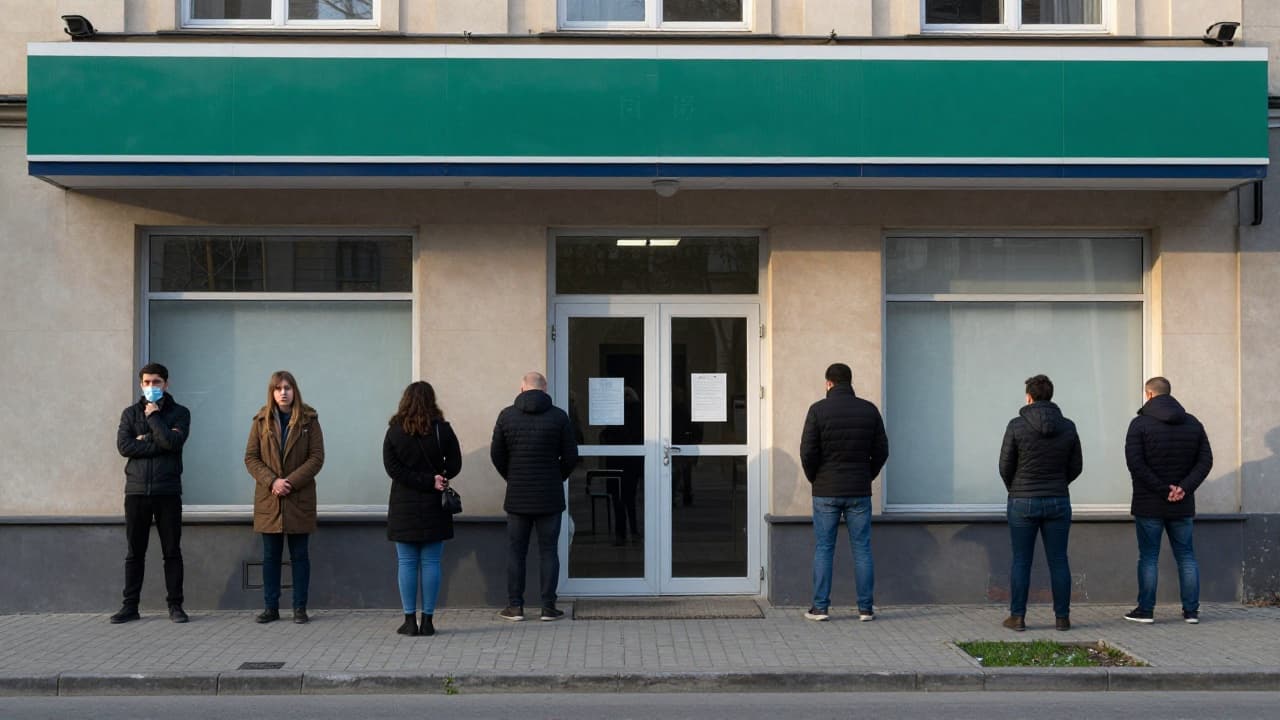
Queues of concerned citizens began forming outside Alta Bank branches in Novi Sad from early morning, with dozens of people filmed this morning outside a branch. Bank customers waited in line after it was announced on Saturday morning that Alta Bank had lost its operating licence. Footage of citizens waiting in front of the closed doors was published by the Kreni-promeni movement, an opposition civic initiative led by Sava Manojlović, known for organising large protests in Serbia. Unofficial, unconfirmed information from some employees also emerged, expressing fears that they could lose their jobs from Monday.
Alta Bank is owned by entrepreneur Davor Macura, who is considered to be extremely close to the Serbian Progressive Party of former president Aleksandar Vučić, whose government was defeated in recent elections. In recent years, the bank has conducted some of the largest financial operations in the country, as numerous state-owned companies bypassed the state Postal Savings Bank and redirected payments through Macura's bank. Among its largest clients were the Serbian Electric Power Industry (EPS), through which all electricity payments are processed, the Belgrade Parking Service, and the Serbian Automobile and Motorcycle Association.
Immediately before the central bank revoked the licence, sister company Alta pay took an unusual step. Alta pay has its own payment flows and accounts within Alta Bank, and it informed business partners that all future payments should be made through its accounts at the Postal Savings Bank and OTP Bank. In doing so, the company effectively bypassed its own parent bank just before its collapse.
Macedonian opposition party SDSM official Andrej Žernovski demanded urgent answers from the Macedonian government and central bank regarding suspicious money transfers that had arrived in Macedonia from Serbia via Alta Bank. Žernovski also asked whether Skopje had served as a transit point for transferring money to Moscow.