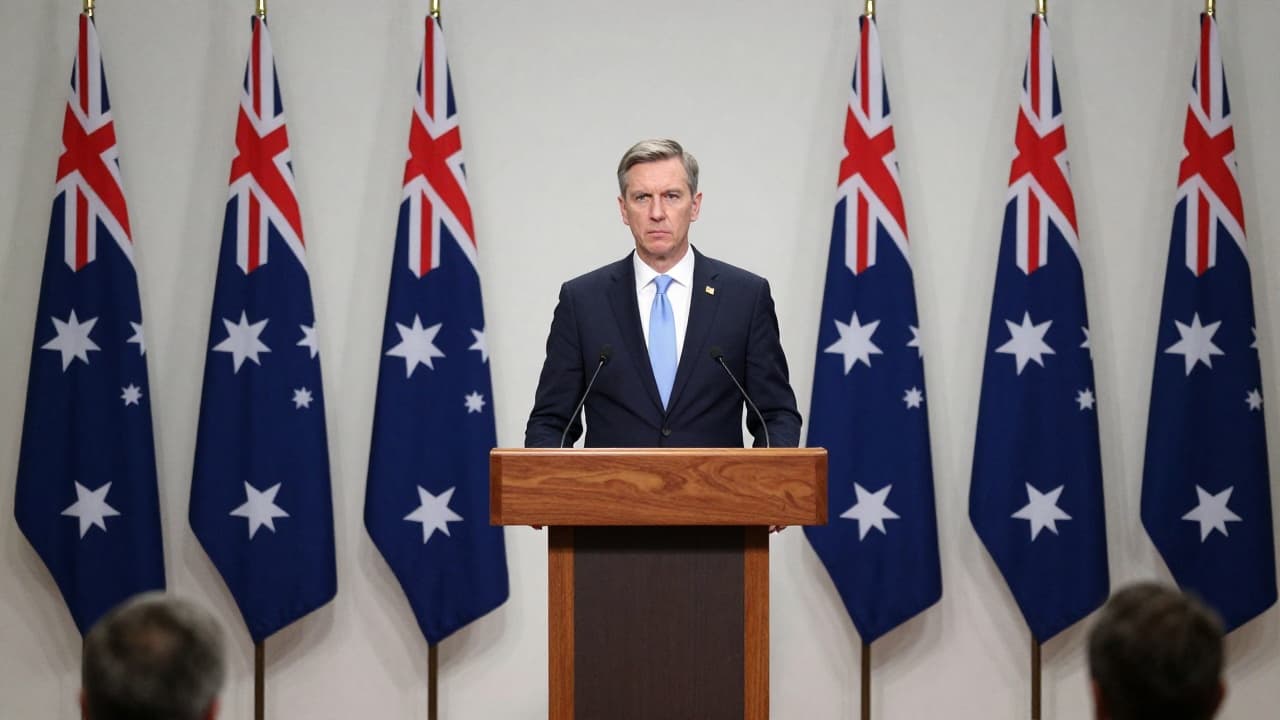
Australian Prime Minister Anthony Albanese personally intervened to stop the ban on paying tax obligations by credit card, a day before the transition funding was announced. The decision was revealed at a time when discussions were ongoing about whether the prime minister had bypassed his finance minister.
The finance minister, Jim Chalmers, had previously announced new funds for the Australian Taxation Office (ATO) to ensure that card payments could continue until the end of the financial year. Chalmers dismissed claims that he had been overruled by the prime minister or that he had acted unilaterally. He stated that he and the prime minister had spoken on Wednesday of the previous week, and that the prime minister had supported his view that a transition period should be extended to allow the ATO time to rectify the situation.
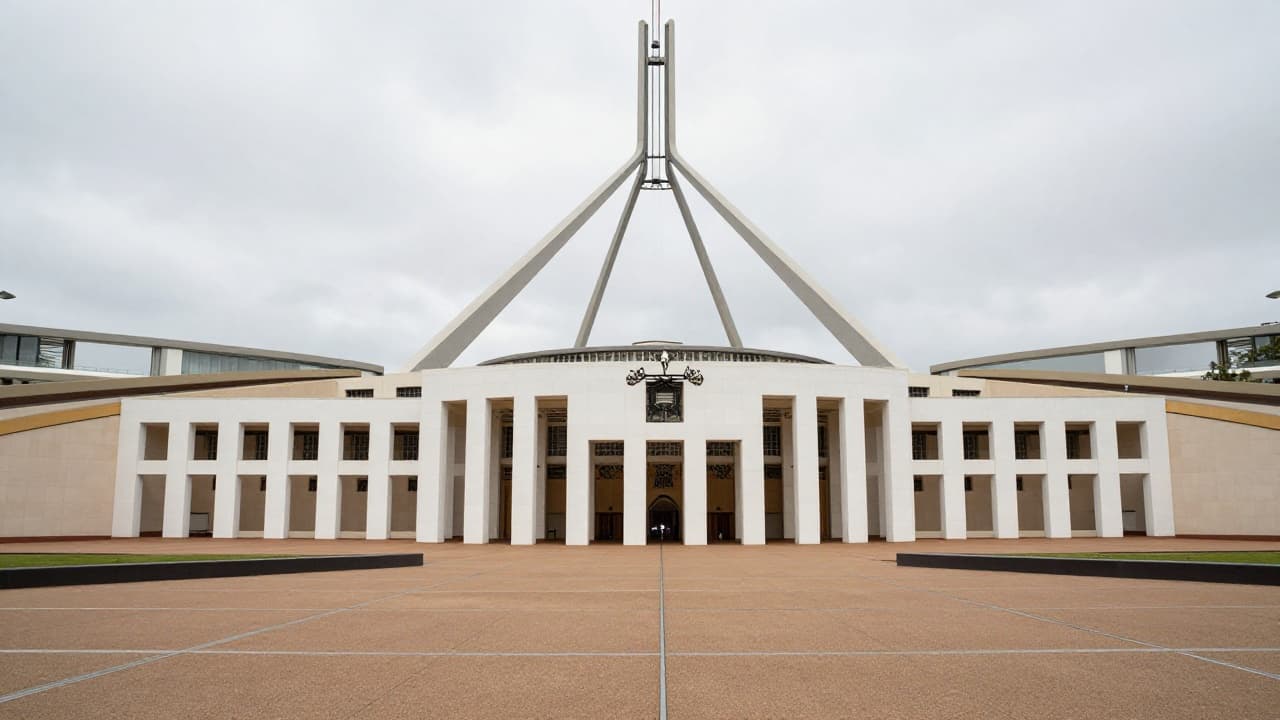
Albanese stated on Tuesday evening, in the parliament building, that he had reacted to concerns raised. According to his account, Andrew McKellar, head of the Australian Chamber of Commerce (ACCI), sent him a message on Thursday morning, with the decision announced by Friday morning. This revealed that he had acted earlier than previously known.
The commissioner, Rob Heferen, announced this month that the ATO would stop accepting credit card payments for tax accounts from 1 December. This decision followed a ban on additional fees introduced by the central bank. Heferen explained that continuing to accept card payments would cost the ATO nearly 200 million dollars annually, as these costs could not legally be passed on to cardholders.
However, some business owners, particularly small business owners, use credit cards as a cash flow tool, paying their tax liabilities by credit when necessary. Estimates suggest that around 5 per cent of small businesses use card payments for tax accounts. The ATO is an independent body, and the government cannot directly dictate the decisions of the tax commissioner.
Chalmers said on Wednesday that he had also participated in discussions with ACCI, describing the intervention as a joint decision with the prime minister. He added that he had spoken with Albanese before he and Treasury assistant minister Daniel Mulino presented the proposal to the cabinet.
The opposition spokesperson for finance, Tim Wilson, stated to News24 that the intervention was further evidence that Albanese was overruling Chalmers. Wilson argued that the prime minister had a tendency to punish small businesses and humiliate his finance minister, and that this was a consistent pattern of behaviour in which the prime minister constantly intervened, overruled his minister, and publicly humiliated him.