The first post-election week in Serbia has been marked by numerous tensions, with one of the key questions being the future relationship with the media on which Aleksandar Vučić built his long-standing rule. Vučić, who led the defeated electoral list and is the former Serbian president, has labelled the demands of the student movement as 'revolutionary terror'.
The student movement has this week called for a faster transition of power, the resignation of heads in the police, intelligence services, judiciary and pro-regime media, as well as an urgent inventory of the existing state of affairs and the prevention of the destruction of documentation in public institutions and enterprises.
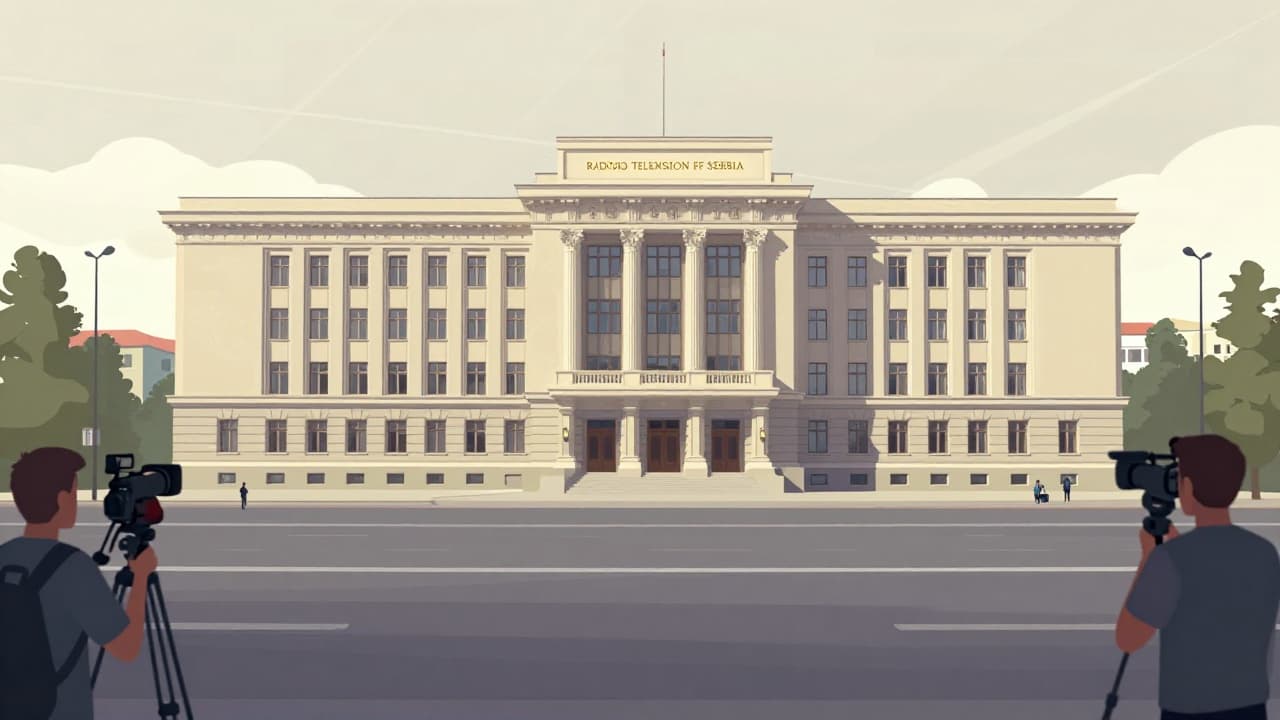
This was followed by a wave of resignations and dismissals in the management and editorial boards of Radio Television of Vojvodina (RTV) and Radio Television of Serbia (RTS). The resignations and dismissals were accompanied by apologies to viewers 'for everything omitted in the previous period'. The new editorial board of RTS news announced in a statement read during the main evening news on Thursday: 'These are the first steps towards, we hope, the healing of RTS... We have work ahead of us on programme content, all in the public interest. We want to regain your trust'.
Previously, the editor-in-chief and part of the editorial staff at RTV resigned, followed by the resignation of the RTS director and the dismissal of the head of the news programme and changes within certain newsrooms. On Friday, RTV director Goran Karadžić resigned. Civil society, the opposition and the student movement have for years pointed to the work and political bias of these newsrooms towards Vučić and the Serbian Progressive Party (SNS). During the nearly two years of protests, the student movement was barely objectively visible in the programmes of RTS, RTV, and numerous pro-government cable and television channels with national coverage.
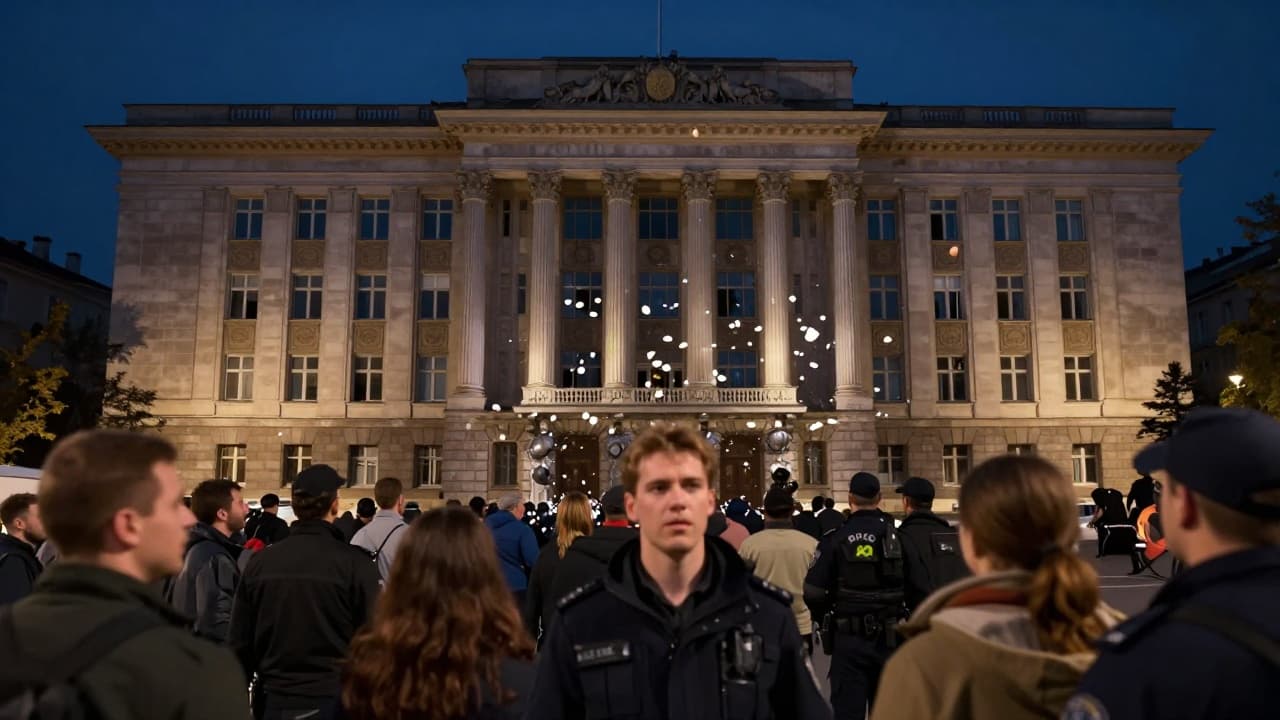
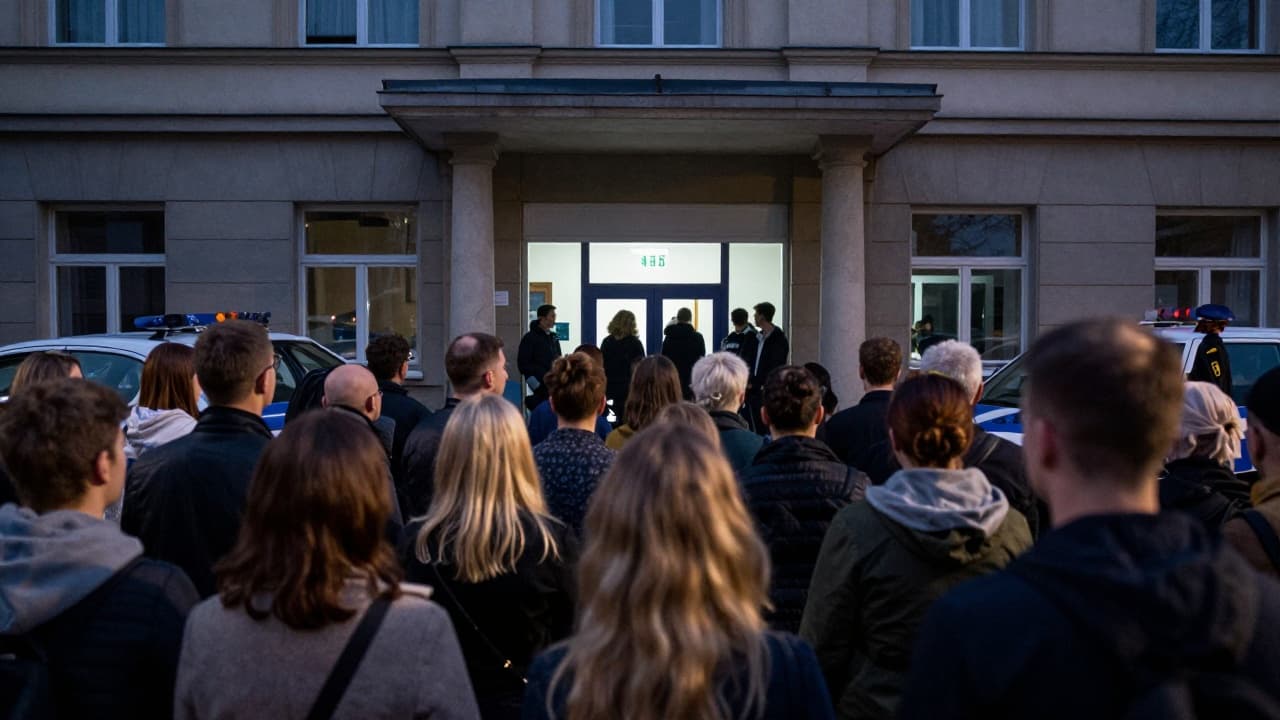
Željko Mitrović, owner of commercial TV Pink, which has a media network in the region, announced redundancies for around 1,000 employees. The media were one of the pillars of Vučić's rule. After the victory of the Student List, groups of dissidents gathered in front of the newsrooms of Informer and Pink, and the programme of TV Informer, which was propagandistically favourable to Vučić and the SNS, was briefly interrupted by a mass entry into the studio. The Student List promptly condemned the intrusions and called for restraint from revanchism, demanding accountability for public speech, years-long violation of professional codes, including criminal liability for inciting hatred towards political opponents and rivals.
Media theorist and professor at the Faculty of Dramatic Arts (FDU) Ana Martinoli, in an article for the weekly Radar, raised the question of what will happen to a politician whose power relied on media dominance when the television stations stop promoting his central place in public life. Martinoli states: 'It would be premature to conclude that Vučić's media network is already collapsing. One apology does not change the system, and an electoral defeat does not erase the ownership, financial and political ties that for more than a decade have determined the programmes of a large number of media'.
The question, Martinoli notes, is whether the owners and editors of those media will 'remain loyal to a man who no longer has the certainty of institutional power' or will try to adapt to the new circumstances, offering themselves as professionally independent, or will continue to function as a media network of the current largest opposition bloc. Vučić's most loyal media stronghold remains TV Informer and the eponymous tabloid, which still call him 'president', but also 'leader of the opposition'.
Martinoli says that even after the defeat, media are very much needed by Vučić to 'remain present, retain supporters, offer his version of events and preserve space for a political return'. For this, she adds, 'it is not necessary for him to control all television stations' and 'it is enough that in part of the media space his interpretation continues to be the only one that is seriously taken into account'. She suggests that it is now more important how many media will continue to accept Vučić's assessment of 'what deserves the attention of citizens, and what should be in the function of the public interest'. The attitude of the new government towards this legacy, as well as reactions within the newsrooms, will 'say a lot about Serbia after the elections'.