Former long-time Serbian Progressive Party (SNS) activist Momcilo Marjanovic has made allegations of organised payment for physical violence, vote buying, and the functioning of pro-regime groups in Serbia. Marjanovic, a 54-year-old from Novi Sad who operated within party structures for more than a decade, spoke about all of this in an interview with the investigative network BIRN.
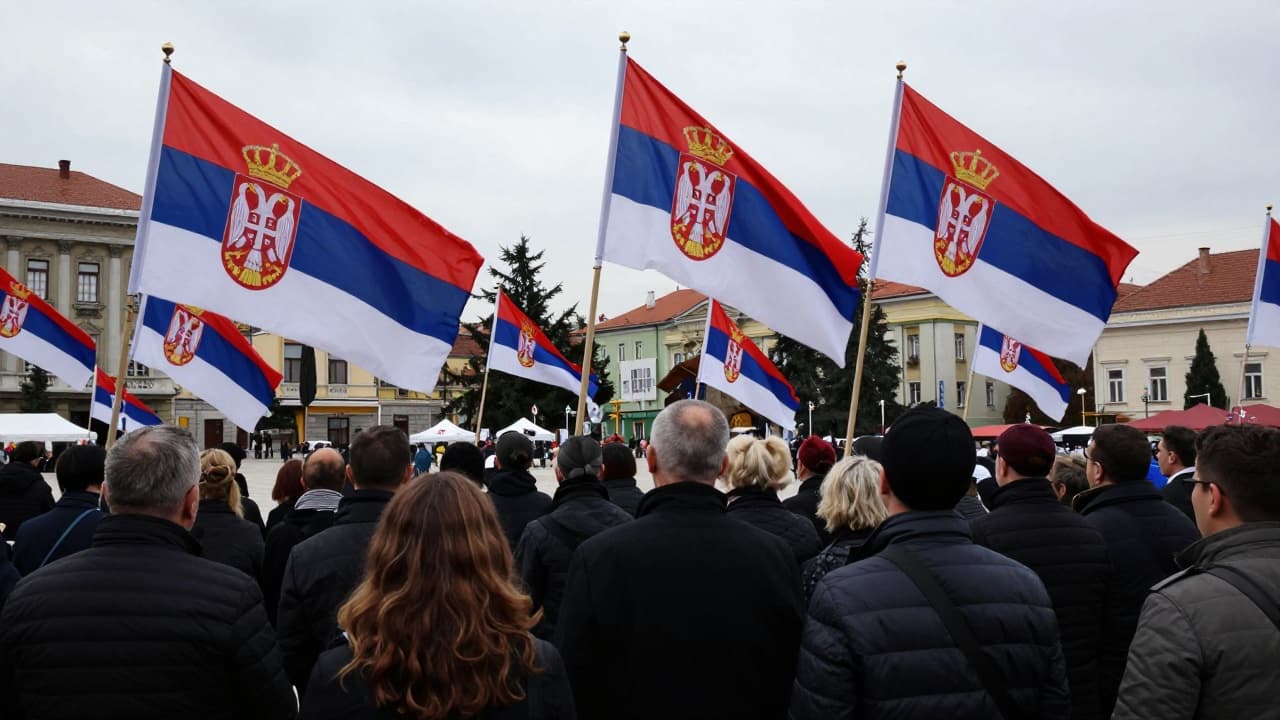
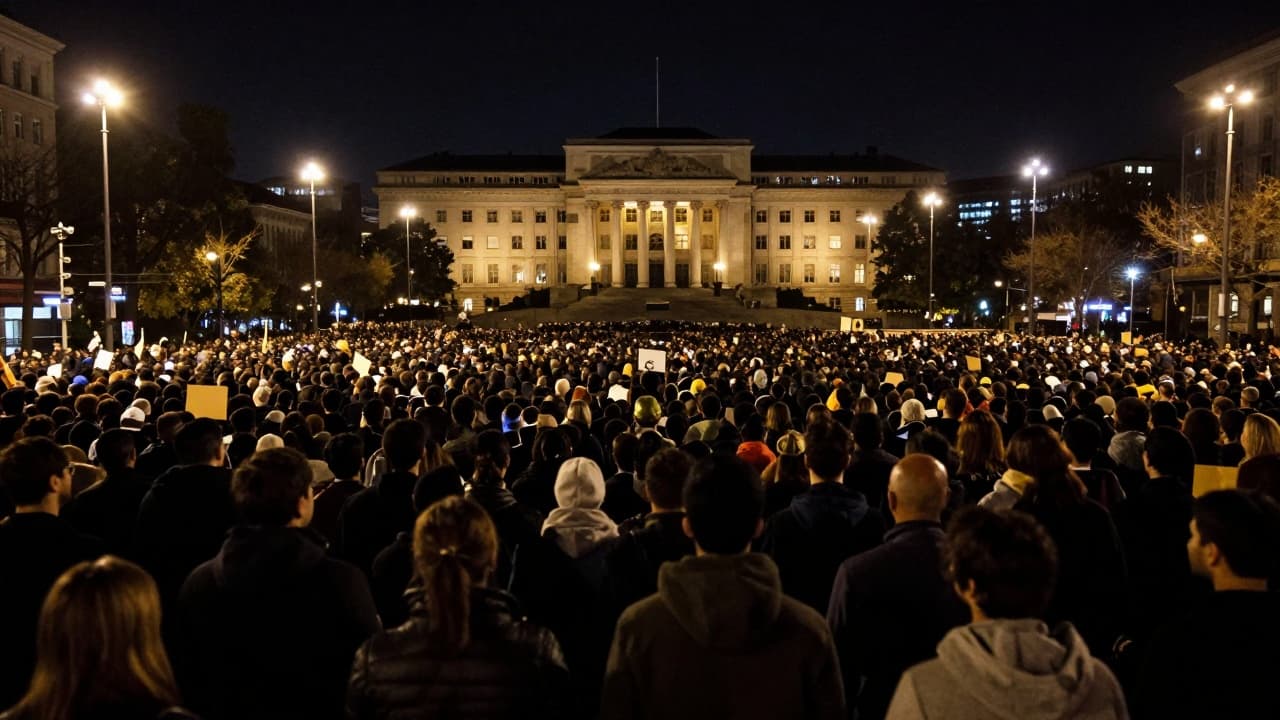
Marjanovic described the mechanism of operation of party provocation groups tasked with securing and inciting incidents, with a particular focus on the so-called "Cacilend", a camp of supporters of Aleksandar Vucic located in front of the Serbian Presidency building in Belgrade. According to his claims, this camp operated as a headquarters for regime forces and a counterweight to mass civic protests following the tragedy in Novi Sad. He stated that more than a hundred organised men were constantly present in the area in front of the Presidency, at least a hundred of whom were armed with firearms, mostly pistols carried in bags or under jackets.
"While I was walking through Cacilend, I saw plenty of people with revolvers that they were not even hiding. Some wore them on their belts, some behind their backs. There were no long guns, but a large number of people carried revolvers. Certainly a hundred," Marjanovic stated. He added that his daily rate for leading the street group of so-called "Cacs" was 500 euros, while ordinary "foot soldiers" under his command received 200 euros per day.
Marjanovic claims that money for the engagement of these people was paid directly into hands in cash in the office of the director of a Novi Sad public enterprise. He levelled the allegations against Nenad Barc, director of the Novi Sad Heating Plant and an SNS member, who, he says, personally issued him instructions, approved the number of people to be engaged, and paid the money for their activities. "I reported to him how many people were going. He approved the number and told me how many were needed. I took the money directly from him and paid the men I led to Cacilend and other gatherings," Marjanovic said. When the director was not present, the cash waited for him at his secretary's desk, and he collected the money in Barc's office in the Novi Sad Heating Plant building. He estimated that since the roof collapse in Novi Sad, he had personally collected between 350,000 and 400,000 euros from that public enterprise to finance regime street operations to break up civic and student protests. The director of the Novi Sad public enterprise did not wish to speak to journalists on this matter.
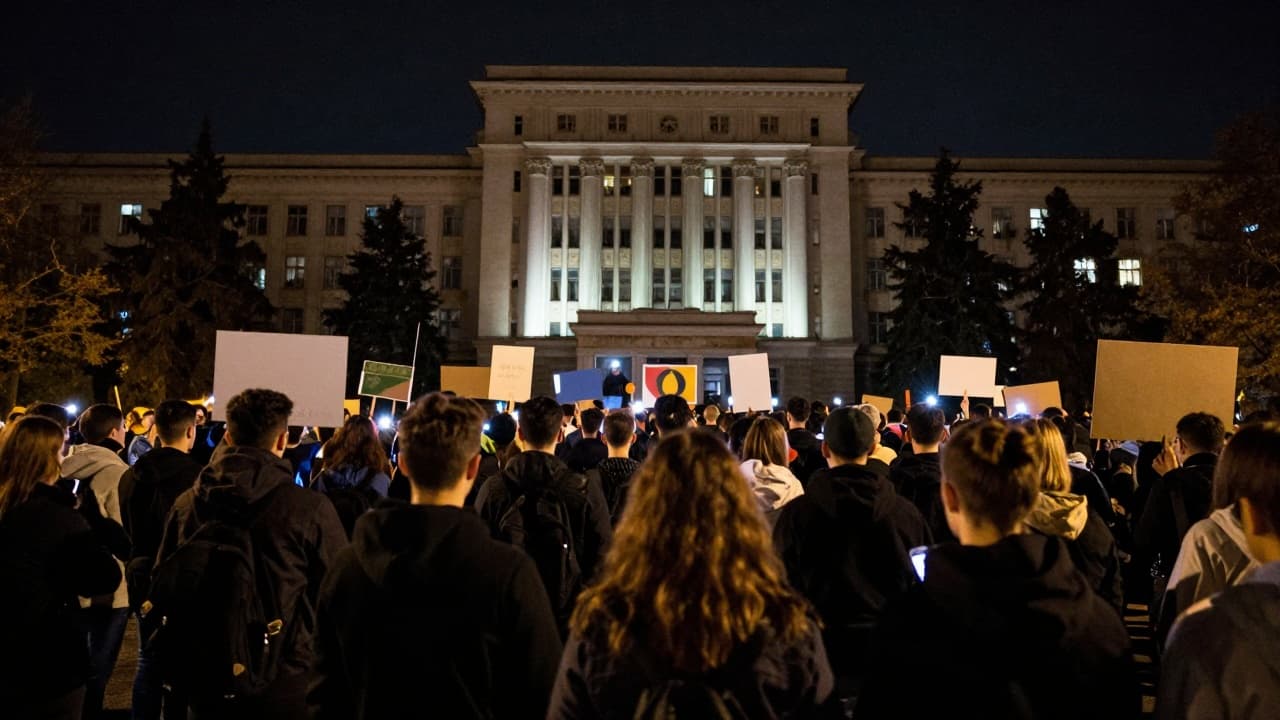
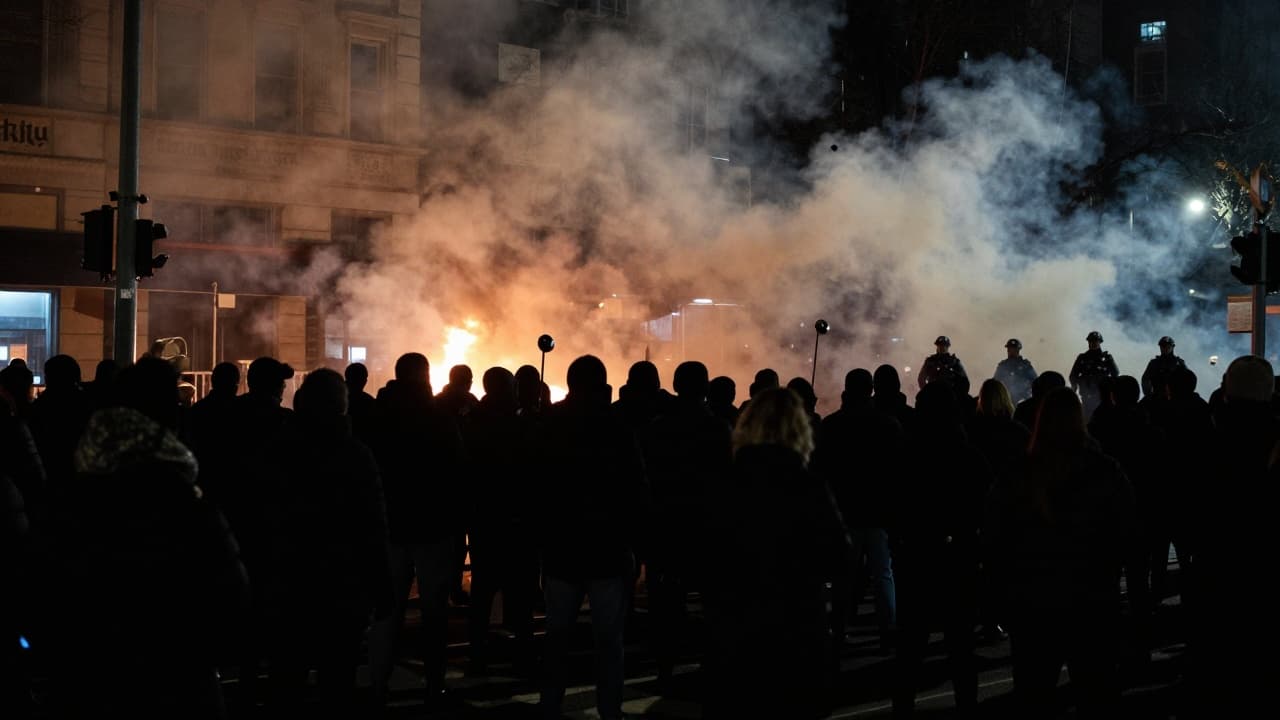
Marjanovic confirmed that the main task of pro-regime groups was to cover the most risky points at mass protests by students and the opposition. He claims the goal was to spread fear, use physical force, and intimidate citizens, often without any direct provocation. He also described the practice of infiltrating party provocateurs among students with the aim of inciting clashes with the police cordons so that protests could be portrayed in the media as wild and violent. Members of these groups enjoyed full protection from police action and, in case of encounters with regular patrols, invoked special contacts and agreed codes to protect their immunity.
Marjanovic personally participated in pro-regime operations at several protests in Serbia, including gatherings in Belgrade, Backa Palanka, Backi Petrovac, and Novi Sad, and admitted that most clashes at protests were pre-staged. He actively participated in organising several violent provocations. In one intervention outside the SNS offices in Novi Sad, he was himself hit by a bottle in the mouth and a stone in the leg, and he believes he was hit by his colleagues, i.e. Vucic's men sent for the same task.
In addition to organising incidents, Marjanovic spoke about established electoral manipulations in which he also participated, including mass vote buying for Vucic and the SNS. According to his claims, activists like him received cash in hand to ensure the turnout of so-called safe voters at elections. "Usually a vote at elections cost around 100 euros, and now I hear they give much more: at the next elections, it is said they will give 400 or 500 euros per vote," he testified. He added that he had received a salary for years at a municipal enterprise in Novi Sad, and never had to go to his workplace. Formally, he was employed by the company through a youth cooperative. "These are phantom jobs, as they call them. I am not the only one, unfortunately. They tell you right at the beginning: 'We pay for your services by giving you a regular salary.' I never went to work, but I regularly received my salary," Marjanovic stated, concluding that he had been disillusioned by his employers.