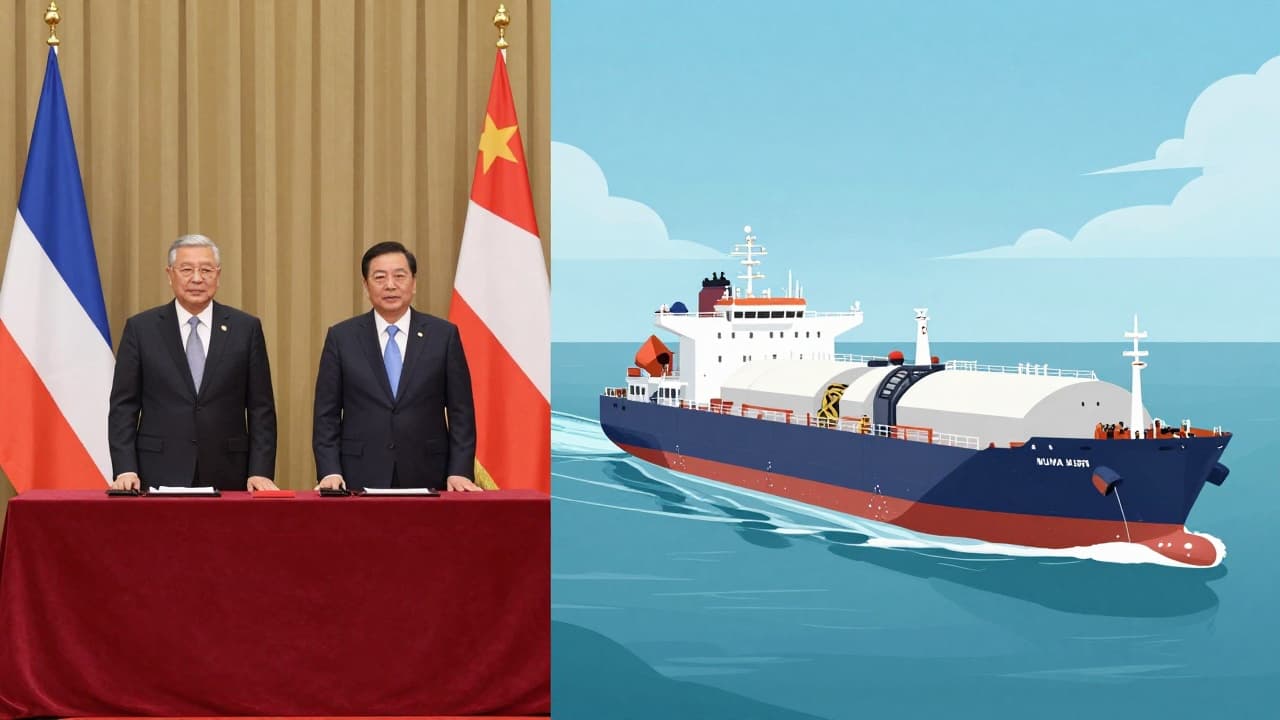
Donald Trump stated that a deal has been reached for the complete disarmament of Hamas and all other armed groups in Gaza. His Board of Peace declared the announcement historic and a critical step towards stability in the region. According to reports, the agreement includes the withdrawal of Israeli military forces from the territory of Gaza.
The goal of the agreement is for a new Palestinian government, which would cooperate with the Board of Peace, to manage Gaza in the future. Hamas has confirmed it accepts the deal, but at the same time warned that if Israel does not honour its obligations, Hamas will not respect the agreement. This mutual threat indicates the fragile nature of the negotiations.
Despite official announcements, briefings from both sides of the conflict revealed significant disagreements regarding the implementation of the deal. Responses from officials in Israel and Hamas suggest that key issues have not yet been resolved and that disagreements remain. This creates uncertainty about whether the peace plan will actually be implemented on the ground.
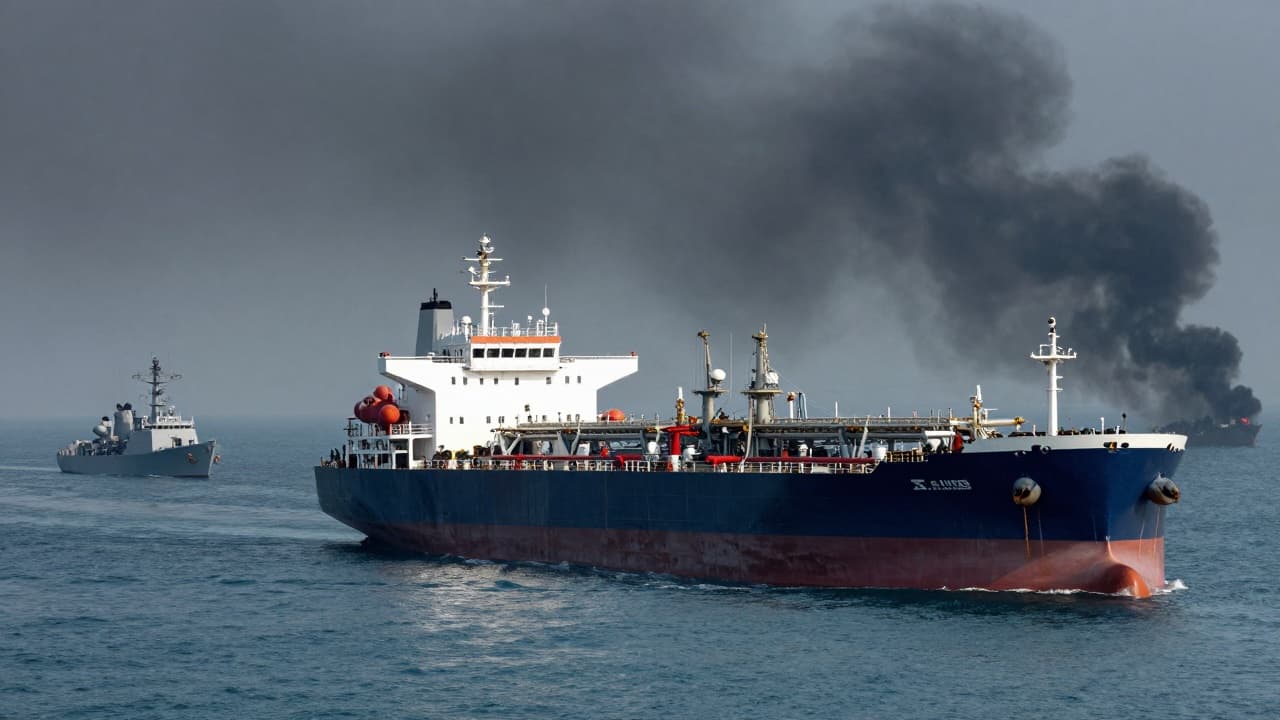
Meanwhile, the situation in the wider region remains tense. A liquefied natural gas (LNG) tanker controlled by Qatar Energy left the Strait of Hormuz on the night of 29 July. This was the first such vessel visible on ship tracking data to leave the waterway since 11 July, a fact confirmed by data from Kpler and LSEG.
The tanker, named Al Areesh, loaded its cargo at the Ras Laffan terminal in Qatar between 4 and 6 July. The continuation of such deliveries is important for energy security, but geopolitical pressures are rising. The US has recently launched attacks on Iran following a short pause of a few days.
These military actions have raised fears that the conflict could escalate to a wider level. As negotiations in Gaza continue to face obstacles, the escalation between the US and Iran further complicates diplomatic efforts. Both events are unfolding simultaneously in the Middle East, creating a complex picture of regional instability.