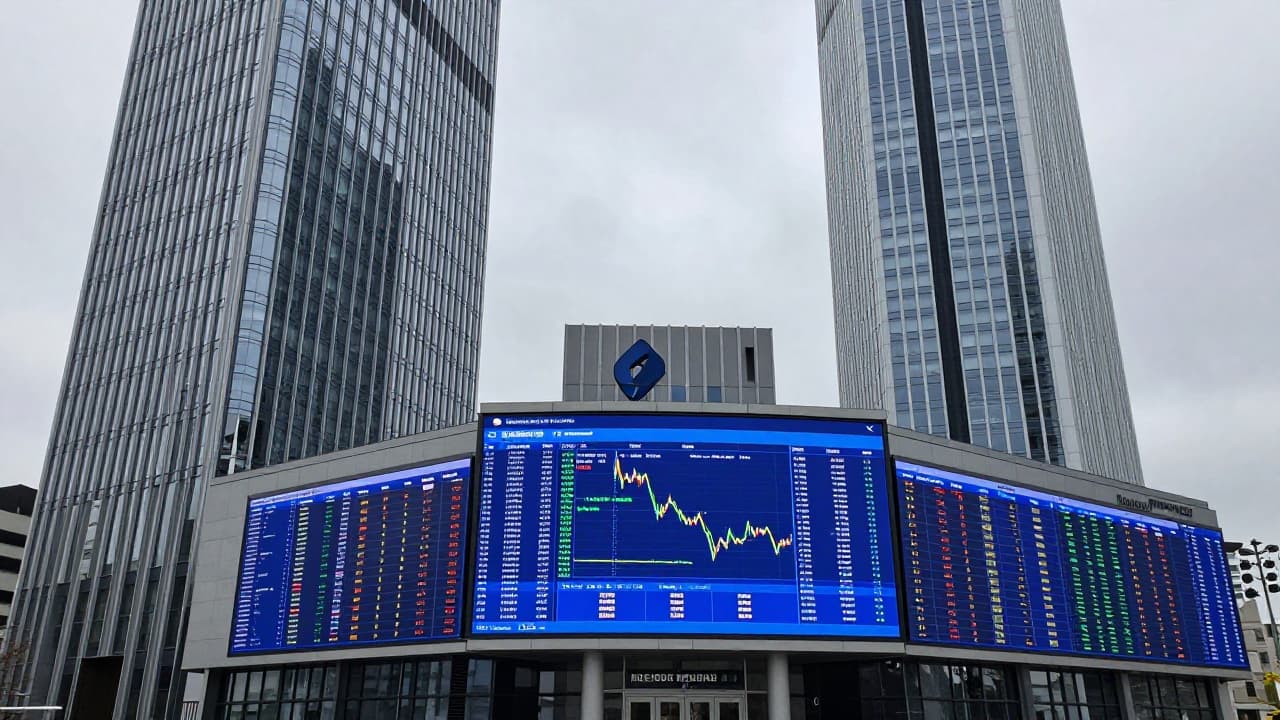
The Reserve Bank of Australia has decided to hold the cash rate at 4.35 per cent. This measure was widely anticipated by analysts and market participants, who have monitored the central bank’s monetary policy for years in the context of macroeconomic challenges.
This decision comes despite persistent concerns about high inflation, which continues to weigh on the economy. The central bank faces a dilemma between curbing price growth and maintaining stability in other key sectors of the economy.
Prior to this current decision, three consecutive interest rate hikes were implemented this year. These successive monetary policy tightening measures aimed to slow inflationary pressures, but their effects are now manifesting through changes in the property market.
A sharp decline in property prices is being recorded in Sydney and Melbourne. This negative dynamic in the housing market is a direct consequence of more expensive borrowing resulting from higher interest rates.
The fall in property values follows three earlier interest rate hikes and significant reforms to investor taxes. The combination of these measures has significantly influenced investor behaviour, contributing to a reduction in demand and prices in Australia’s largest cities.