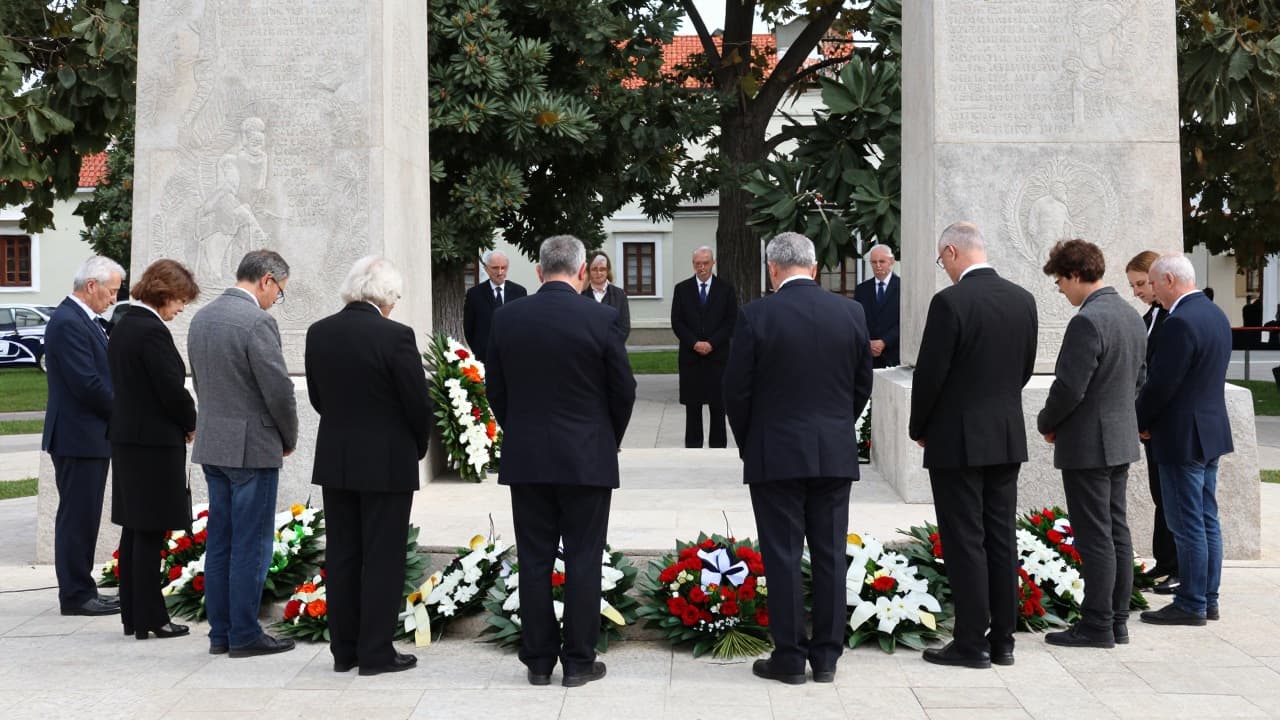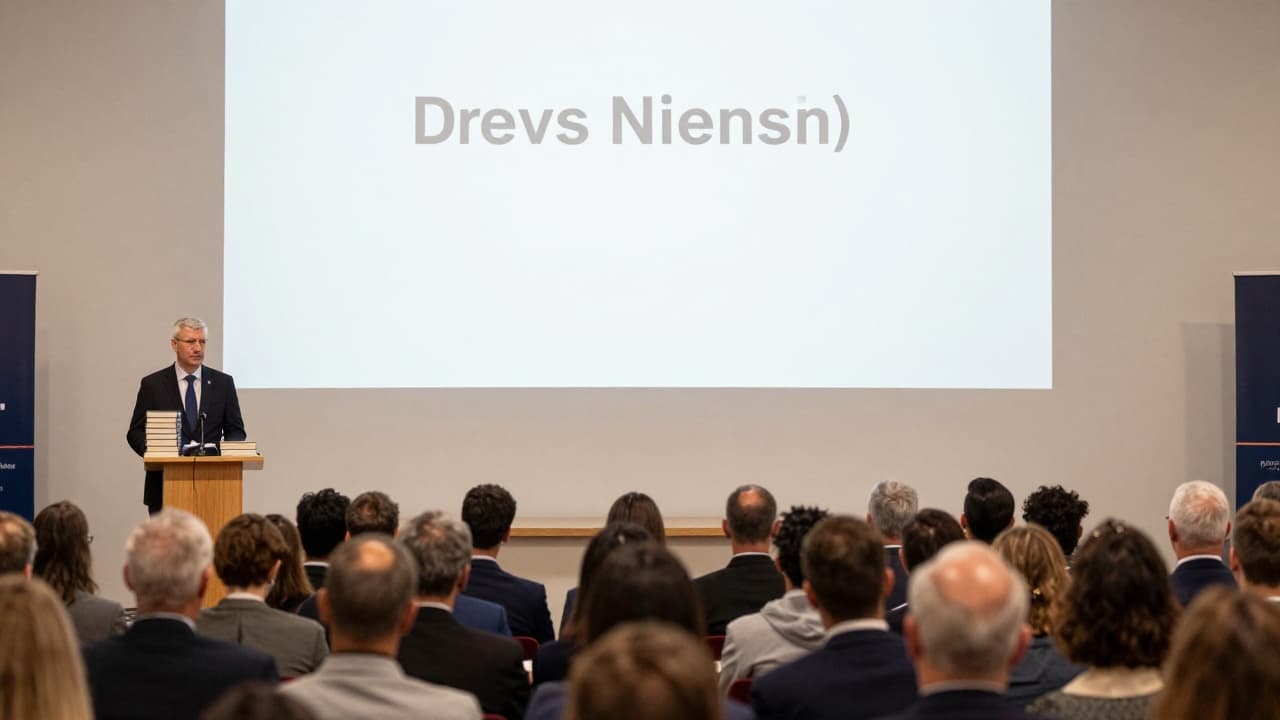
The 100th anniversary of Miko Tripalo's birth was marked by the presentation of a collection on his political work, ideas and the values he championed. The event was held at the Journalists' House, and former President Stipe Mesić was also present.
President Zoran Milanović said at the presentation that Tripalo was a "constant and variable of Croatian politics". Milanović spoke about the different periods of Tripalo's life, from his departure to join the partisans and participation in the anti-fascist struggle to his role in the Croatian Spring and subsequent political activity. He recalled that Tripalo, together with Savka Dabčević-Kučar, was one of the leading figures of the Croatian democratic and national movement in 1971.
"Tripalo was a gentleman who did not provoke any negative emotions. He always spoke meaningfully, coherently, compactly, logically, with value judgements. He is a constant and variable of Croatian politics, a man whom we cannot define unequivocally because he himself changed throughout his life", Milanović said.
Historian Tvrtko Jakovina spoke about Tripalo's place in Croatian and Yugoslav politics. He recalled that Tripalo came from a respected and privileged family, but despite this decided to join the partisans. Jakovina also touched on Tripalo's political activity during the 1960s, when he participated in discussions on the economic reform of Yugoslavia. Tripalo advocated for lower taxes, greater freedom for enterprises and the development of a market economy.
Political scientist Tihomir Cipek highlighted that a continuity can be traced through Tripalo's political ideas, from his advocacy for republicanism, federalism and confederalism to the idea of an independent Croatia. "Tripalo's political thought was based on linking freedom and democracy with social justice", Cipek said.
Sociologist Dario Čepo spoke about Tripalo's attitude towards political power. He highlighted that Tripalo had all the possibilities for political success and personal gain, but decided to use his position to improve society. He also emphasised that Tripalo's legacy is not only political and activist but also intellectual.
The editor of the collection, Goran Sunajko, said that Tripalo, through his political work, arguments and personality, gathered people of different political convictions and enjoyed respect on both the left and the right. "Tripalo was the only one who had the courage to say what others were not allowed to say, and his speciality was the ability to connect people rather than divide them", Sunajko stressed.
Miko Tripalo was born on 16 November 1926 in Sinj, and died on 11 December 1995 in Zagreb. He was one of the leading figures of the Croatian Spring, a movement which in 1971 advocated for greater rights for Croatia within then-Yugoslavia.
The Miko Tripalo Centre for Democracy and Law was established in 2003 to promote democracy, the rule of law, human rights and European values. The Centre organises research and public debates, publishes publications and implements projects aimed at strengthening democratic institutions and encouraging citizens to participate in social life. The Centre's statement reads: "Continuing to act in the spirit of the values for which Miko Tripalo stood, the Centre seeks through its work to contribute to the development of an open, democratic and just society and to preserve his intellectual and political legacy".