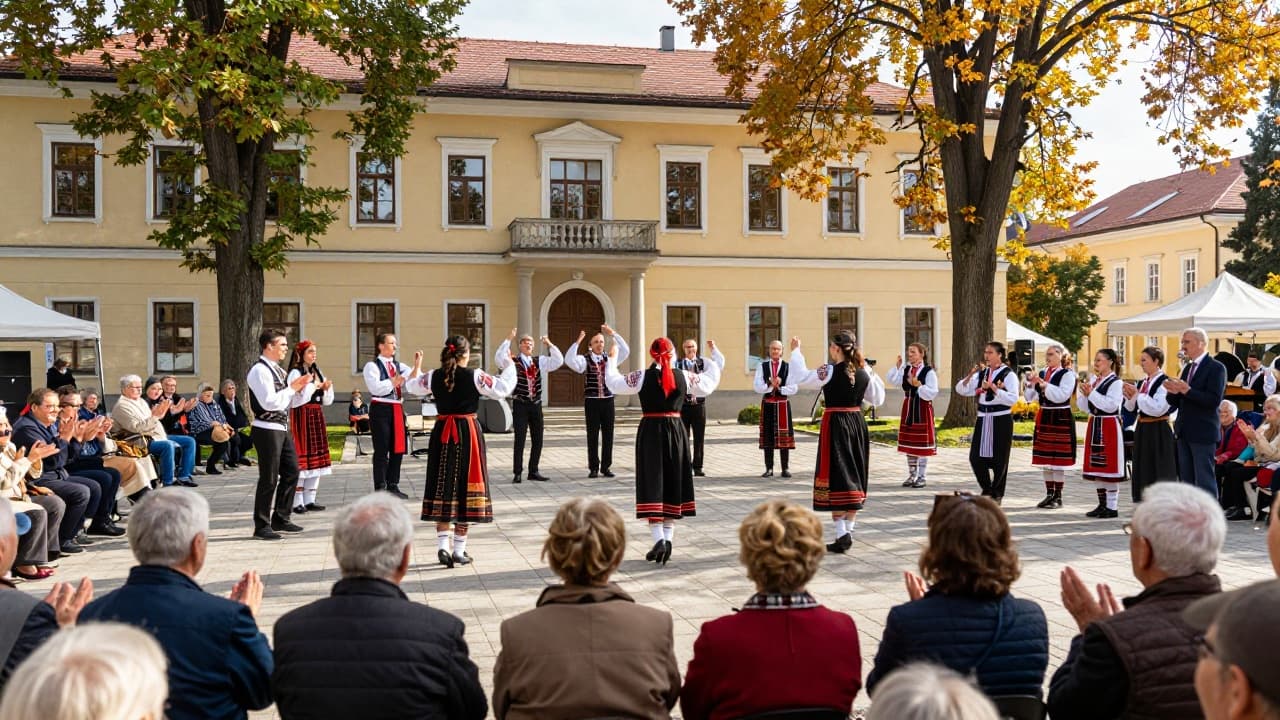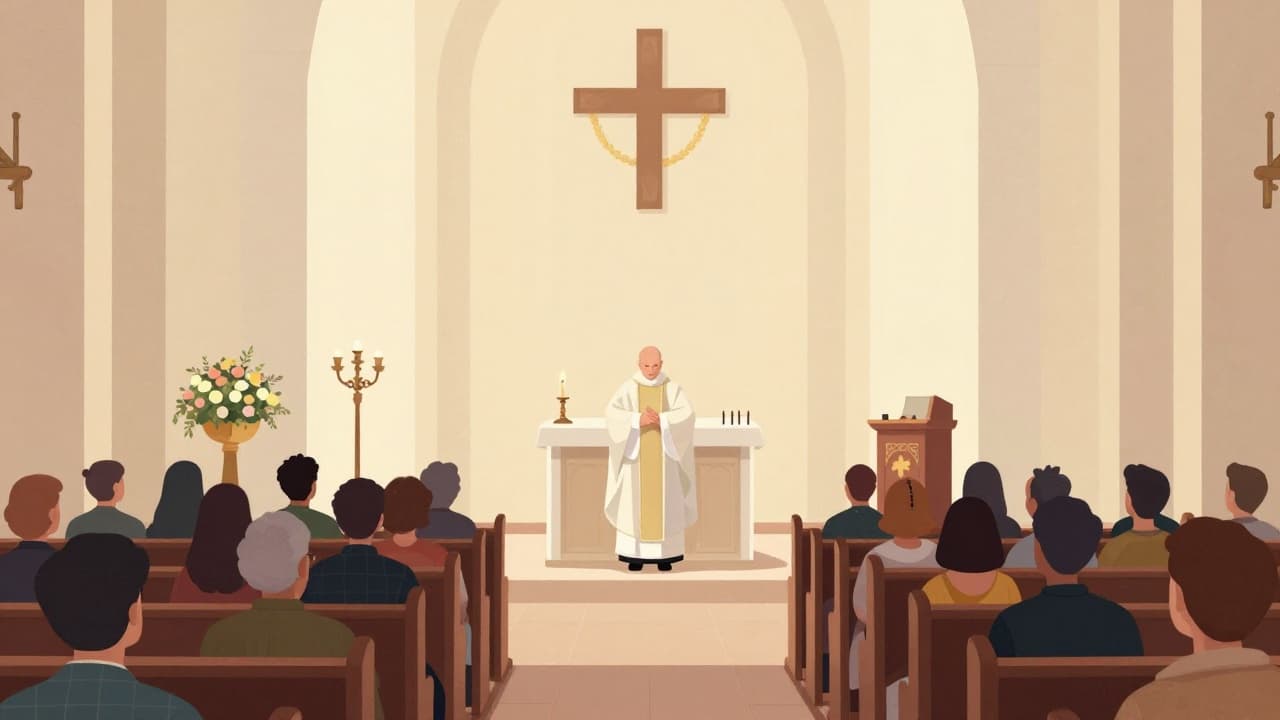
The spiritual gathering of veterans and their families took place on 26 September in Delnice, under the theme 'From traumatic experience to spiritual strength'. The gathering addressed wartime trauma, forgiveness, and its potential transmission to subsequent generations.
The gathering was organised by members of the 138th Brigade of the Croatian Army 'Ist Lion', with the support of the Ministry of Veterans, the Rijeka Archdiocese's Department for the Pastoral Care of Veterans, and the Municipality of Mrkopalj. The programme began with a mass at the church of St John the Baptist in Delnice, presided over by the local archbishop, followed by a panel discussion at the town library.
The introductory lectures were delivered by Father Mijo Nikić, Danijela Mihaljević, and Šimo Đulić, who spoke about confronting trauma, the intergenerational transmission of war experiences, and the importance of love and forgiveness. The panel, moderated by journalist Marinko Krmpotić, focused on how wartime trauma can affect the children of those who experienced it. Participants highlighted the need to confront one's own fears, so that love, rather than hatred, is passed on to future generations.
Archbishop Uzinić spoke of the need for remembrance without hatred and the acknowledgment of one's own mistakes. 'We must teach our young not to hate, but to remember. And remembrance, when not filled with hatred, leads to forgiveness,' he said. He also addressed the question of crimes committed during the Homeland War. 'For true healing to occur, the primary question is not the crimes committed against our side. The primary question for the possibility of reconciliation and healing is the crime committed by some in our name against others,' he stated. The topic drew reactions from some veterans, who pointed out that they had fought honourably and that those who had committed crimes on the Croatian side represented a small minority.
Father Mikić spoke of the importance of facing the truth. 'Truth, psychologically speaking, is painful. But psychologically and spiritually, what hurts you is also what heals you,' he said, adding that acknowledging one's own mistakes can be a painful yet healing process. 'The more courage we have to live in the truth, the closer we will be to God and the healthier we will be,' he added.
Danijela Mihaljević spoke from personal experience about wartime trauma and its transmission to children. Having lost her husband in the war, she highlighted the importance of facing what had happened. 'Confront the facts, be aware of who you are, but do not deny what was wrong. This does not mean that we are less valuable or that we love our country less,' she said. She noted that parents can transmit their trauma to their children even without speaking about it. 'We must find a way to free them from hatred and teach them love,' she said.
Šime Đulić spoke of the role of God's love in confronting the wounds of war. 'God is a father who can fill us with the love that our parents could not perfectly give,' he said, adding that one must 'break the chain of hatred'. The minister's envoy, General Ivan Pokaz, expressed satisfaction with the programme and proposed that new meetings be organised, focusing on spiritual and psychological support for veterans and their families. 'Each mass answers a number of questions that concern both the veterans and the subject we are discussing today,' said Pokaz.
In his homily, Archbishop Uzini spoke of forgiveness. 'We must cleanse our past. It is important to forgive others. It is not easy, but it is necessary for us. For unforgiveness is a burden we carry.' The spiritual gathering in Delnice concluded with an evening concert by Alan Hrgić.