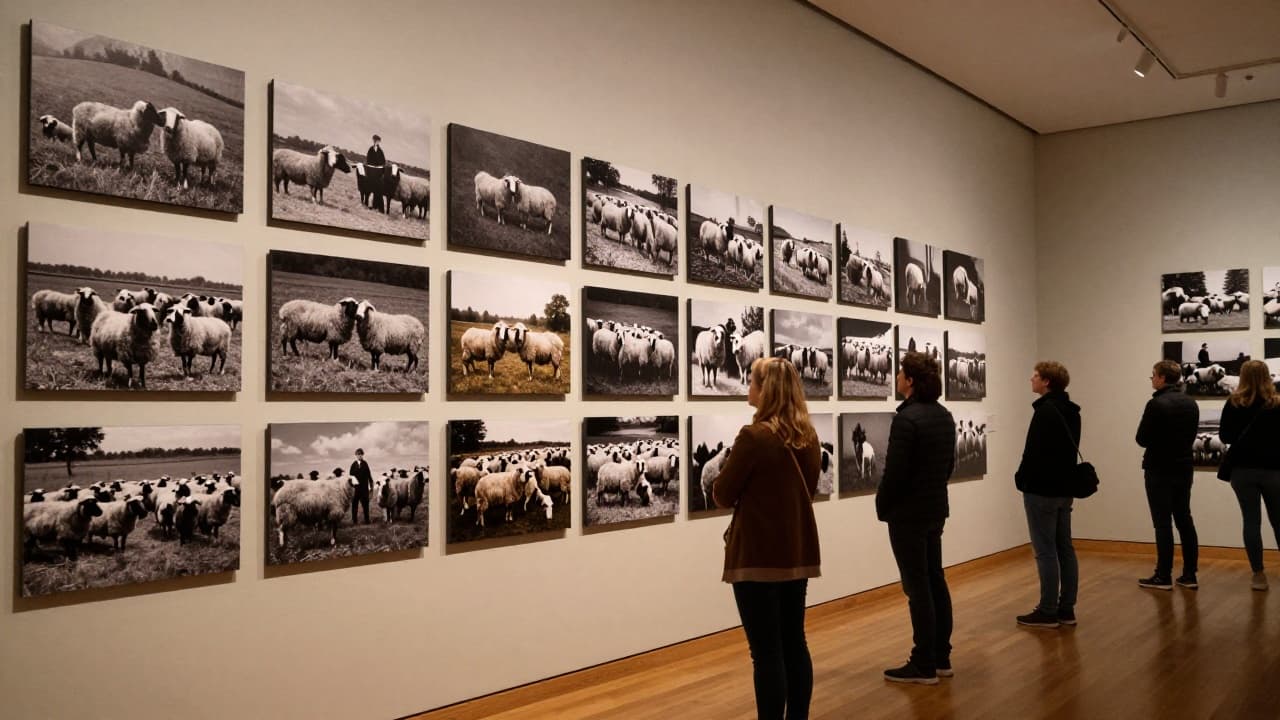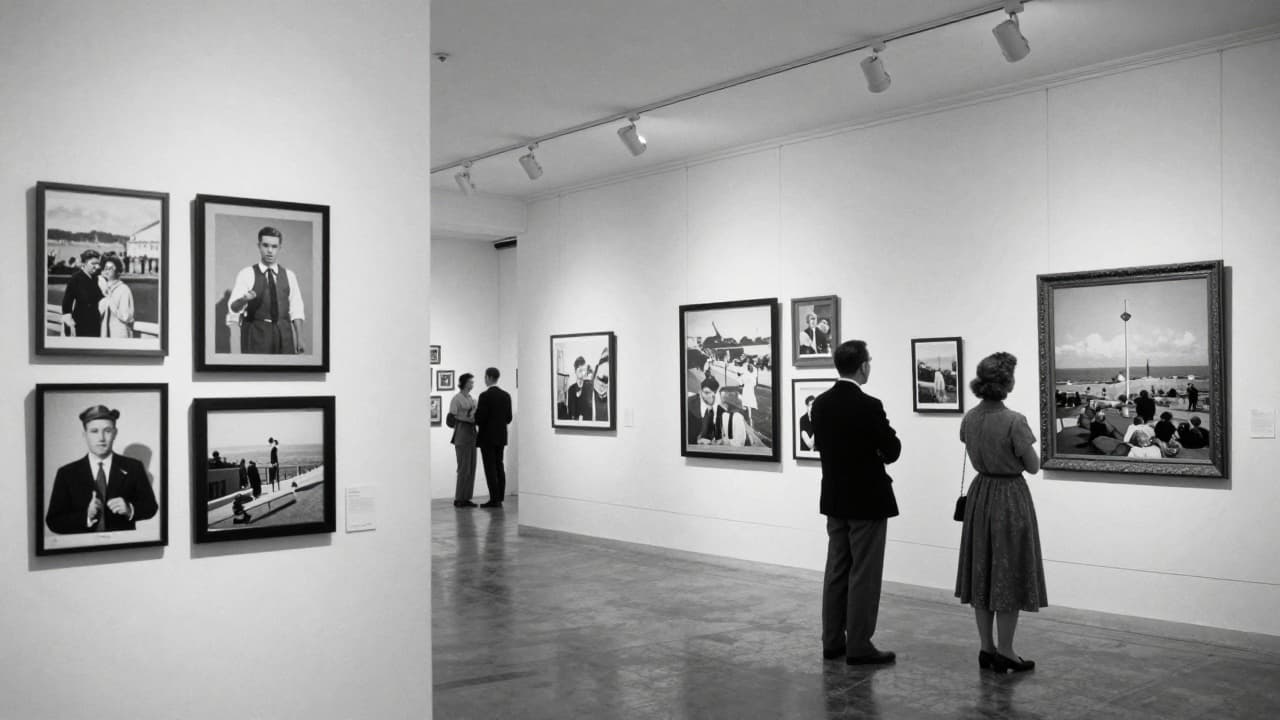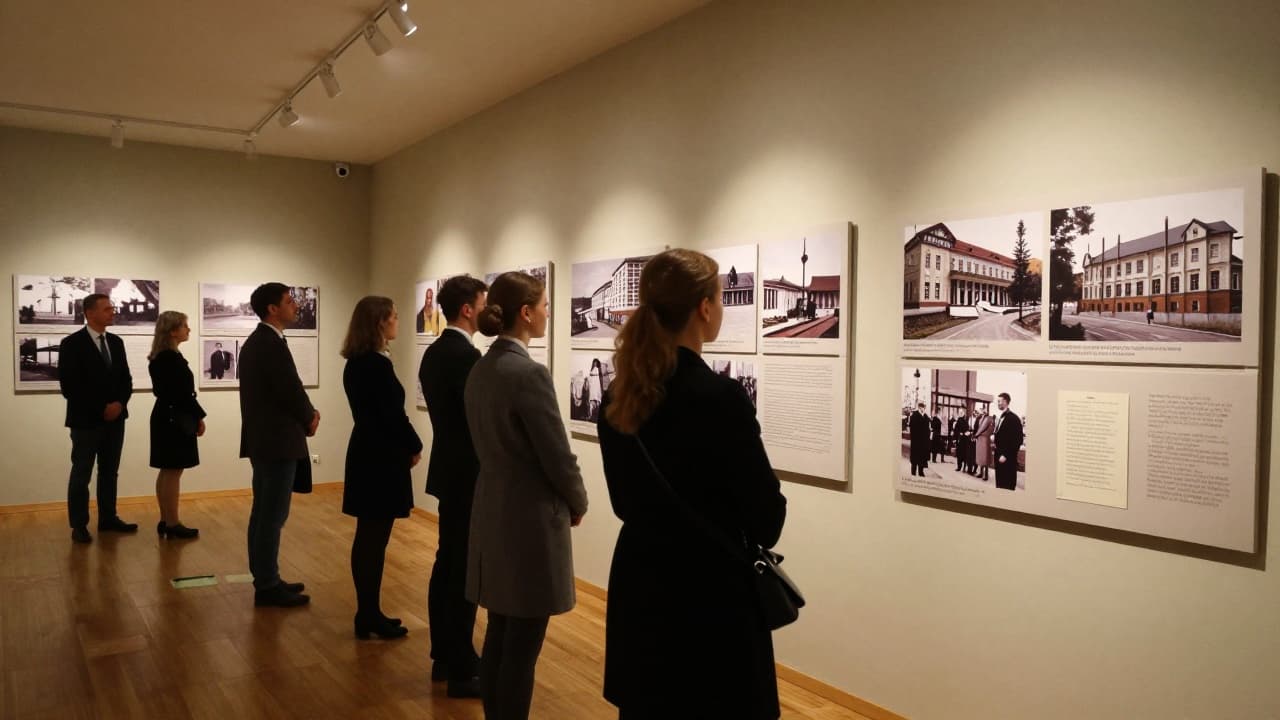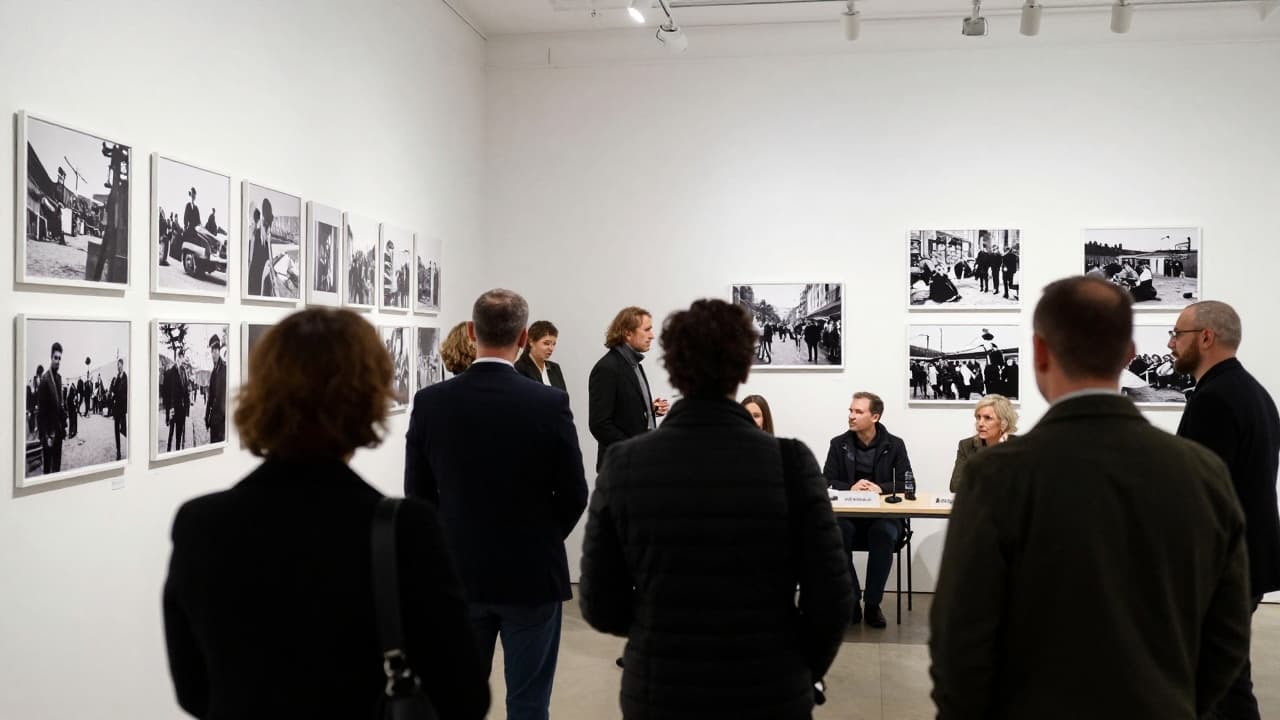
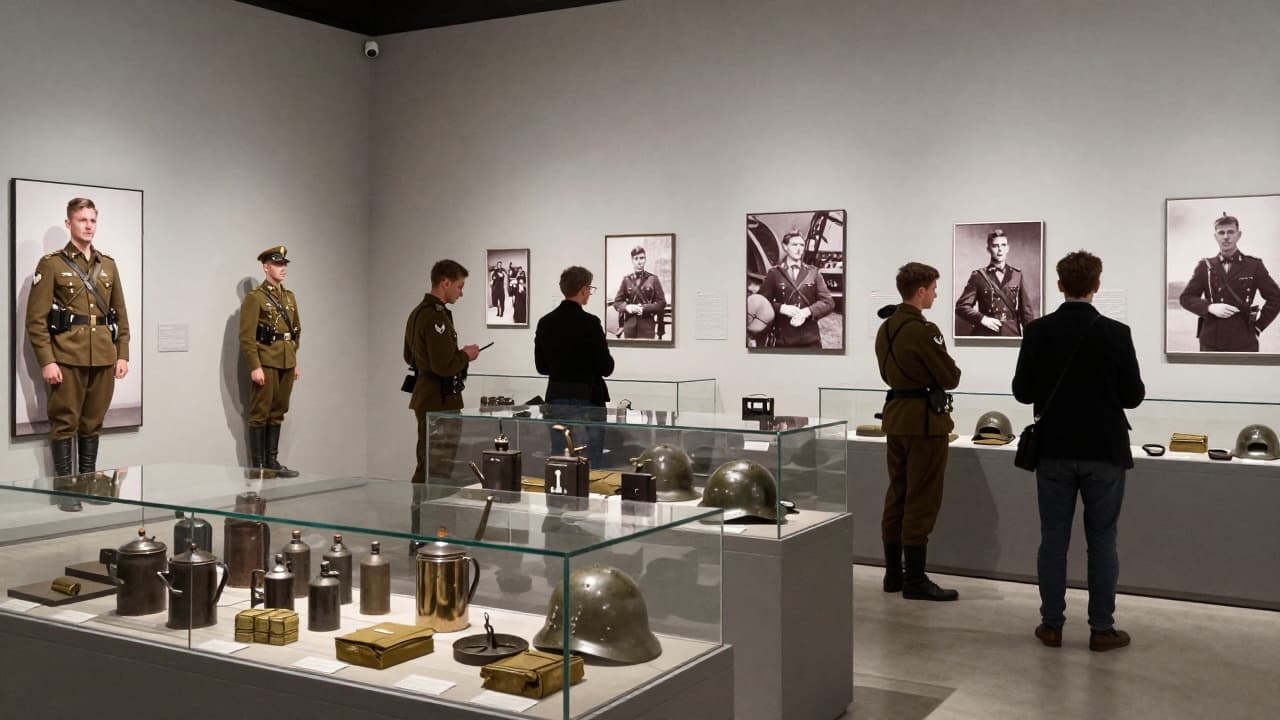
An exhibition by Viktor Gržinčić has opened in the cinema hall in Klana. Titled 'Old photographs of Klana soldiers who served in the Italian and Austro-Hungarian armies', the display features rare and valuable historical records of the fates of Klana residents and their role in turbulent historical periods.
Visitors have the opportunity to view old photographs that have been kept in family archives for decades over the next few days. The exhibition will remain open for viewing until 20 November, daily in two sessions — from 10:00 to 13:00 and from 16:00 to 19:00.
Gržinčić presents around 50 old photographs of Klana soldiers who served in the Italian and Austro-Hungarian armies. Alongside the photographs, visitors have the chance to see some old items from that period for the first time, specifically military equipment such as backpacks, food rations, helmets and similar objects. Half of the exhibition was prepared by Gržinčić's 12-year-old grandson, Fran.
Viktor Gržinčić is a Klana collector who has been gathering objects, photographs, sacred figures and military equipment for many years. The collector has been collecting for 60 years and is a member of the Croatian Collectors Association. He has held three solo exhibitions of old weapons, and for two and a half years his collection of old weapons was part of a permanent display in municipal premises. He also participated in several exhibitions of old Klana kitchens and in the restoration of the Ethnographic House Rebičina kiša, which opened in 2006.
He collected old weapons for many years, but due to health issues and age, he is no longer able to do so, and has therefore turned to ethnography and the written history of his area. He is planning an exhibition of sacred folk art soon, featuring a rich collection of figures, paintings and prayer books.
Many visitors attended the opening of the exhibition, including the mayor of the Klana municipality, Sanja Sušnik. She highlighted the importance of preserving historical heritage and memories of previous generations. The Klana municipality proudly supports such initiatives and will continue to strongly support Mr Gržinčić in his dedicated research work and all future exhibitions. Gržinčić thanked the Klana municipality, particularly Mayor Sanja Sušnik, for their approachability and understanding in organising and setting up this exhibition.