Vithabai Narayangaonkar was one of the greatest stars of Maharashtra’s folk theatre art and held the title of Tamasha Samradnyi – the Queen of Tamasha. Her life inspired the Bollywood musical Eetha, which is due for release on 4 December and stars Shraddha Kapoor. The film is directed by Laxman Utekar and is based on the Marathi book by Yogiraj Bagul, which chronologically describes Vithabai’s life.
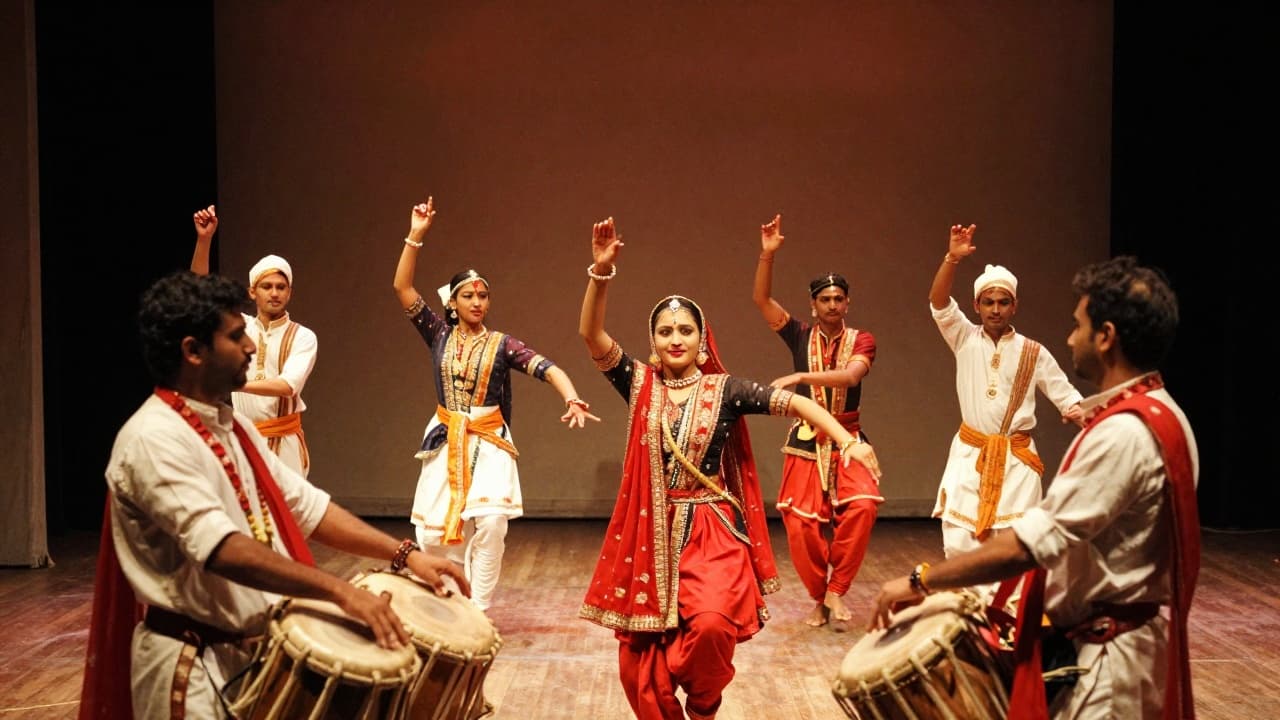
Tamasha evolved into a live mix of music, dance, comedy and drama, with Lavani at its heart – a tradition of song and dance performed to the rhythm of the dholki, a percussion instrument. Kapoor learned to dance for the role while wearing musical anklets weighing 4 kg each, despite never having performed Lavani before. Utekar says Eetha is not a biographical film and he decided to rename the protagonist Vithabai Bhau Gavkar instead of Vithabai Bhau Mang Narayangaonkar. Critics argue that much of Vithabai’s history is contained in her name – Mang linked her to the historically oppressed Dalit community, while Narayangaonkar spoke to her family’s roots in the village of Narayangaon. Both were part of the name of the troupe she inherited from her father – the Bhau-Bapu Mang Narayangaonkar Tamasha Mandal.
Vithabai was born during a Tamasha performance in 1935. Her mother Shanta continued to travel with her husband Bhau’s troupe during her pregnancy. Vithabai joined a theatre group at the age of eight and her father’s troupe at 13. After her father and co-leader Bapu died one after the other, she took over the troupe with her husband and a cousin. Her career flourished during the golden age of Tamasha. In the 1960s, during a performance in the village of Shikhar Shingnapur in the western Indian state, Vithabai went into labour. She returned to the stage carrying her newborn son, the seventh of her eight children. Her daughter is veteran folk artist Mangala Bansode. Vithabai performed three months after giving birth.
During the Indian war with China in 1962, Vithabai performed for soldiers in the North-East Frontier Agency, today largely Arunachal Pradesh. At a 1996 conference, she recalled meeting soldiers from the historically oppressed Mahar and Mang communities at the border. Despite offers from leading filmmakers, including Raj Kapoor, and roles in Marathi cinema, Vithabai refused to leave the theatre. She believed film fame would benefit only her, while her troupe supported around 50 families. Many Tamasha performers, including Vithabai, came from oppressed castes, and she spoke openly about caste and the humiliations faced by Tamasha artists. In a 1960s Lavani documented by historian Shailaja Paik, Vithabai rebuked men for their lewd gestures.
Yogiraj Bagul describes a performance in Mumbai during Diwali in 1971 in his book. Despite the threat of rain, audiences insisted on buying tickets. They said the money would be their gift to Bhau Beej Vithabai if the show was cancelled. When the rain arrived, people left chanting: 'Bhau Beej, Bhau Beej.' No one asked for a refund. Her husband Maruti Sawant managed the troupe’s finances poorly and took out loans in her name. By 1982, when she left him, she was heavily in debt. Bagul writes about a 1986 column in a Marathi daily that revealed the Queen of Tamasha was now travelling on public buses and staying in cheap accommodation. Vithabai was forced to disband her troupe in 1990, the same year she received the Sangeet Natak Akademi Award, one of India’s highest honours for performing arts. She successfully campaigned for state pensions for Tamasha artists. Marathi writer Pradnya Daya Pawar says many of the hardships Vithabai knew still exist today, with troupes spending nearly eight months a year on the road. Vithabai died more than two decades ago.