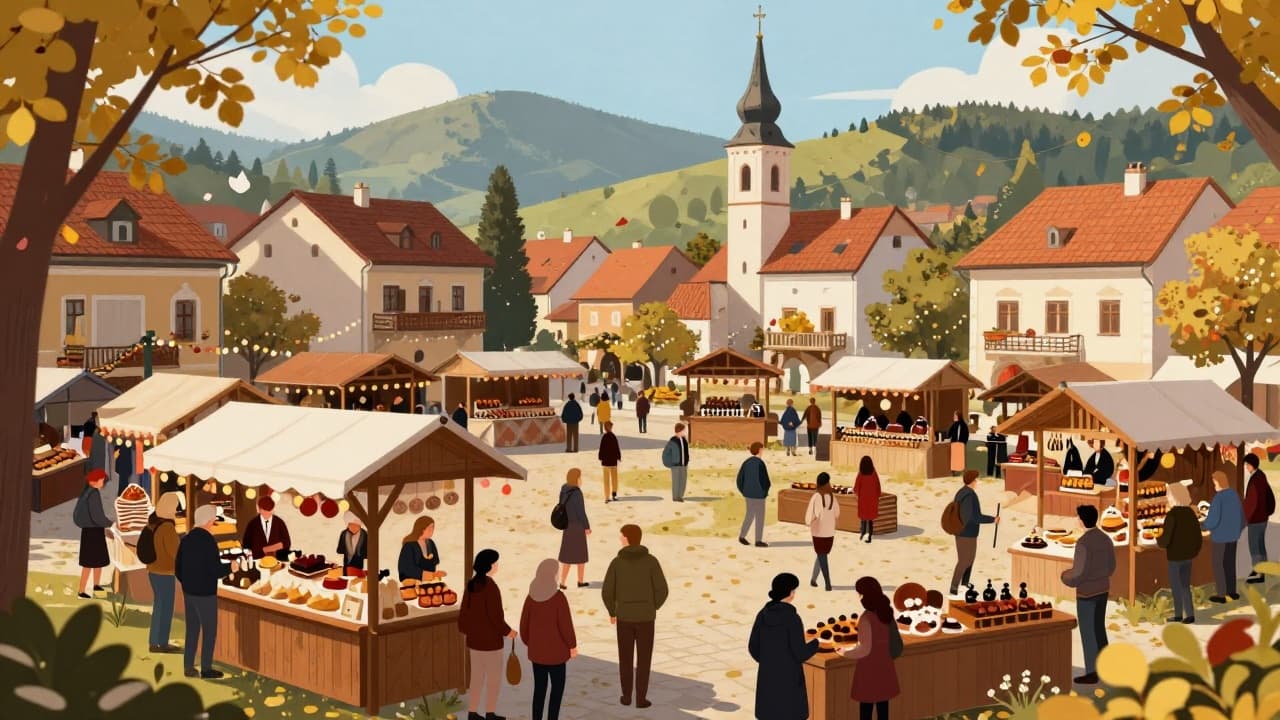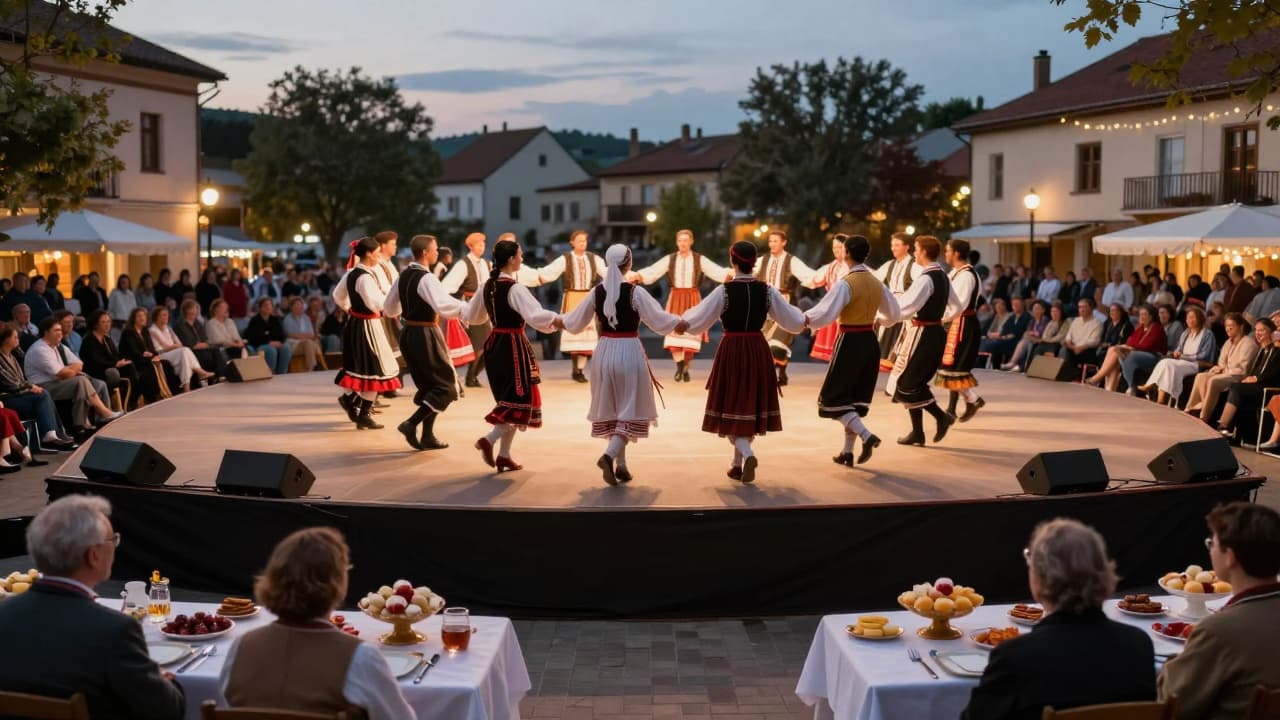
The 'Hrvatska ruža' women's association is organising the 24th traditional pig slaughter in Jagnjedovec, which will take place on Saturday at the fire station in Jagnjedovec. The gathering is scheduled from 17.30 to 18.00, followed by a short programme, dinner and festivities until the early hours of the morning.
Pig slaughter, known in the folk tradition as 'kolinje', has never been merely a task of preparing and preserving meat for winter in rural households. It is part of the tradition, folk customs, family gatherings and community spirit that has been passed down from generation to generation. Although it is now less commonly seen in rural courtyards, the pig slaughter still holds a special place in the life of rural communities.
Late autumn is traditionally the time when, after a year of raising and feeding pigs, this important seasonal task is undertaken. The pig slaughter represented a celebration of abundance and the culmination of a household's year-long effort, ensuring home-made meat delicacies for the festive table, particularly for Christmas and Easter, but also for everyday family meals throughout the year.
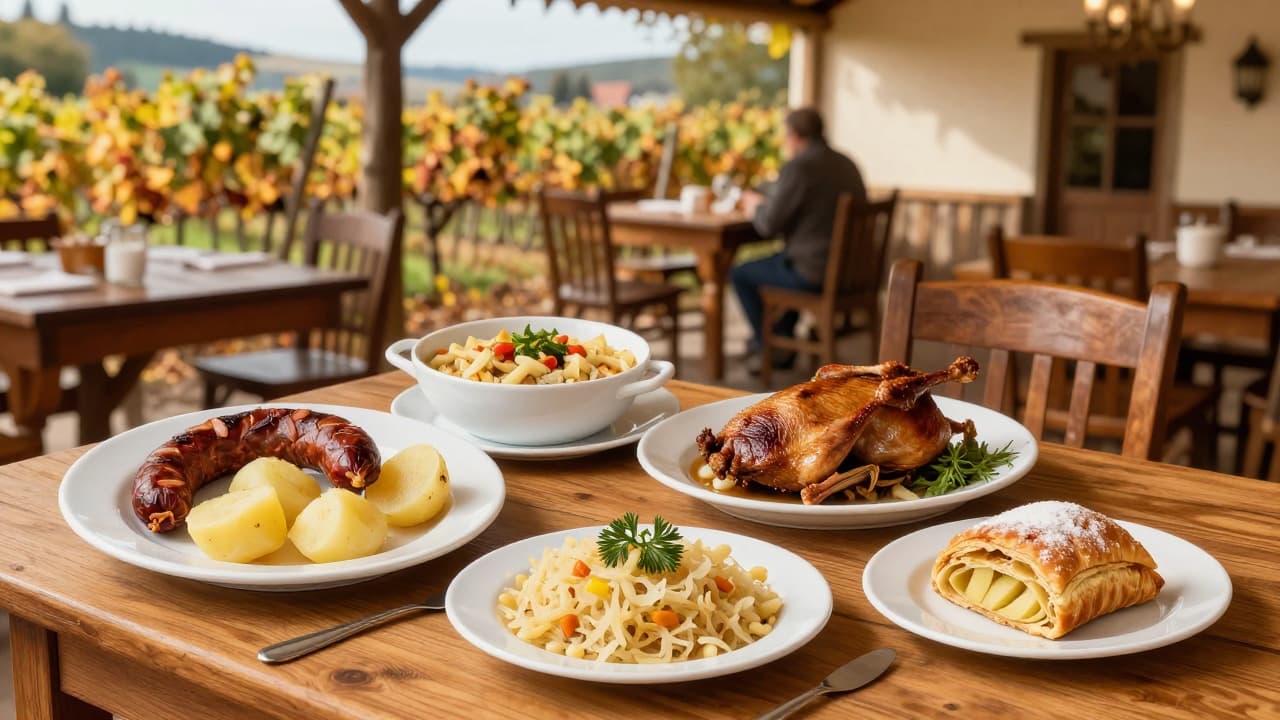
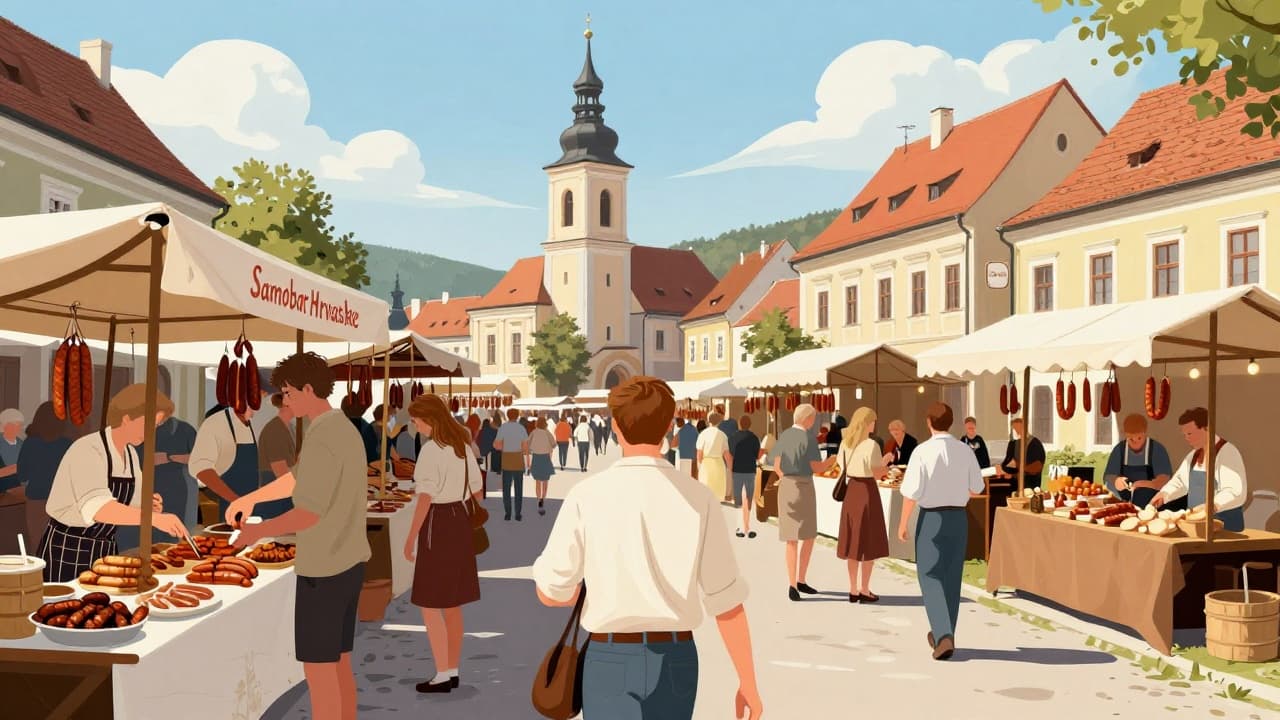
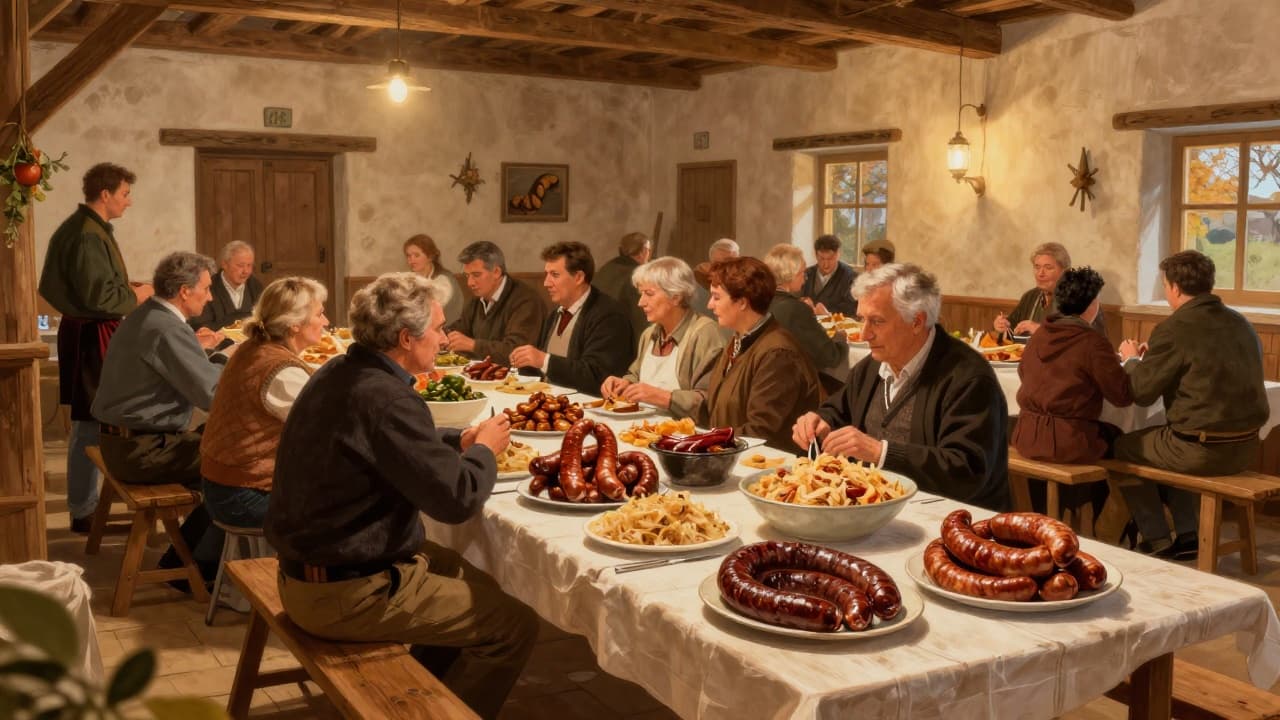
At the Jagnjedovec pig slaughter, the focus will be on traditional dishes and flavours of the region, featuring boiled pig's blood greens, sausages and blood pudding. For Jagnjedovec, the pig slaughter is not just a reminder of a former way of life, but an important event that preserves traditional customs, gastronomic heritage and local identity.
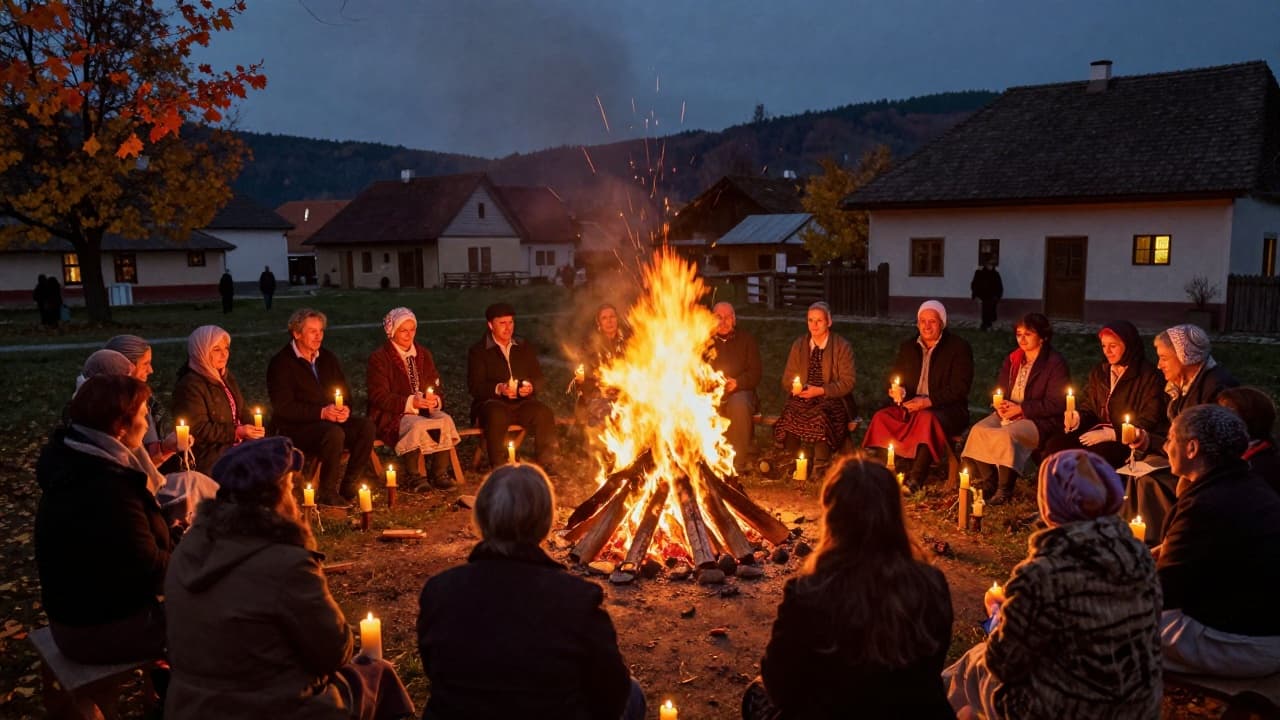
The special value of the pig slaughter lies in the gathering of residents, the nurturing of community spirit and intergenerational socialising, as well as the transfer of knowledge and skills to younger generations. Particular emphasis is placed on the active involvement of women in the cultural and social life of the community.
The Jagnjedovec pig slaughter thus becomes more than a gastronomic event – it is a meeting of past and present, an opportunity for socialising and preserving customs, and a promotion of Jagnjedovec as a place of rich tradition, hospitality and community. As the folk proverb says: "Better that the village perish than the custom."