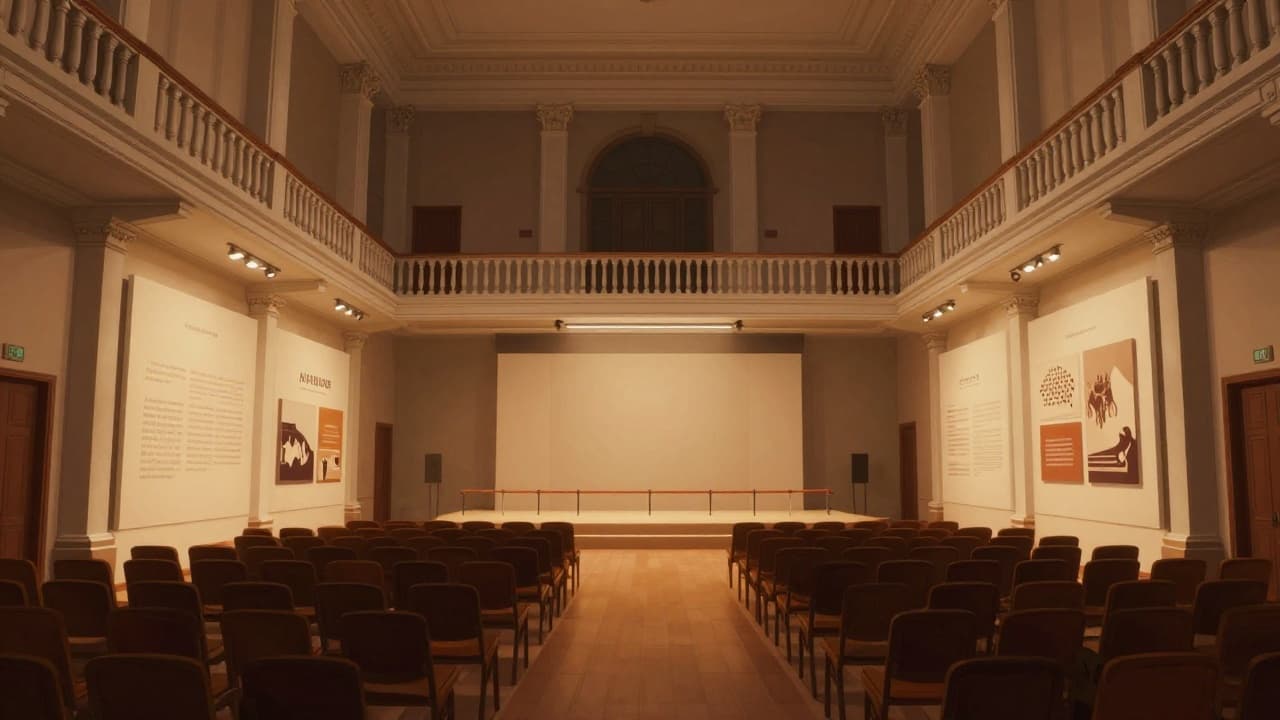

A lecture by Dr Anica Bili was held at the municipal library in Ilok. The lecture was held on the occasion of the 640th anniversary of the birth and the 570th anniversary of the death of St John of Capistran, as well as his participation in the defence of Belgrade from the Ottomans.
As Anica Bili pointed out, few people know when and why the noon bell is rung in the Christian world. The theme of the lecture stems from several important anniversaries, which aim to revive the memory of events significant to the cultural identity of this region and Christian Europe.
The central place in the lecture was occupied by the defence of Belgrade in 1456. The city was defended from the Ottoman army by the forces of the Hungarian general János Hunyadi and the papal envoys John of Capistran and Cardinal Carvajal. The siege lasted from 4 to 22 July, and the Christian army managed to defend Belgrade, which was then considered the 'key to Europe'. Sultan Mehmed II the Conqueror was wounded and withdrew with the remaining army.
The news of the victory reached the Vatican on 6 August. Pope Callixtus III decreed that on that day the feast of the Transfiguration of the Lord should be celebrated, and he issued an edict by which the noon bells in churches were to mark the victory and call for prayer for help in stopping the Ottoman conquests.
The victory was soon overshadowed by the plague. Hunyadi died of it on 11 August in Zemun, while John of Capistran fell ill in the Franciscan monastery in Ilok. He died on 23 October 1456 and was buried in Ilok, where his grave became a place of pilgrimage and veneration.
Bilić recalled the rich Croatian Capistran literary and cultural heritage. She pointed out that St John of Capistran is still particularly strongly present in Ilok and that for more than half a millennium he has been present in the cultural memory, whose bearers are priests, historians, writers and artists.