A large study from the United Kingdom has shown that the use of GLP-1 drugs may be associated with an increased risk of regurgitation of stomach contents during anaesthetised procedures. The drugs in question include Ozempic, Wegovy and Mounjaro, which have become extremely popular in the treatment of diabetes and obesity in recent years.
Researchers analysed data from more than 47,000 patients who underwent planned or emergency medical procedures under anaesthetic care. Patients taking GLP-1 drugs had a rate of regurgitation and/or pulmonary aspiration approximately 11 times higher than those not taking them. Among those taking the drugs, the rate of pulmonary aspiration and/or regurgitation was approximately one in 71, compared with one in 802 among those not taking them. Experts, however, stress that the absolute risk remains low.
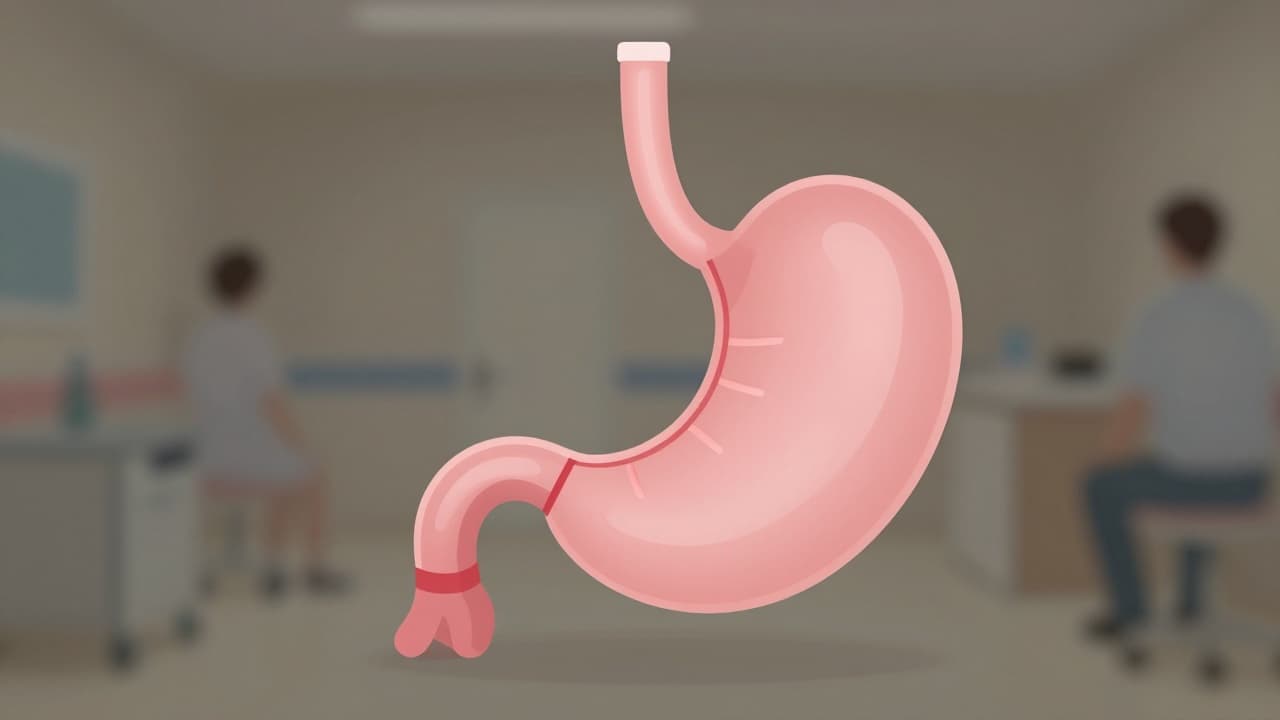
The explanation lies in how GLP-1 drugs work. They slow gastric emptying, which can help regulate appetite, but this same effect could pose a problem during anaesthesia. Patients are typically instructed to fast for a certain period before surgery to ensure the stomach is empty. If stomach contents return to the oesophagus and mouth, the patient under anaesthesia has no normal control over their body, and there is a risk that contents may enter the lungs, potentially causing lung injury or airway obstruction.
Regurgitation was particularly noted during waking from anaesthesia, though cases were also recorded at the start of and during the procedure. Among the 1,348 patients taking GLP-1 drugs, only two cases of pulmonary aspiration were recorded. Researchers warn that the sample size is not large enough to draw firm conclusions about the risk of aspiration itself. The study does not prove that GLP-1 drugs directly cause complications during anaesthesia, and obesity and diabetes, the conditions for which these drugs are often prescribed, are themselves known risk factors for pulmonary aspiration, which may have influenced the results.
Almost a third of patients using GLP-1 drugs were advised to stop the medication eight to 14 days before the procedure. Researchers note that such a short break may not be sufficient for the drug’s effect on gastric emptying to wear off. Delayed gastric emptying can persist even in patients who stopped taking semaglutide up to three weeks earlier. A longer break in therapy could present other problems, including difficulty in controlling blood sugar levels.
The Royal College of Anaesthetists recommends that most patients continue taking their GLP-1 therapy before a planned procedure. For patients at higher risk of gastrointestinal side effects, a liquid diet is recommended for 24 hours before the procedure. Patients should not stop the medication on their own, but should seek advice from the doctors managing their treatment and the procedure.
A particular issue is that more than 40 per cent of users of GLP-1 drugs included in the UK study did not obtain them through the usual channels of general practice or hospital prescription, but via other means, such as the internet. There is a possibility that patients may not disclose to the operating team that they are taking such a drug, and the information may not be visible in standard medical records.
The findings were presented in September at the annual meeting of the Association of Anaesthetists in Liverpool, and published in the journal Anaesthesia. The authors note that further prospective research is needed to determine how the risk can be reduced and patient safety improved. The results do not mean that patients should unilaterally stop taking Ozempic, Wegovy, Mounjaro or similar drugs, but highlight the need for clinicians to consider their use when planning anaesthesia.