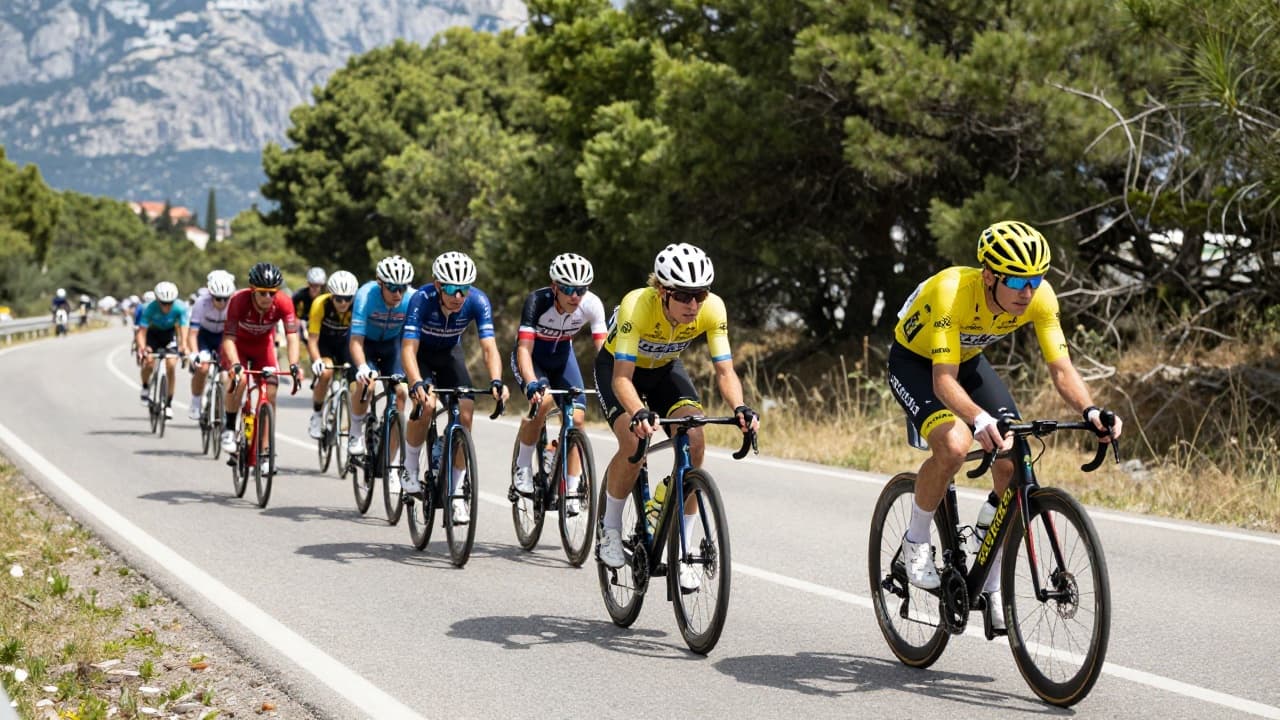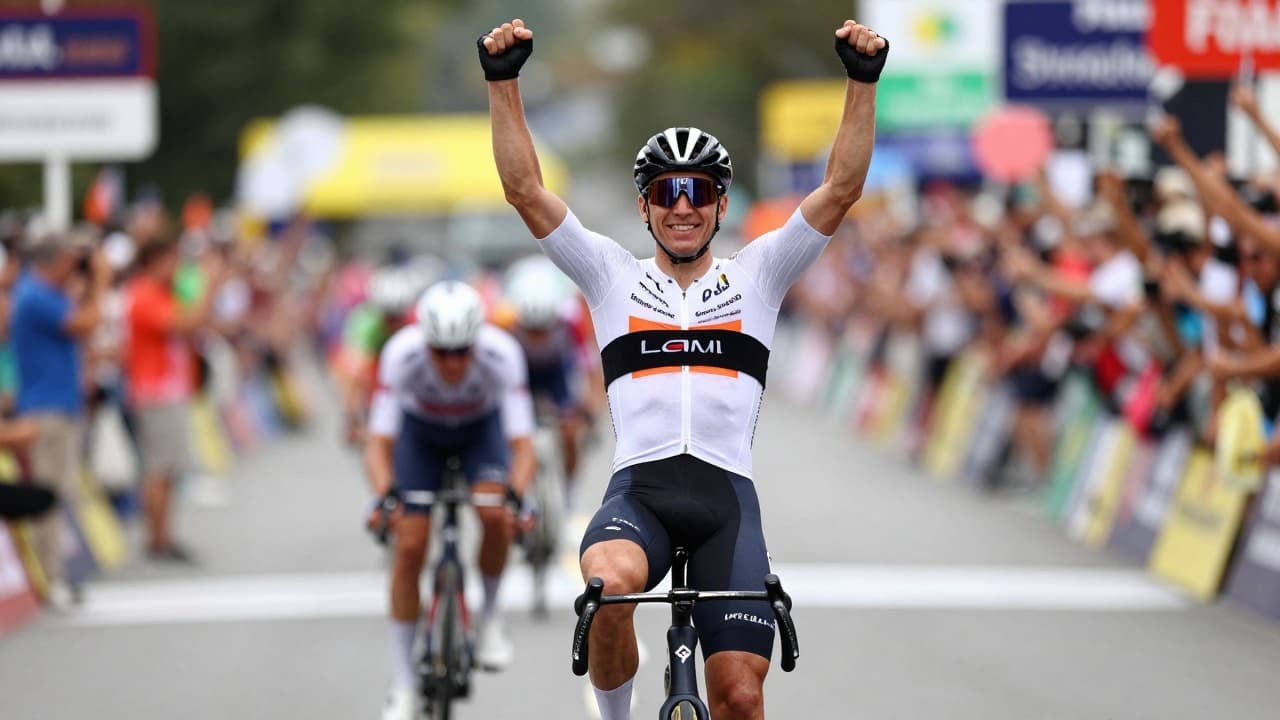
The final, tenth stage of the Volta a Portugal witnessed a dramatic finish, but the event was marked by deep sorrow following the loss of one of the competitors. British cyclist Finlay Tarling passed away during the eighth stage, and his death left a deep mark on the cycling community. At the very end, Portuguese rider Rui Oliveira won the stage, and he dedicated his victory to the deceased colleague, thus paying tribute to the victim of the accident.
Although Oliveira achieved his first professional victory in road cycling, his joy was tinged with melancholy. During the celebration, Oliveira wore a jersey with the word 'Porto' across the shoulders, a symbol linked to local roots and respect for the deceased. His victory, achieved in a tense sprint, was more than personal success; it represented a moment of shared remembrance and respect for what was lost.
The overall winner of the race, French cyclist Alexis Guerin, won the jersey without a fight on the final day. Although Oliveira celebrated on the stage, Guerin secured the overall classification as no one challenged the direct battle for the stage in the way one might expect in similar situations. His dominance in the general classification was the result of consistent performance throughout the race, while the finale brought only a ceremonial confirmation of the title.
Following the death of Finlay Tarling, the NSN Development team withdrew from the race, which further highlighted the gravity of the situation. Tarling, who was only 19 years old, was one of the youngest and most talented cyclists of his generation. His death during the eighth stage was a shock to those present, and its impact was felt throughout the event. Cyclists who wore black bands on their arms during the finale expressed their solidarity and grief, creating an atmosphere at the end that was marked more by sorrow than by sporting euphoria.
Oliveira, who was 29 years old at the time of the victory, showed deep respect for his colleague through his gestures. His victory, although a personal peak, served as a reminder of the fragility of life in professional cycling. The entire race, from start to finish, was marked by emotions that overshadowed sporting results, and the death of Finlay Tarquin remains a permanent feature of this season.