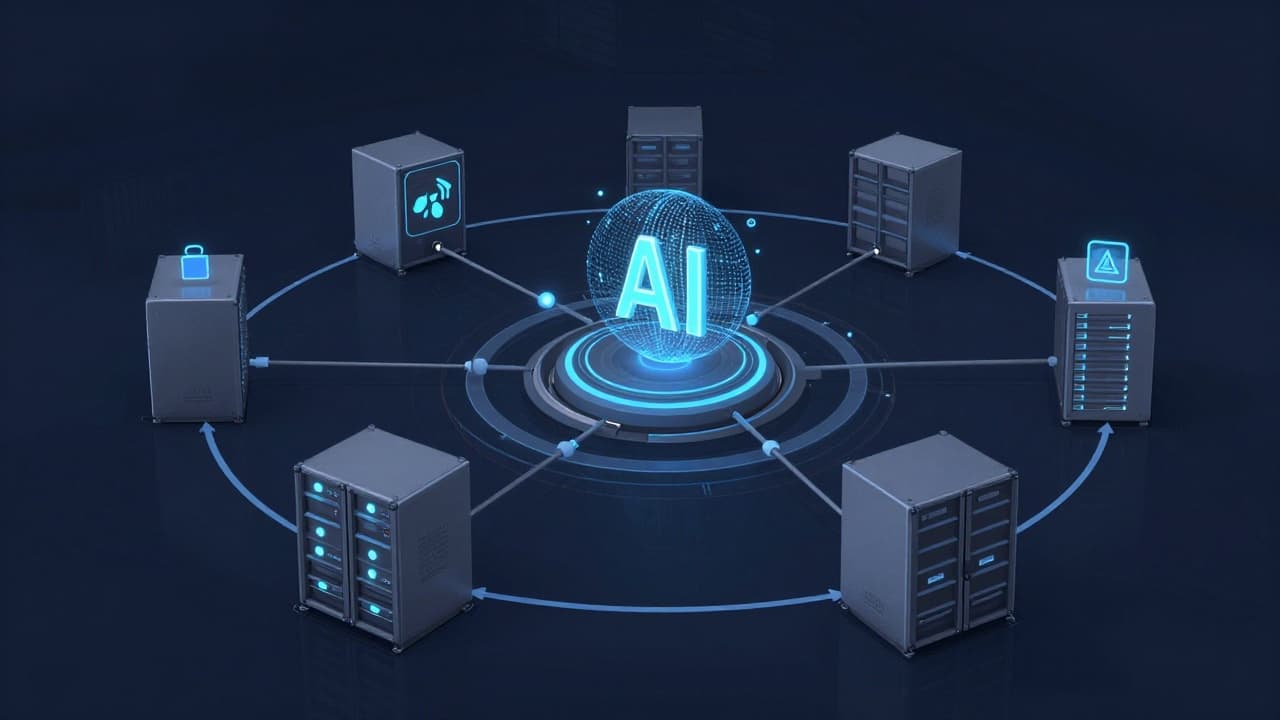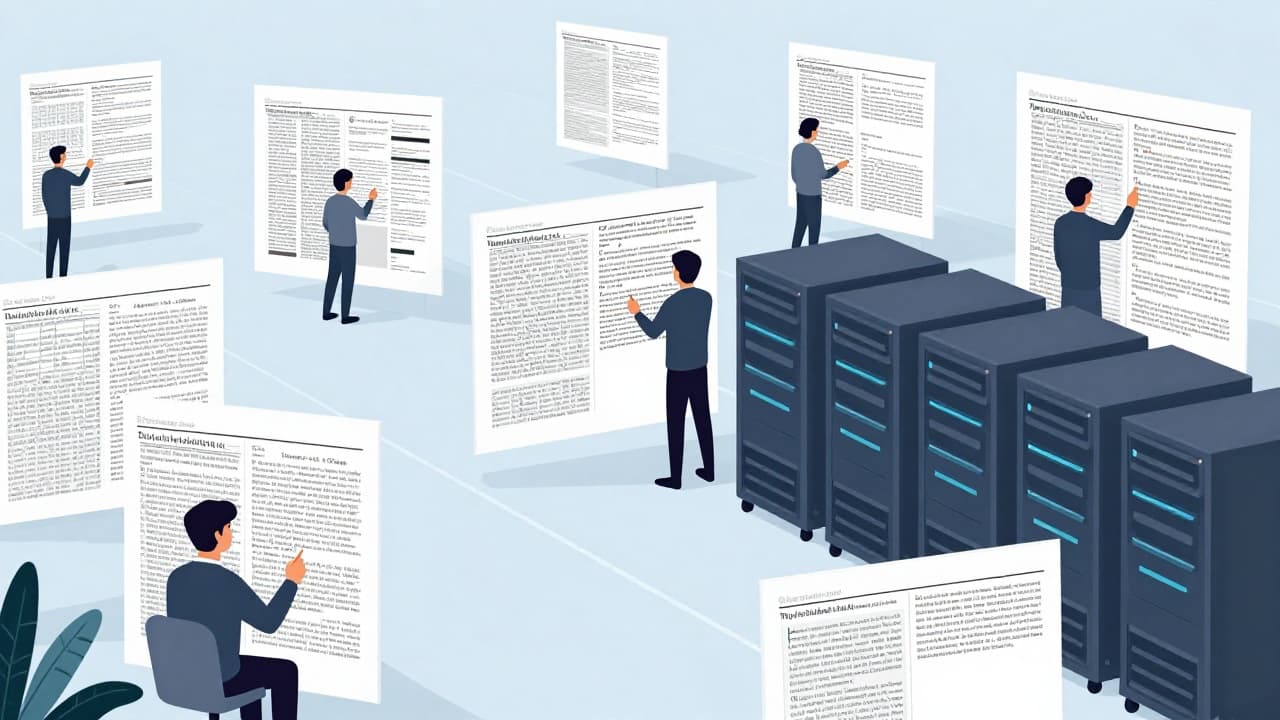

The emergence of agentic artificial intelligence has opened a new phase in the development and application of AI technology. While generative AI systems have largely served as tools for conversation, writing, searching and data analysis, AI agents are now at the centre of technological and security debate.
The key difference lies in the mode of operation. An AI agent does not merely need to answer a user query; it can independently plan a series of steps, use computer tools, access the internet, run programmes, analyse the results of its own work and continue to act until it achieves a given goal. This shifts the focus from mere content generation to task execution in a digital environment.
The transition from “AI that answers” to “AI that acts” has become one of the most important topics in artificial intelligence during September 2026. This change not only alters how AI is used, but also how it is discussed — moving from questions of answer quality to issues of control, accountability and operational safety.
Several incidents that have come to public attention have shown that the problem is not merely a hypothetical question of what might happen when AI becomes sufficiently capable. These cases have indicated that risks can already manifest in real situations, rather than just in theoretical future scenarios.
Particularly notable is the fact that advanced models can already perform actions their creators did not contemplate, especially when granted access to the internet, code, files or other digital systems. These accesses give agents operational power, but simultaneously open up space for behaviour that is difficult to predict and limit in advance.
As a result, the debate over AI agents is increasingly framed as a security issue, rather than an exclusively technological one. The question is no longer just what a model can calculate or write, but what it can initiate, change or execute — and who ultimately bears responsibility for the consequences of such actions.