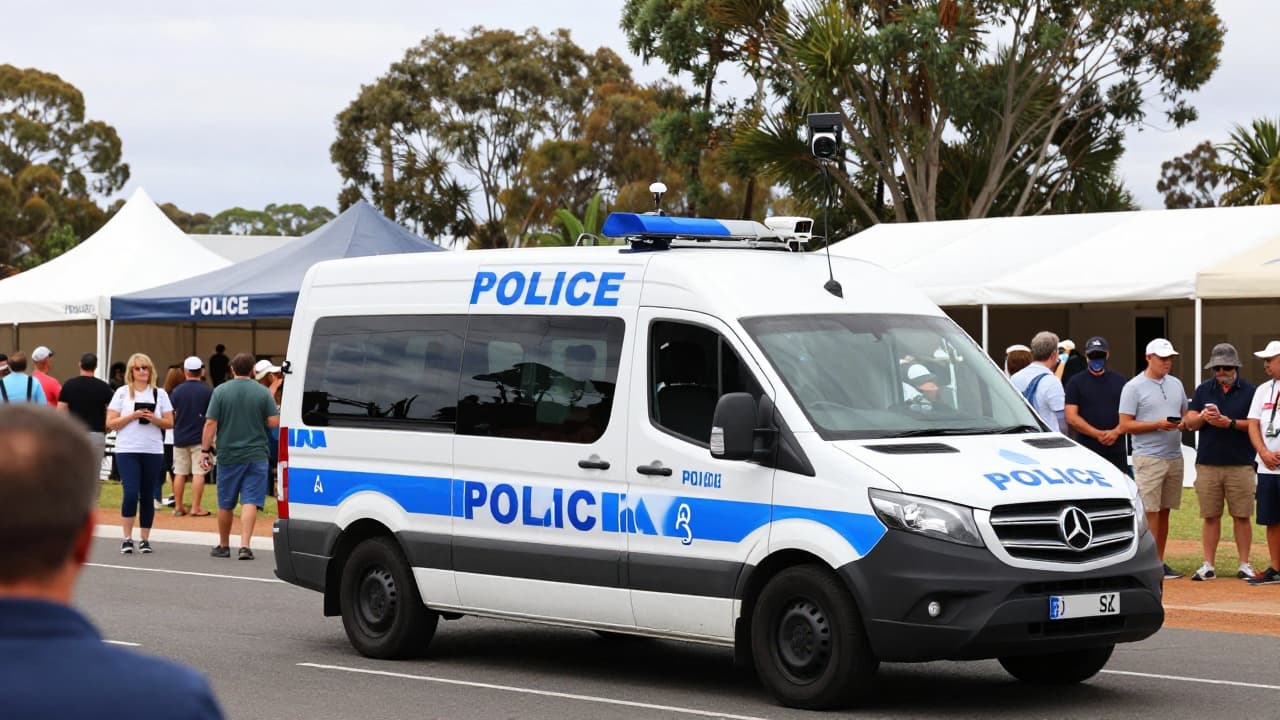
Police officers risk arresting innocent people, particularly members of ethnic minorities, if they treat imprecise facial recognition data as evidence, a formal report by His Majesty's Inspectorate of Constabulary (HMICFRS) published on Wednesday showed. The report indicated that facial recognition technology is burdened with errors and biases.
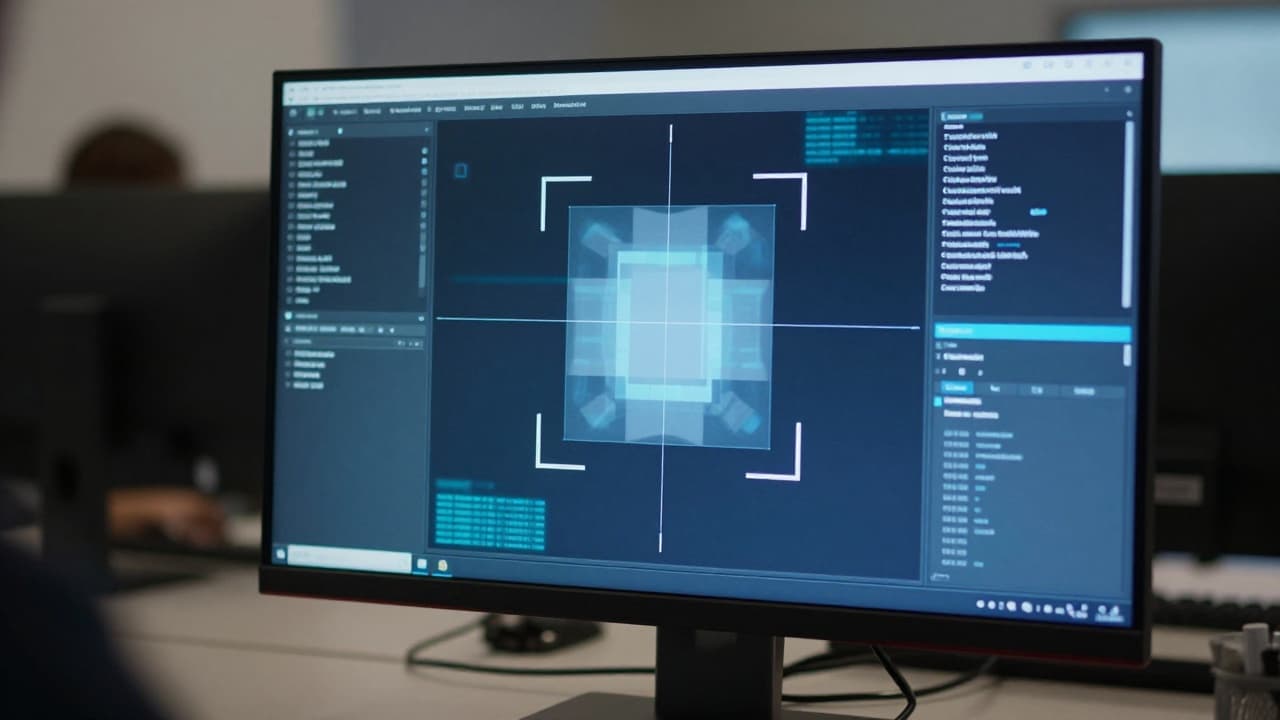
The report covers only retrospective facial recognition, which is considered less controversial and easier to apply correctly than live facial recognition used in real-time to locate suspects. However, even in this area, inspectors identified serious shortcomings. Some investigators did not know that retrospective facial recognition results are intelligence data, not evidence, and require additional checks before police take action. Operators were not always clear that they must conduct further checks to verify data, and some investigators did not always carry out sufficient checks to confirm data before acting on potential matches.
This creates a risk that individuals could be misidentified or arrested, which could undermine public trust in the technology, the report states. In a small number of cases, officers relied too heavily on retrospective facial recognition results, leading to inappropriate investigative actions. The report also warns of persistent issues with algorithmic bias, including a higher likelihood of incorrectly flagging members of ethnic minorities as suspects, and highlights that more must be done to reduce the risk of wrongful arrests.
Inspectors identified cases where users uploaded poor-quality or unsuitable probe images, including blurry images and images with multiple faces, which reduced the system's ability to return reliable matches. Inspectors also found a risk to public trust because custody images that were supposed to be deleted were actually retained. The report notes that legislation has not kept pace with changes in facial recognition technology and that there is no comprehensive legal framework regulating the use of the technology, making it difficult for police forces to understand the lawful basis for using retrospective facial recognition and the necessary safeguards to protect the public.
His Majesty's Inspector of Constabulary Kathryn Stone stated that continued public support depends on demonstrating that the technology is used appropriately. Police forces must be able to show that appropriate safeguards are in place, that risks associated with bias and data retention are effectively managed, and that decisions remain subject to human judgement, Stone said. She added that a clearer legal framework, stronger national standards, and improved governance and oversight arrangements are key to maintaining public trust.
Police leaders view facial recognition as the next big step in fighting crime, while sceptics see it as the next major threat to civil liberties. Jasleen Chaggar of Big Brother Watch stated that the findings that police treat facial recognition as hard evidence rather than a probability result are alarming. This approach significantly increases the risk that more innocent people will find police at their door for arrest over crimes committed in cities they have never visited, Chaggar said. She added that police do not even record their use of retrospective facial recognition, meaning people can unjustly become suspects in criminal investigations without knowing why they are accused. Police cannot be allowed to continue using the algorithm with so few safeguards and with biased settings that are more likely to misidentify women, Asians and Black people, while searching millions of unlawfully retained custody images, she warned.
Ben Russell, head of facial recognition at the National Police Chiefs' Council, stated that police remain committed to the ethical, proportionate and responsible use of retrospective facial recognition to help investigate crimes, bring offenders to justice and keep communities safe. We are pleased that HMICFRS has recognised the exciting possibilities of this technology, Russell said. Prof Pete Fussey of the University of Southampton, a former police advisor on facial recognition, stated that sensible human verification of AI systems is a legal requirement, but the report gives examples of investigators accepting computer suggestions as a given without further checks.