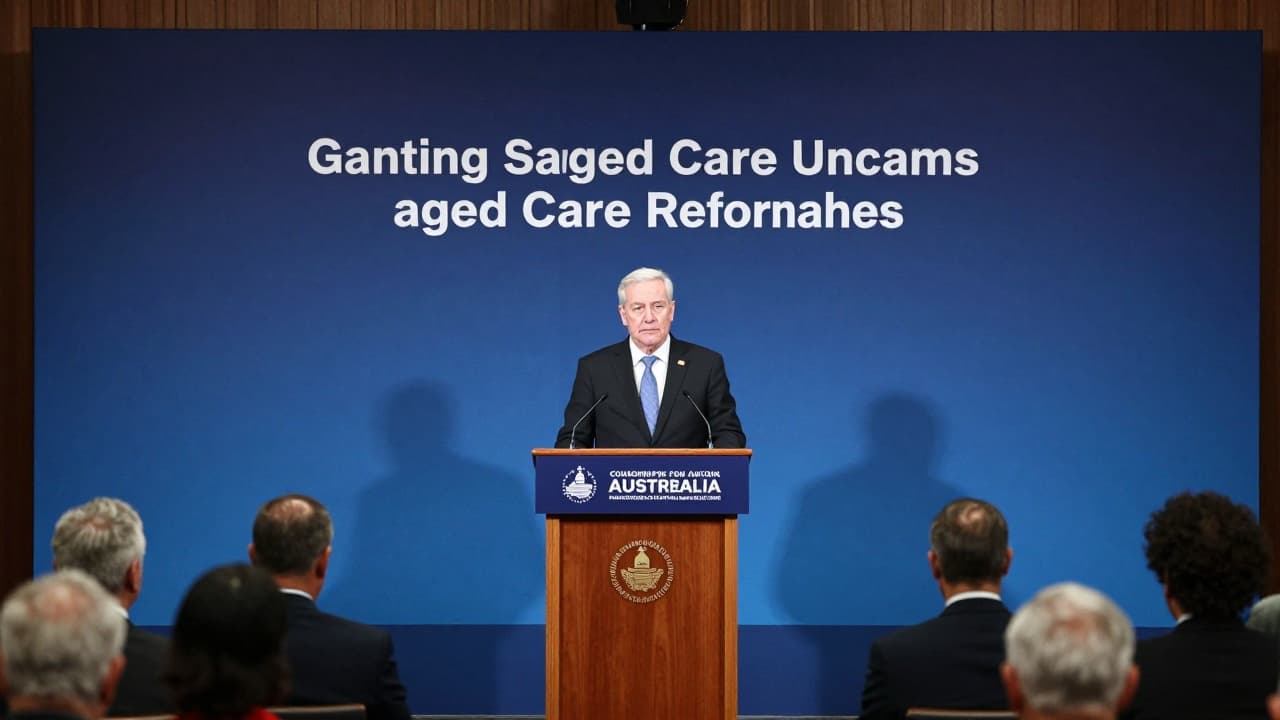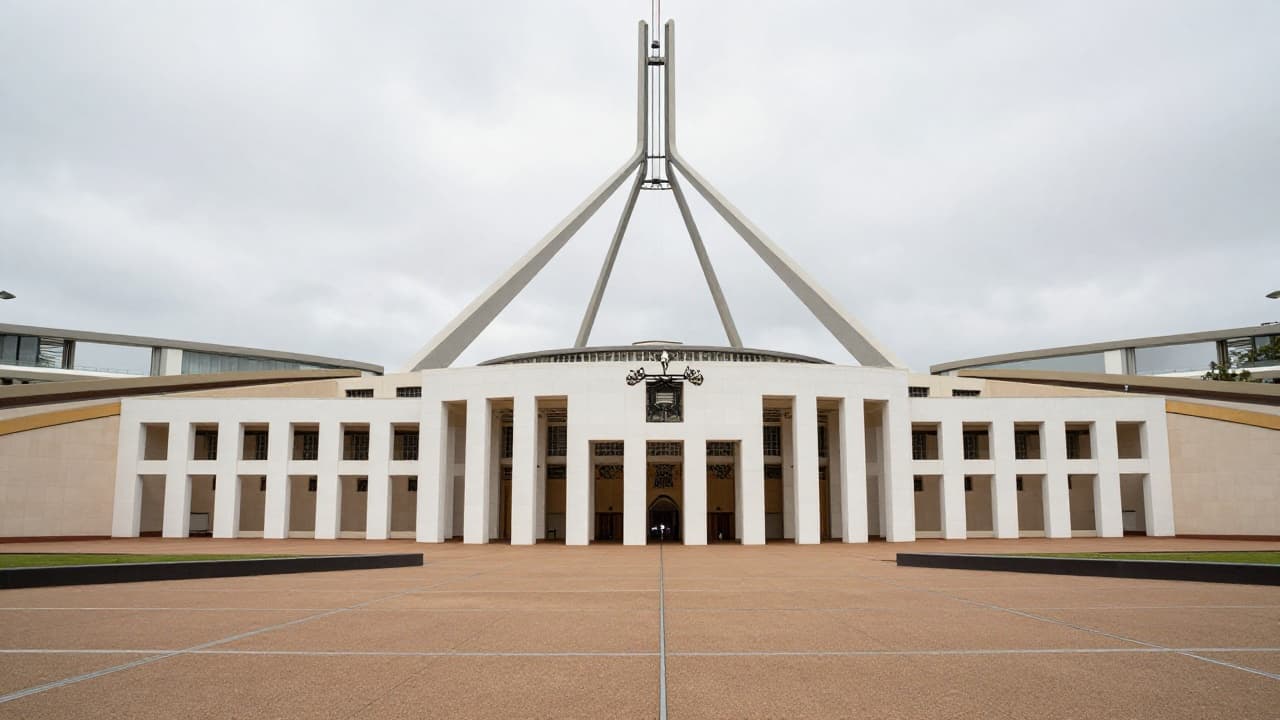

The Australian Senate on Wednesday evening passed the controversial disability insurance bill. This key decision was made on the condition that the bill be returned to the lower house, where it must pass additional procedural steps to become a valid law. The reform package, which previously passed the lower house, is now returned to the upper house, closing the loop on the parliamentary process required for it to come into force.
The key element of this legislative change is the 63 specific amendments incorporated into the bill. These amendments were not accidental but were deliberately shaped to secure the support of the opposition, namely the Coalition. This created the political balance necessary for the reform to pass through both houses of parliament, ensuring that the changes have broader political support beyond the governing majority.
The central aim of these amendments is strict oversight of costs within the system. The government expressed high confidence in the financial implications of the reform, stating that the changes to the tax code, particularly those related to capital gains tax and income tax, have minimal impact on costs. According to government estimates, costs should increase by around 2 Australian dollars per week, which is considered an acceptable risk in relation to the long-term benefits of reforming the insurance system for people with disabilities.