Three French police officers have been convicted of deliberate racist violence against black music producer Michel Zecler, whom they beat in Paris during the coronavirus pandemic. The court found that racism was an aggravating circumstance of the attack, and the officers were also found guilty of falsifying an official report in which they claimed the producer had violently resisted arrest.
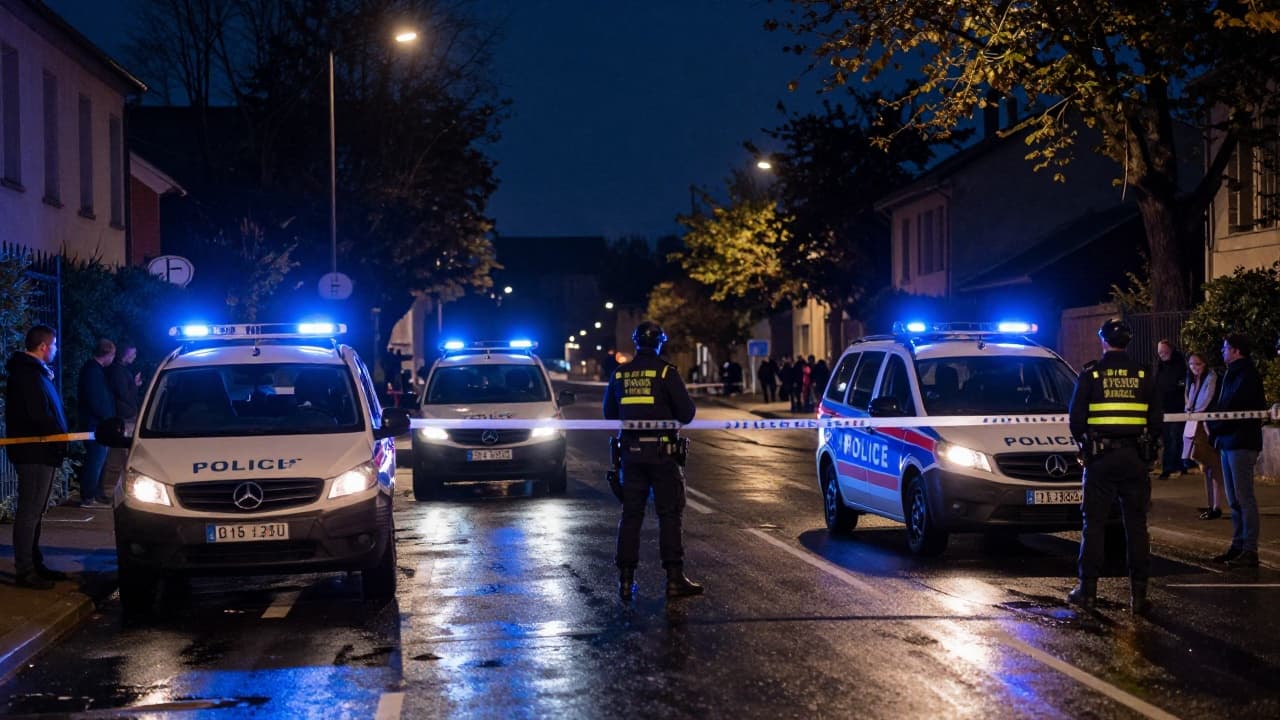
The incident took place on 21 November 2020 outside Zecler’s music studio in Paris, when officers stopped him, accusing him of not wearing a mandatory face mask. They pushed him into the building entrance and violently beat him, an attack captured by the studio’s security cameras. According to the investigation, Zecler suffered around 30 blows to the face and body with fists and a baton over five minutes. He sustained craniofacial trauma, a wound to his lip and scalp, and a complete rupture of his biceps tendon, rendering him unable to work for 45 days.
The three officers – Aurelien Lapersonne (29), Pierre Plantier (37) and Philippe Tondeux (50) – were convicted of breaking into Zecler’s studio and deliberate group violence. The court ruled that racism was an aggravating factor in the attack. They were also convicted of falsification for attempting to cover up their actions with false police reports, claiming Zecler had been violent towards them and had attempted to seize one of their weapons. However, the surveillance footage did not support these claims, showing that he had not been violent.
All three received five-year sentences, with varying lengths of suspended terms. Lapersonne received a three-year suspended sentence, Tondeux three and a half years, and Plantier four years, while he will serve one year under electronic monitoring. All were issued a lifetime ban from working in the police force.
During the trial, Zecler stated that the officers called him a racist slur several times during the beating. He said the attack had completely devastated him and left lasting physical and psychological consequences. The officers denied any racist motive; in the courtroom, they admitted to the beating and the false report but denied racism. The court nonetheless accepted Zecler’s testimony because everything else he said was verifiably true, and the sentences were increased due to the racist element.
The public prosecutor, who requested not to be named in the media, told the court that the case had caused enormous harm to Michel Zecler, as well as to society as a whole. She stated that the officers had betrayed their uniform and asked the judges to believe Zecler and recognise him as a victim of racist abuse. Without the surveillance footage, the false police report could have led to Zecler being convicted of assaulting a police officer, which would have been a grave miscarriage of justice.
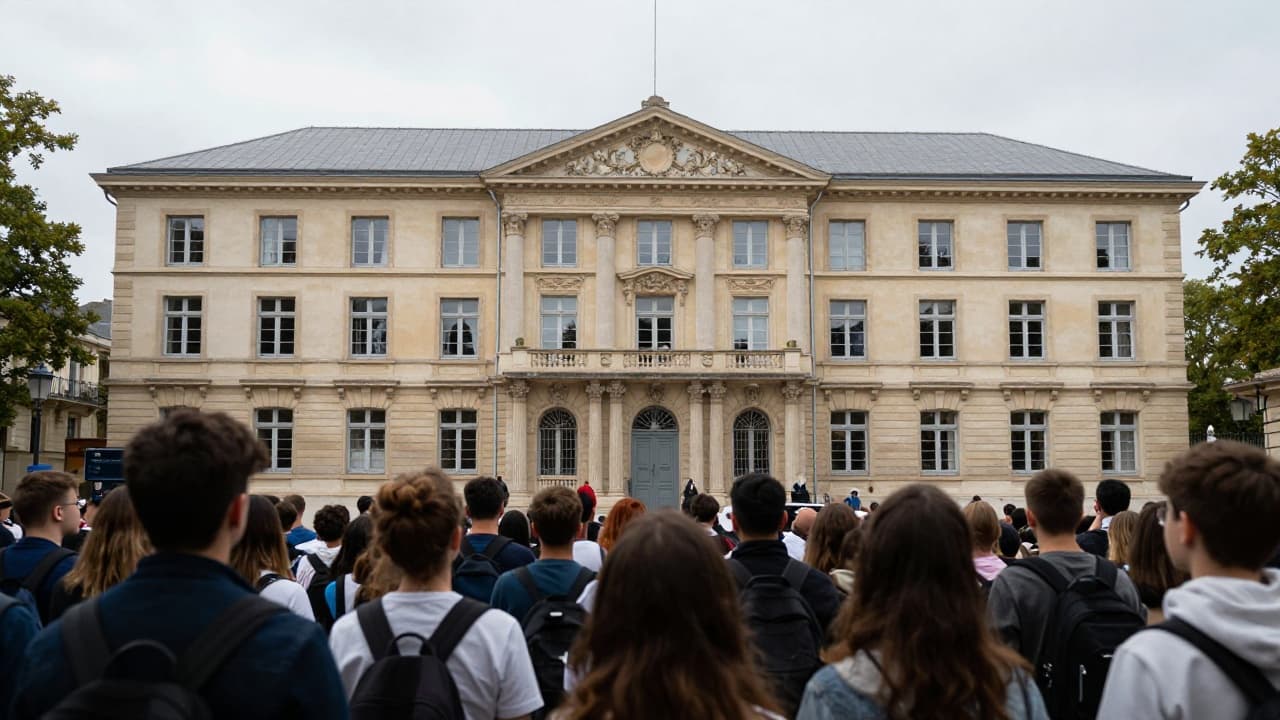
The trial lasted two weeks and was presided over by a panel of five judges. Zecler said during the trial that, had it not been for the surveillance footage, he would have been in court as a potential criminal rather than a victim. In their closing statements to the court, all three officers apologised for their actions. Tondeux said he was sorry for the image of the police he had presented.
Nine young performers who were rehearsing in the basement of Zecler’s studio were violently arrested when they rushed to Zecler’s aid. Their lawyer, Seydi Ba, told the court that France needs to know how the judiciary will treat police violence, lies and racism. Zecler’s lawyers and supporters assessed that the trial had shed light on police violence in France, which victims and researchers claim is systemic, while authorities and police unions say it consists of isolated incidents. One of Zecler’s lawyers, Serge Money, said in his closing statement that the verdict could force society to confront an injustice that had previously been tolerated, minimised and institutionalised.