
Icelanders went to the polls to vote on whether their government should continue negotiations with the European Union. Although the outcome was expected to be close, citizens confirmed the direction by voting directly. It is important to note that this vote did not directly decide on membership of the EU, but solely on whether the government should continue the negotiation process.
The prime minister emphasised that this is an opportunity, not a final and irreversible decision. Although Iceland is a small island with 400,000 inhabitants, its geopolitical position and economic indicators make it a significant actor in the region. Despite economic indicators improving and the country recording growth, stability remains a challenge. Experts warn that the currency is unstable and households are facing high interest rates, which has further complicated the economic picture despite overall growth.
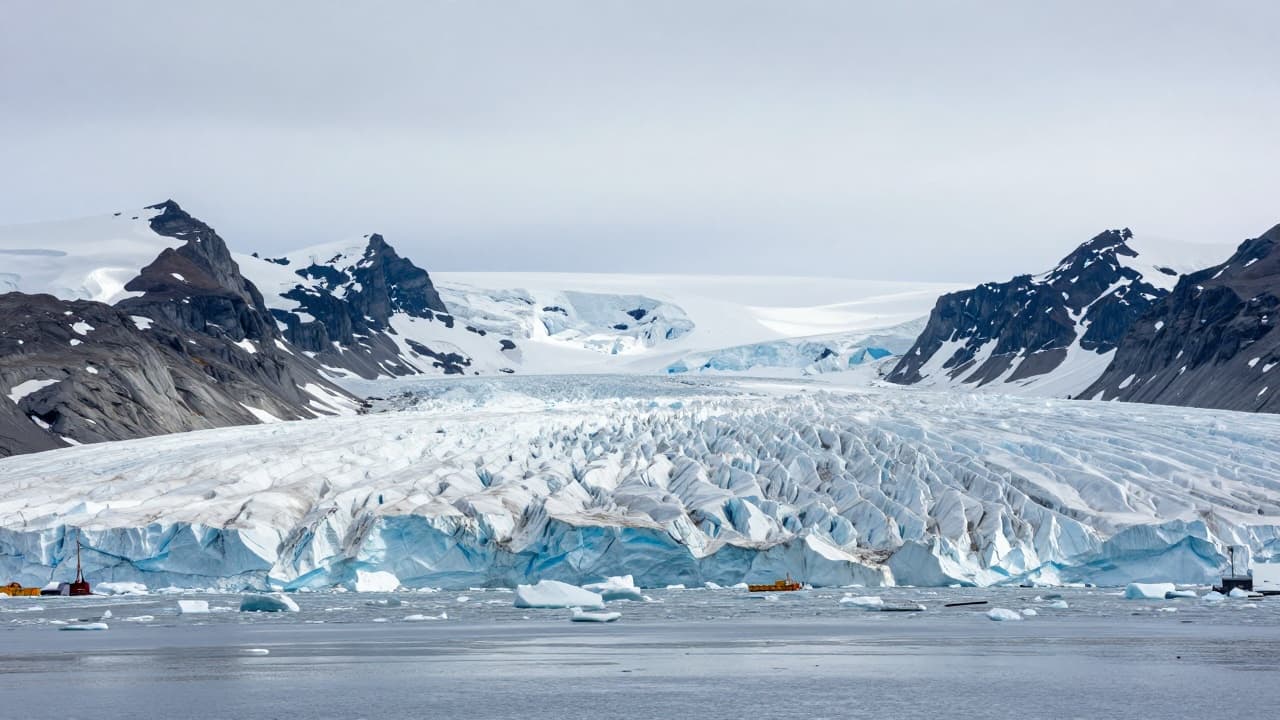
The central bank, in response to inflationary pressures, raised interest rates to 8 per cent. This measure, while necessary for stabilisation, has further burdened citizens. At the same time, the Russian invasion of Ukraine has significantly altered the security landscape in Europe, forcing countries to re-examine their security doctrines. For Iceland, which lies beneath the Arctic, this change is particularly sensitive, given that the country has no army and relies solely on NATO and a 1951 bilateral agreement with the United States for its defence.
One of the most sensitive issues in the negotiations is fisheries, which account for 40 per cent of Iceland's exports. Fishing is deeply rooted in the national identity, and the memory of the 'cod wars' against the United Kingdom remains fresh in the public mind. For this reason, many Icelanders are wary of ceding control of their fishing grounds to European regulations. Nevertheless, the European Union is sending positive signals, attempting to allay fears about sovereignty in this key economic sector.