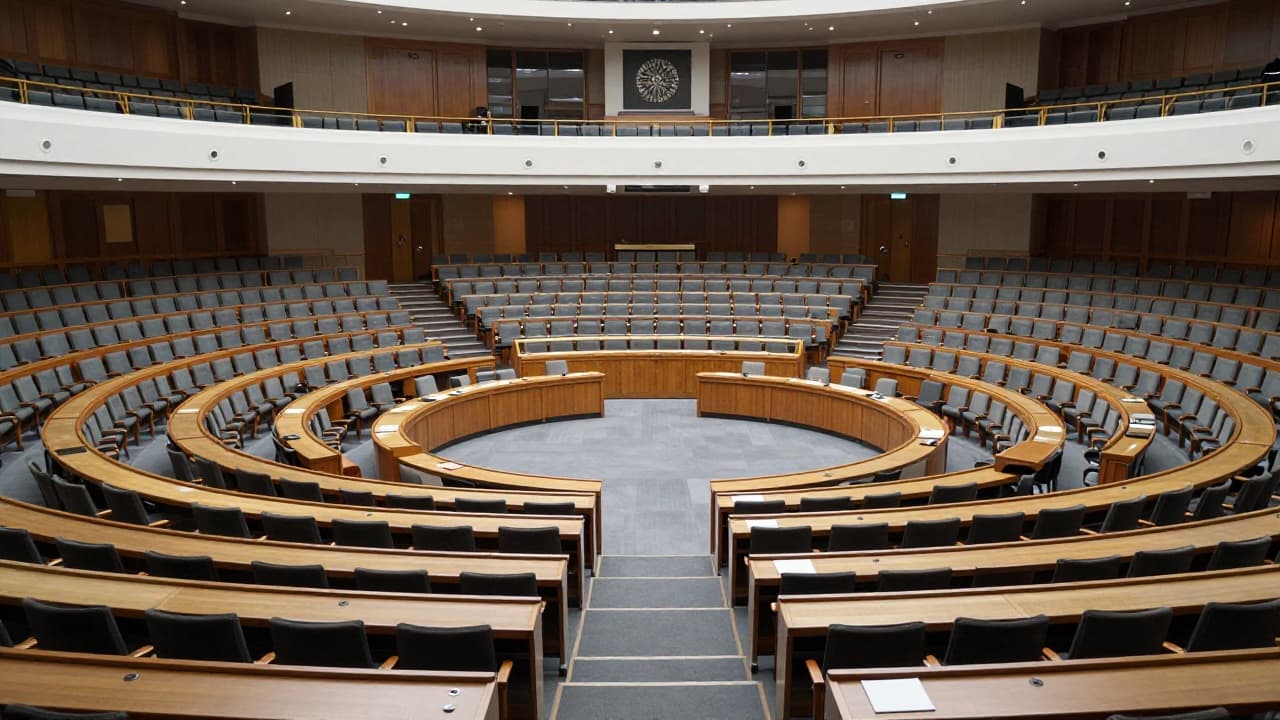
Federal Liberal senator for South Australia Leah Blyth has joined One Nation, Pauline Hanson announced in a statement welcoming her. This is the second prominent defection from the Coalition to One Nation, following Barnaby Joyce, and Blyth will become the first One Nation senator from South Australia.
In a statement announcing her move, Blyth stated that she did not believe the Coalition was capable of opposing Anthony Albanese's government. "I can no longer conscientiously tell Australians that the Liberal Party can save this country," she said. She added that One Nation "has never shied away from confronting the uncomfortable truths our nation faces" and that it is "the only party with the bold ideas needed to turn this country around".
Blyth acknowledged that she was not "fully familiar" with One Nation's policies. She cited the Liberals' support for the controversial defence bases law as a reason for her disappointment in her former colleagues. In a statement to News 24, she said: "I wasn't paying attention to who else in the chamber supported that law." Blyth also highlighted the Liberals' decision to abandon the net-zero emissions policy while remaining in the Paris climate agreement, as well as the digital duty of care, as political compromises. She again mentioned the "accelerating capability and protecting bases" law, which Labor and the Coalition pushed through parliament with little oversight. "That was not a matter of debate, and I think when we give the government broad powers, there should be very strong debate on such issues," she said. One Nation also voted for that law.
In 2025, the Liberal Party appointed Blyth to replace former Liberal minister Simon Birmingham in the Senate, but she was not elected on her own mandate. She was the immediate former president of the party in South Australia, and was replaced by conservative powerbroker Alex Antic. She will face re-election at the next election, and it was expected that she would lose her safe spot on the Senate ticket.
Coalition MPs said they were surprised by the news and that Blyth had not informed them in advance. Hanson stated that Blyth would "build on One Nation's growing support in the state". Blyth said: "I am not thinking about the Liberal Party, that is the past." She added: "I think the Liberals have left many voters, including those in South Australia, and I would say that those people who voted for the Liberals now feel as disappointed as I do."
National Party leader Matt Canavan called her defection "disappointing on a number of levels". He said he was surprised by the move. "I try to be friends with everyone... and I thought I was friends with Leah, but there was no warning from her," Canavan said. He assessed that the move "smells of self-interest". "Leah went into last year's election supporting net zero. She did not oppose the hate speech laws earlier this year, as we – the National Party – did," he added. Deputy Liberal leader Jane Hume described the move as a "disappointing decision", but said Blyth "was not a big contributor in the party room".
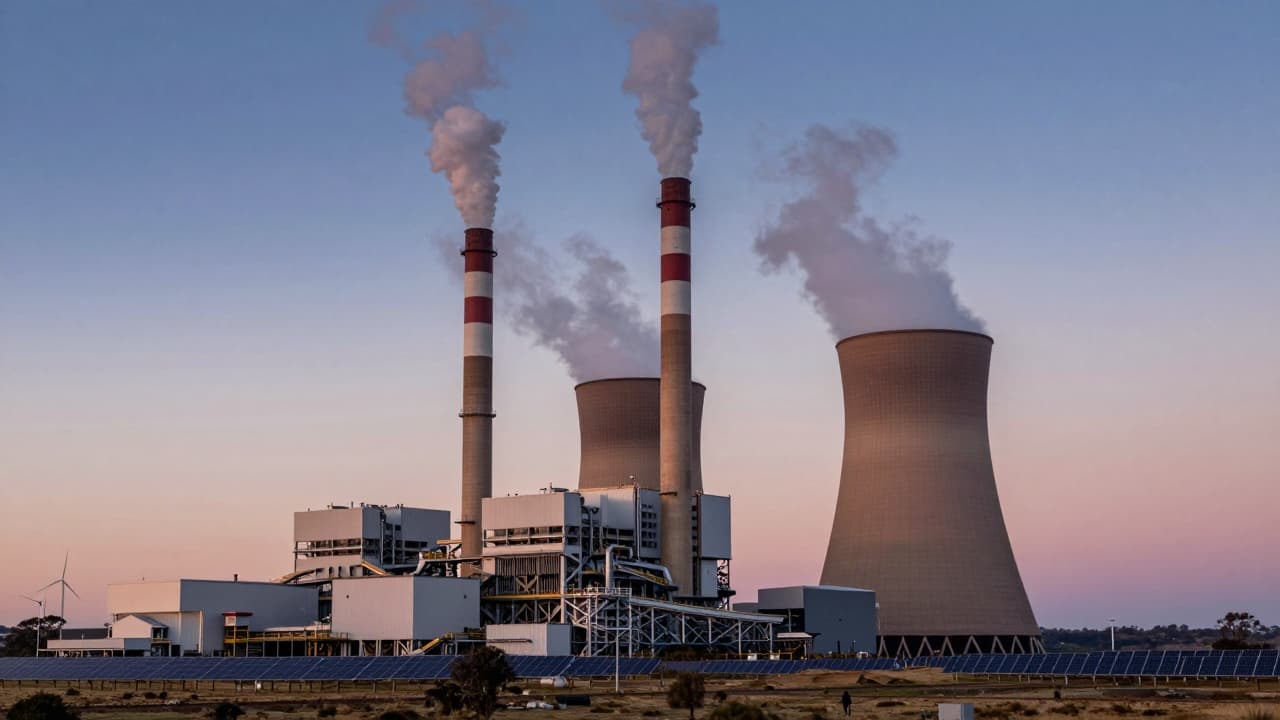
In parliament, climate change and energy minister Chris Bowen stated that coal-fired power stations must be replaced. He said that Australian coal-fired power stations are on average about 40 years old and that outages at coal-fired power stations had occurred every day for the last three years. "There has not been a single day in the last three years – not a single day, in three years – without a fault at a coal-fired power station," Bowen said.
Coalition energy spokesman Dan Tehan focused on the "real pain" of energy bills in response to the Labor climate statement. Bowen highlighted that wholesale energy prices on the Australian National Energy Market had fallen by 27 per cent in the year to September, while retail energy prices had risen by 25 per cent in the year to October. Tehan reminded that it was the fifth anniversary of the Labor promise made in 2021, while in opposition, to reduce household bills by 275 dollars a year by 2025. Tehan cited Rystad Energy forecasts that Australian wholesale energy prices would double by 2030.
Bowen defended Australian leadership at Cop31, where he served as chair of the negotiations in Turkey. He acknowledged that 190 countries at Cop31 did not reach consensus on a "comprehensive coverage decision", but said that an agreement was reached on 44 of 60 substantive points. He highlighted that "many countries" had joined the "35 by 35" commitment to increase the share of electricity in global energy consumption to 35 per cent by 2035. "The international community no longer respects those who claim that climate change is not real," Bowen said. The federal government projects that Australia will reduce carbon emissions by 42 per cent compared to 2005 levels by 2030. Bowen told parliament that the nation's emissions had fallen by 6.2 million tonnes in the year to June and that annual emissions were already 25.3 per cent below 2005 levels. He described the 2035 target, a reduction of 62 to 70 per cent, as "ambitious, but achievable".