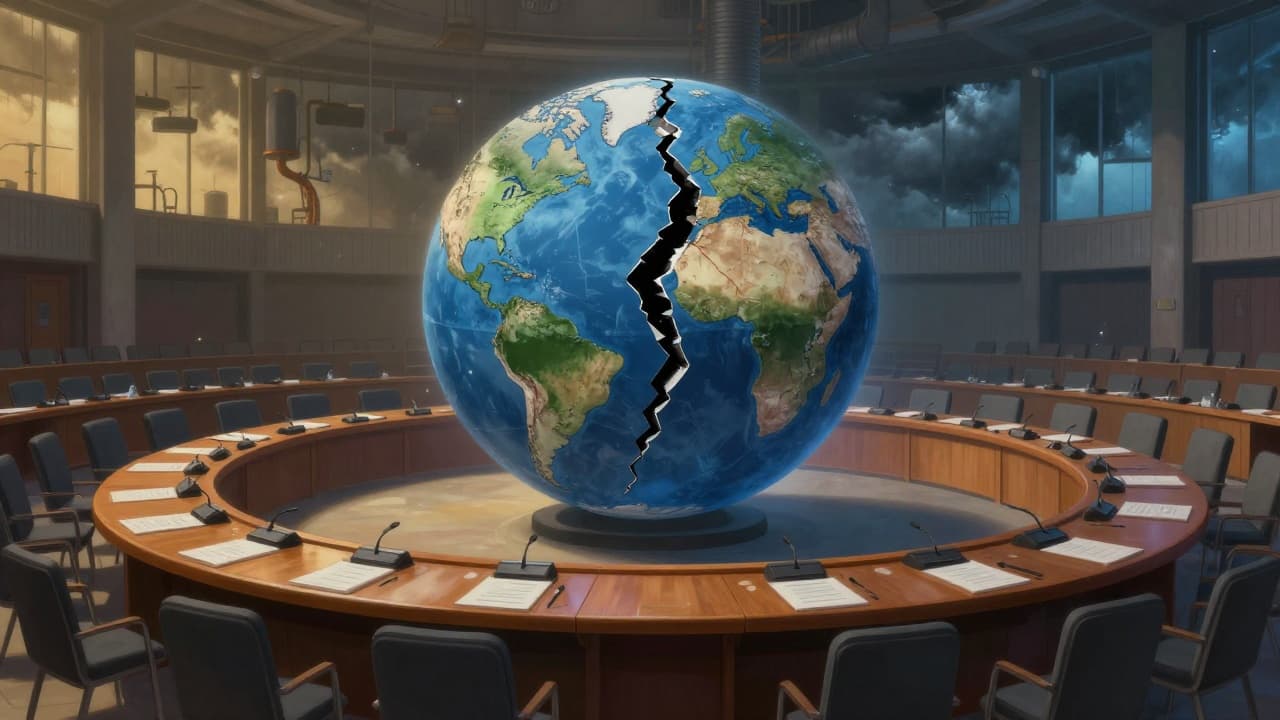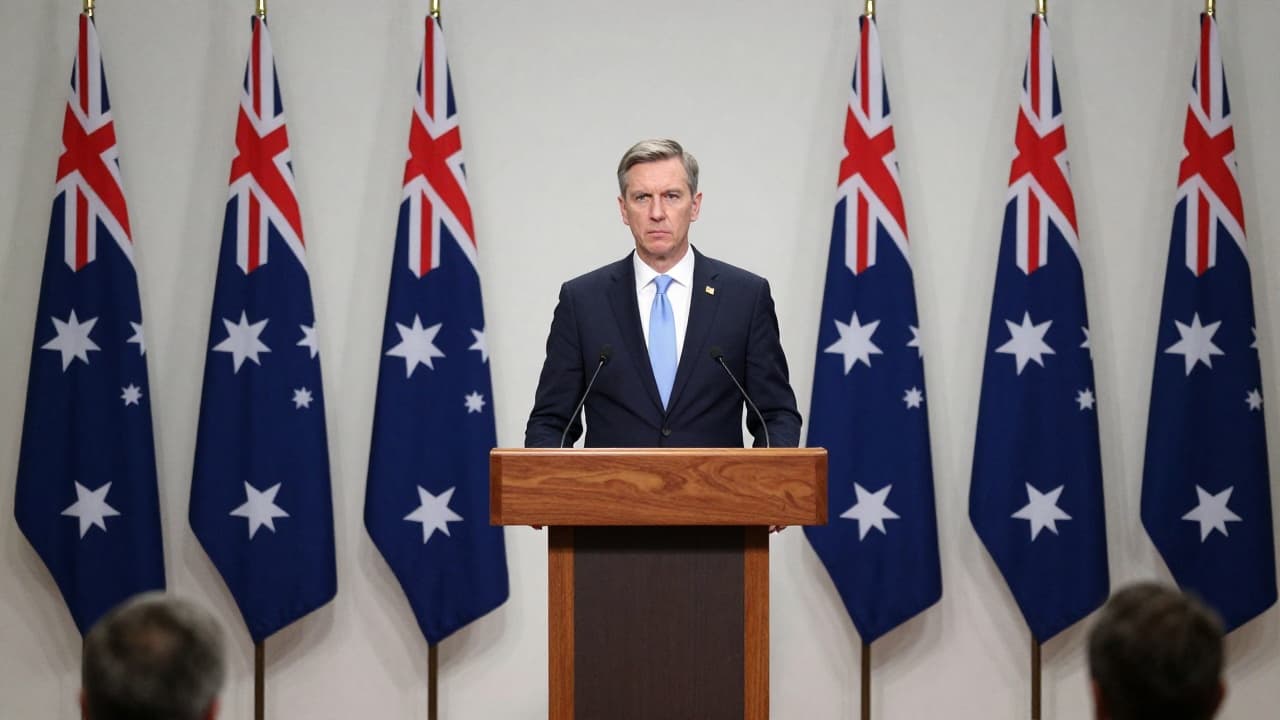
Australian Prime Minister Anthony Albanese defended Minister Chris Bowen from criticism following the failure of the UN climate summit Cop31, attributing the outcome to "difficult geopolitical times". The Coalition, however, has demanded the minister's resignation.
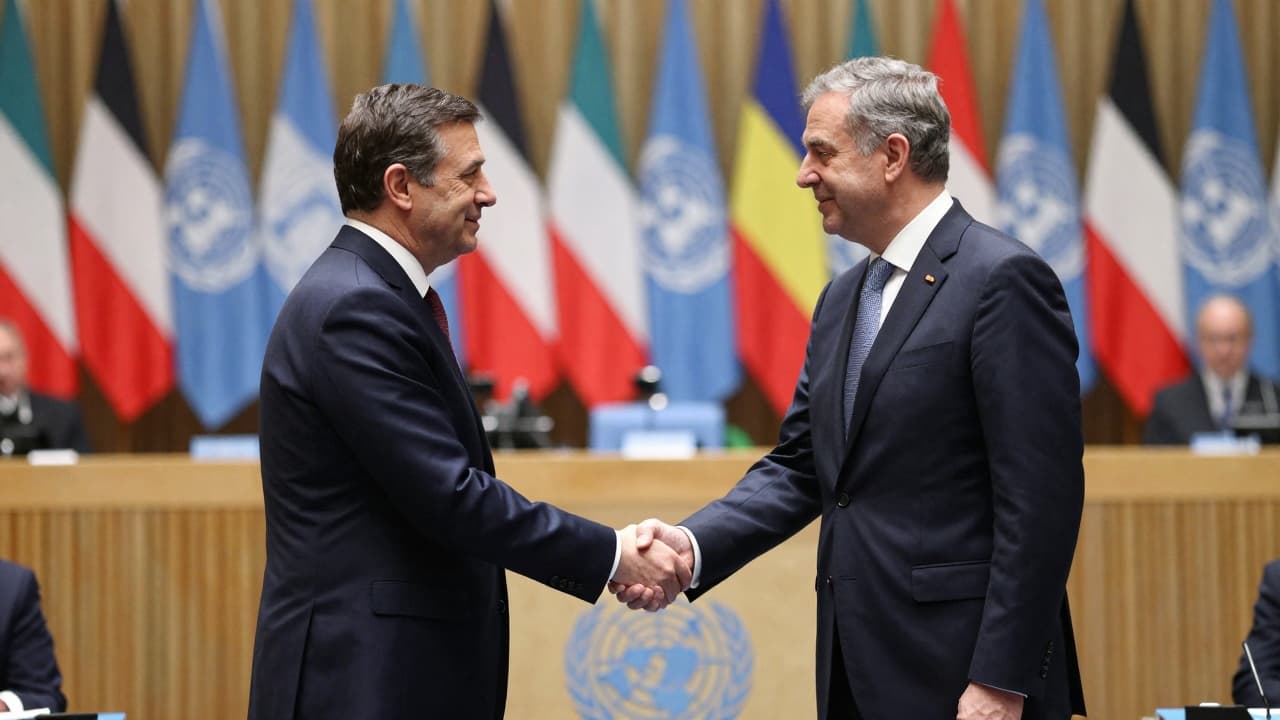
Bowen served as the chair of the negotiations in Turkey, where the conference was co-led with his Turkish counterpart Murat Kurum. He addressed reporters late on Sunday after a number of countries rejected the proposed "cover decision" for the conference. He stated that "Australia left nothing on the table" and that the "red lines" he and his team attempted to negotiate to find consensus among nearly 200 countries were insurmountable.
The main point of contention was whether the agreement would mention the need for the world to move away from fossil fuels. The European Union, Panama, the Marshall Islands, Vanuatu, Norway and Belize told the conference they would not accept a deal without a mention of the transition from fossil fuels. Saudi Arabia and Russia led a group of oil-rich countries that vowed to veto any decision including a mention of fossil fuels. Bowen stated: "I would have been happy if the transition from fossil fuels was included in the text, but it was not getting support." He added that, despite the breakdown in negotiations, in the "real world" the transition from fossil fuels is inevitable and is happening at a rapid pace. He also highlighted that more than 90 countries had signed a pledge to increase electrification to 35 per cent by 2035. He acknowledged that the result was "very disappointing".
Australia was sharply criticised during the conference for its continued support for new coal and gas export projects. On Monday, Albanese said that Australian efforts had been key in building relationships with Pacific neighbours. "It is proof that we are living in difficult geopolitical times," he said. "The important work of the Cop is the work we did with the Pacific, where Australia and our Pacific leaders worked constructively together." He added: "To have credibility (in the Pacific), the entry ticket is climate action."
Coalition energy spokesman Dan Tehan said Bowen needs to "resign immediately". "If Chris Bowen does not resign immediately, the Prime Minister should sack him," Tehan said. "As the lead negotiator, Chris Bowen is personally responsible for this catastrophic diplomatic disaster." Greens deputy leader Steph Hodgins-May stated that it was a "catastrophic shame" that Australia chaired negotiations on a failed deal. In a statement, she noted that the Labor party is "incapable of leading – neither on the global stage for climate negotiations, nor at home when it comes to protecting Australians from climate destruction".
The Coalition, and Tehan in particular, have consistently attacked the Labor bid to host the conference and Bowen's appointment as chair of the negotiations. Bowen had campaigned for the role – newly created for Cop31 – after Turkey won the right to host following a prolonged deadlock. Tehan did not say what the Coalition would have done differently had he been in Bowen's position, other than noting that the opposition would not have sought to host the Cop or the chair position. The Coalition has withdrawn its support for Australia reaching net zero emissions by 2050. That target was introduced under former Liberal Prime Minister Scott Morrison. The Coalition has promised to scrap Labor's climate policies if elected, and has not presented any policies for reducing emissions. Tehan said that the consensus model of agreement used at the UN summit was "completely and utterly broken" and that "Chris Bowen should have known that".
The failure for countries to agree on the "Antalya Pact" in Turkey was a significant moment in the history of UN climate summits. The negotiations did not completely fail. The point of contention was the attempt to find language reflecting the "transition from fossil fuels" agreed in Dubai in 2023. In the final stages of negotiations, countries were presented with a text that merely referred back to that decision and did not explicitly mention "fossil fuels". The text presented in the final stages angered a number of countries.
Bill Hare, Australian chief executive of Climate Analytics and a Cop veteran, said that the lack of agreement on the main document at Cop31 should not be considered a failure of the entire Cop process. According to him, it should be viewed as a "successful defence of the integrity (of the UN climate convention) against a coordinated attack by several countries that are immovably opposed to climate action, particularly against any mention of the need for a transition from fossil fuels". Consensus was reached on some smaller issues at Cop31. Amanda Cahill, founder of Next Economy, was in Antalya to offer advice on elements of the conference dealing with so-called "just transition" – a broad set of guidelines intended to protect communities and workers affected by climate change.