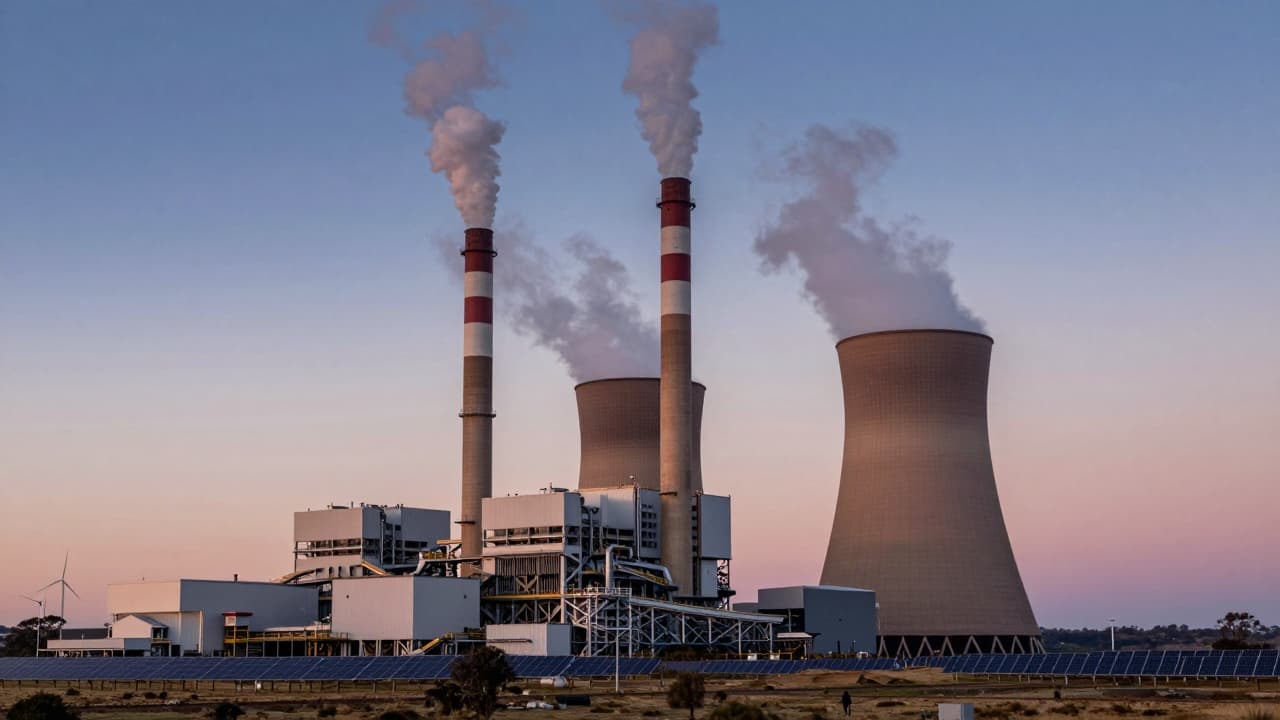
Australia is on track to meet its 2030 emissions reduction target, but will significantly miss its 2035 goal unless the federal government significantly strengthens climate policies, new official projections show.
Under current policies, the country is on track to cut climate pollution by only 48 per cent by 2035 compared with 2005 levels. The 2035 target is a reduction of between 62 and 70 per cent. Progress towards that target has not improved since the last projection published a year ago.
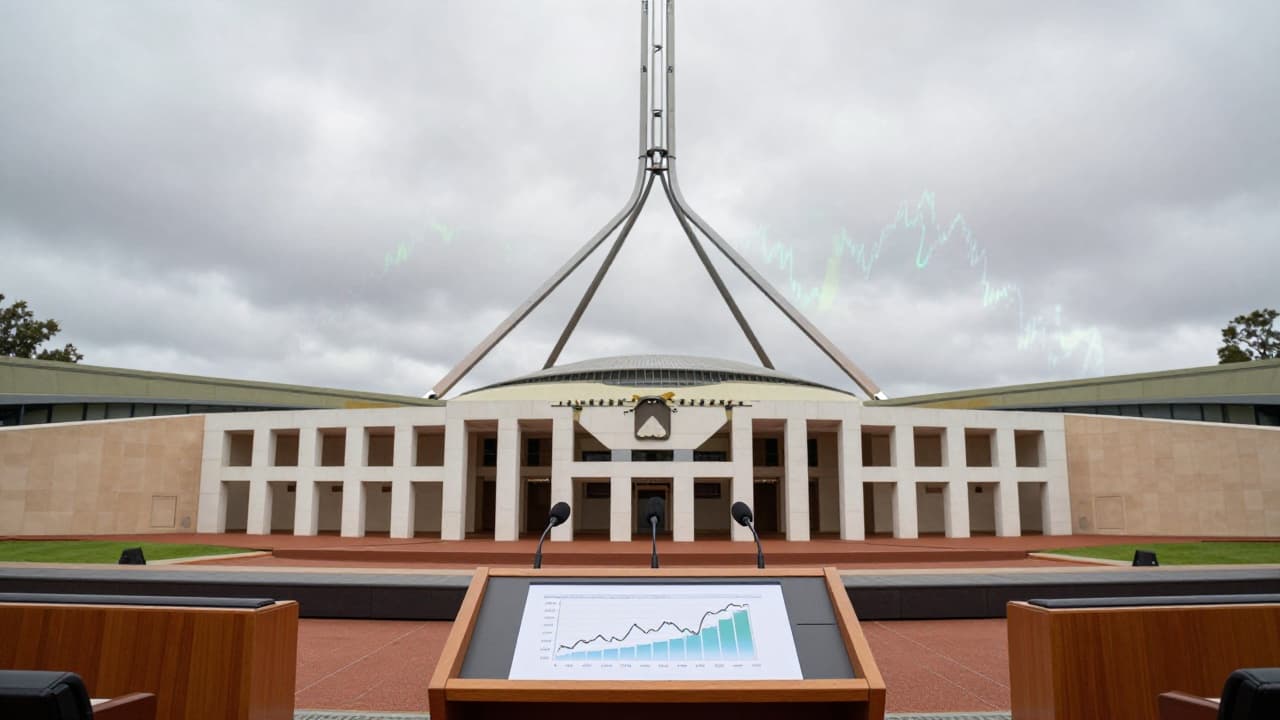
Climate Change and Energy Minister Chris Bowen tabled the annual climate statement to parliament on Thursday. He said the country is "making good progress, but we face undeniable obstacles". He spoke after the difficult experience of the failed climate negotiations at Cop31.
Bowen criticised the decision by the Liberal-National government of Queensland to "abandon its renewable energy targets and extend the life of coal plants". He said the decision would "significantly impact" national emissions. "Continuing to rely on intermittent and unreliable coal is simply not the answer to our future energy security question," Bowen said. "And reversing already approved renewable energy projects creates uncertainty, which then threatens future investment in renewables." He added: "Our system needs security. It does not need sovereign risk."
Projections indicate that Australia's climate pollution will be 42 per cent below 2005 levels by 2030. This forecast is "within reach" of Australia's target to cut emissions by 43 per cent by 2030. The forecast assumes the government will achieve a target of 82 per cent of electricity from renewable sources at the national level by 2030. Many experts say that target is unlikely due to delays in the rollout of large wind farms, solar farms and new transmission lines. The department's assessment notes that if unforeseen delays and supply chain bottlenecks push the 82 per cent target to 2032, Australia will cut emissions by only 38 per cent by 2030.
A separate report published on Thursday showed that climate pollution fell by 1.3 per cent – 6.2 million tonnes – in the year to June. Bowen said this represented "a reduction at a rate one and a half times faster than in the past 10 years". Australia's total annual emissions were 25.3 per cent below 2005 levels. Emissions from electricity generation fell by 3.6 per cent. Gas generation fell by 23.2 per cent during the year, while coal generation decreased by 3.6 per cent.
A third report, the annual progress assessment prepared by the Climate Council, warned that the pace of emissions reduction in the country must "significantly accelerate". The Council stated that meeting the 2030 and 2035 targets would require sustained average annual emissions reductions of around 25 to 30 million tonnes. The Council found that transport is approaching a "tipping point". Electric and plug-in hybrid vehicles accounted for 29 per cent of new light vehicle sales in 2026, compared with 13 per cent in 2025. The Council noted that more responsibility for emissions reduction will shift to other sectors, including "industry, resources, agriculture and other activities that are harder to abate". It also warned that additional measures are needed to address methane and recommended more work on deploying existing technologies, such as detecting and repairing leaks at mining sites and reducing flaring and venting of gas from fossil fuels.
Dan Tehan, the shadow minister for energy and emissions reduction, focused on electricity prices and the collapse at Cop31 – and the cost of free coffee in the Australian pavilion at the summit – in response to Bowen's climate statement, rather than the climate crisis. Tehan said national emissions have risen since the Labor Party was elected in 2022. Climate pollution was suppressed in 2022 due to economic lockdowns during the Covid-19 pandemic.
Steph Hodgins-May, deputy leader of the Greens and climate spokesperson, said the government's rhetoric on climate change is "simply so far removed from action". She said the government bases its climate strategy on further electrification, "while still approving new coal and gas mines". "They tell us they want to take climate action, but at the same time they are approving 38 new coal and gas mines," Hodgins-May said.
Gavan McFadzean, head of advocacy at the Australian Conservation Foundation, said the government's testimony showed strong progress in some areas, but there is clear room for improvement.