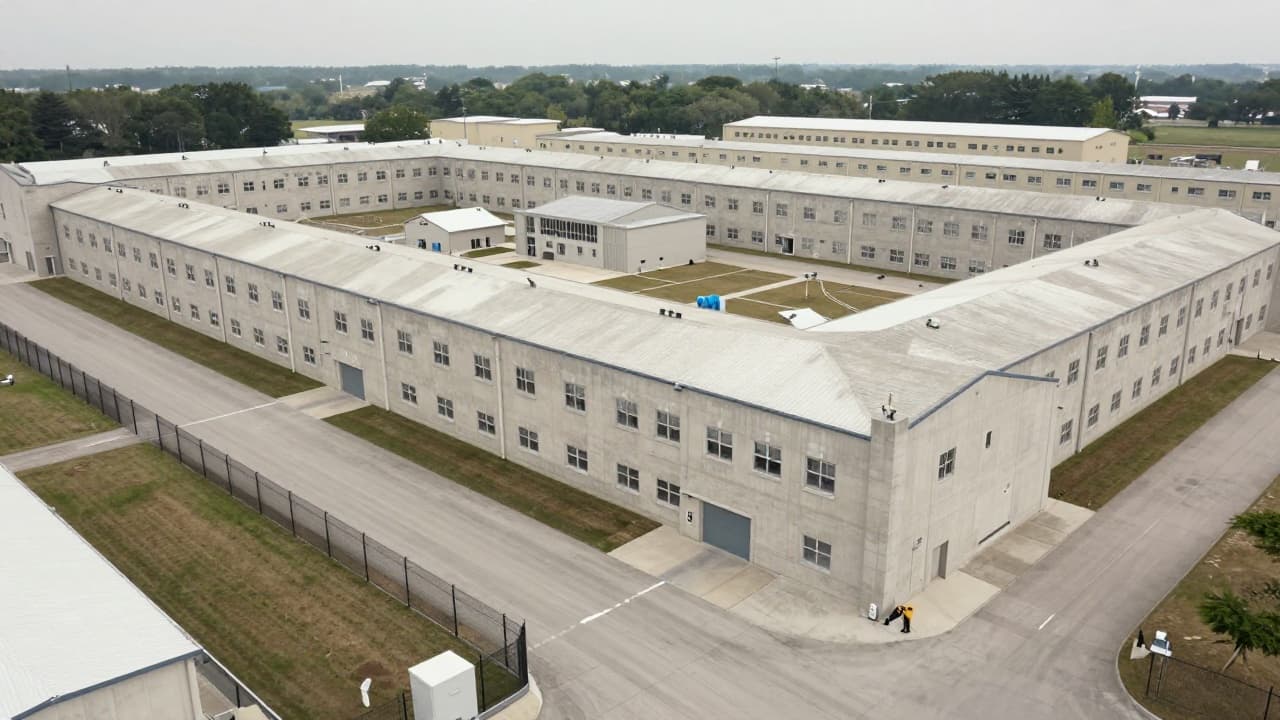
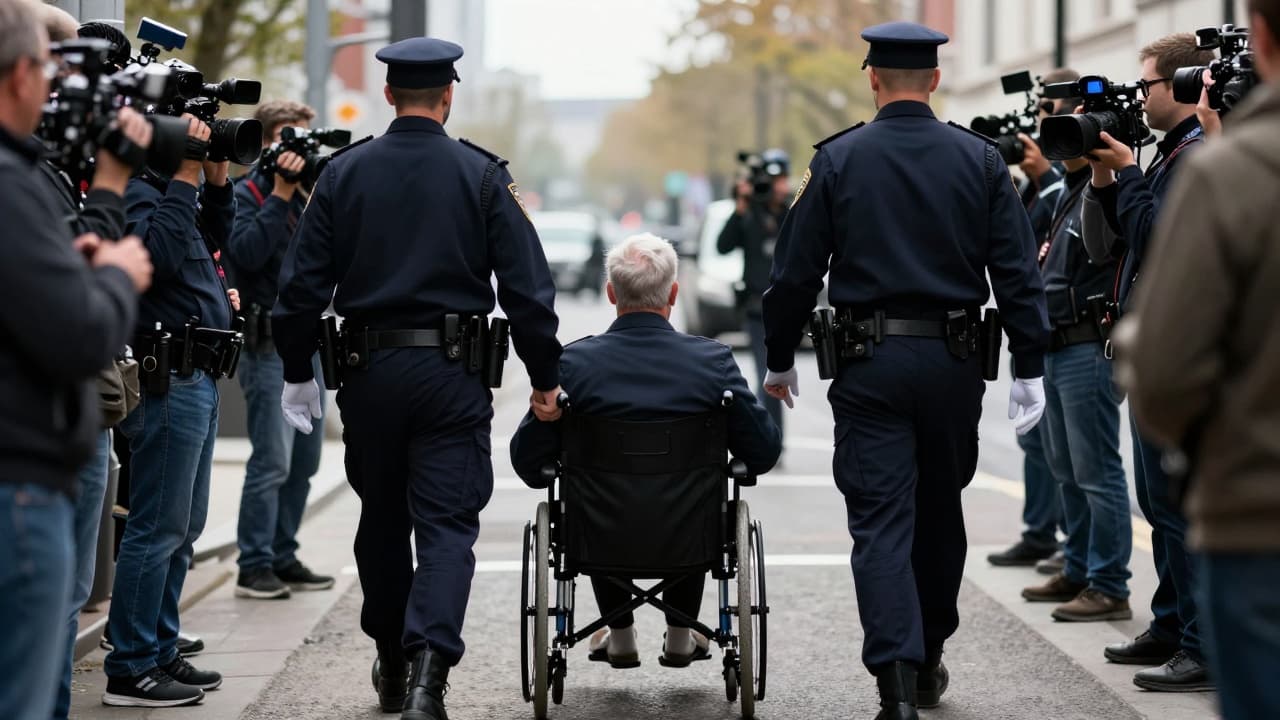
The former prime minister was transferred to a hospital, complying with an order from Pakistan’s Supreme Court. The measure was taken in the context of growing public concern and protests over the deterioration of his health, which prompted judicial intervention. Prior to the transfer, Khan had been held in Adiala prison, but the court ordered his transfer to the International Shifa Hospital in Islamabad within 48 hours.
The decision was made by a three-judge bench, which emphasised the need for professional medical care. It was specifically ordered that an ophthalmologist be included in the treatment, indicating the seriousness of the eye problems Khan has been experiencing. This measure is part of broader pressure on the authorities to ensure adequate healthcare for imprisoned politicians, particularly high-ranking ones, whose health can deteriorate rapidly due to stress and prison conditions.
Khan, who served as prime minister of Pakistan from 2018 to 2022, was charged with corruption and sentenced to three years in prison in 2023. His political career suffered another blow when he was disqualified from political life for five years. These measures are part of a wider context of political instability in Pakistan, where frequent changes in government and conflicts between different political factions have led to instability in the country.
Khan was known for his influence in Pakistani politics, and previously had been a cricketer. His political career has been marked by numerous conflicts with the authorities, including corruption charges. His corruption case, which involved land acquired through corrupt practices, was part of a wider political struggle in Pakistan.
Khan was charged with corruption, and the charges included corruption. His corruption case, which included corruption, was part of a wider political struggle in Pakistan. His corruption case, which included corruption, was part of a wider political struggle in Pakistan.