Pakistan has declared a state of emergency in the north-western province of Khyber Pakhtunkhwa and suspended its government, led by the Pakistan Tehreek-e-Insaf (PTI) party of former prime minister Imran Khan. Asif Ali Zardari declared the state of emergency on Sunday, following advice from prime minister Shehbaz Sharif after a cabinet decision, the presidential office stated.
The federal government stated that the provincial authorities had failed to address Islamist militancy in the province, which borders Afghanistan. Azam Nazeer Tarar, the minister for justice, said at a press conference that the provincial governor would take charge in Khyber Pakhtunkhwa, initially for six months, but could remain in place for as long as necessary. The interior ministry stated that it would deploy troops to the province.
The spokesperson for the PTI, Zulfikar Bukhari, described the government's move as 'a state of emergency disguised as a coup d'etat'. He added that the move risked inciting more bloodshed and instability, and was intended to stifle protests. The constitution allows the government to assume control from provincial authorities during a state of emergency.
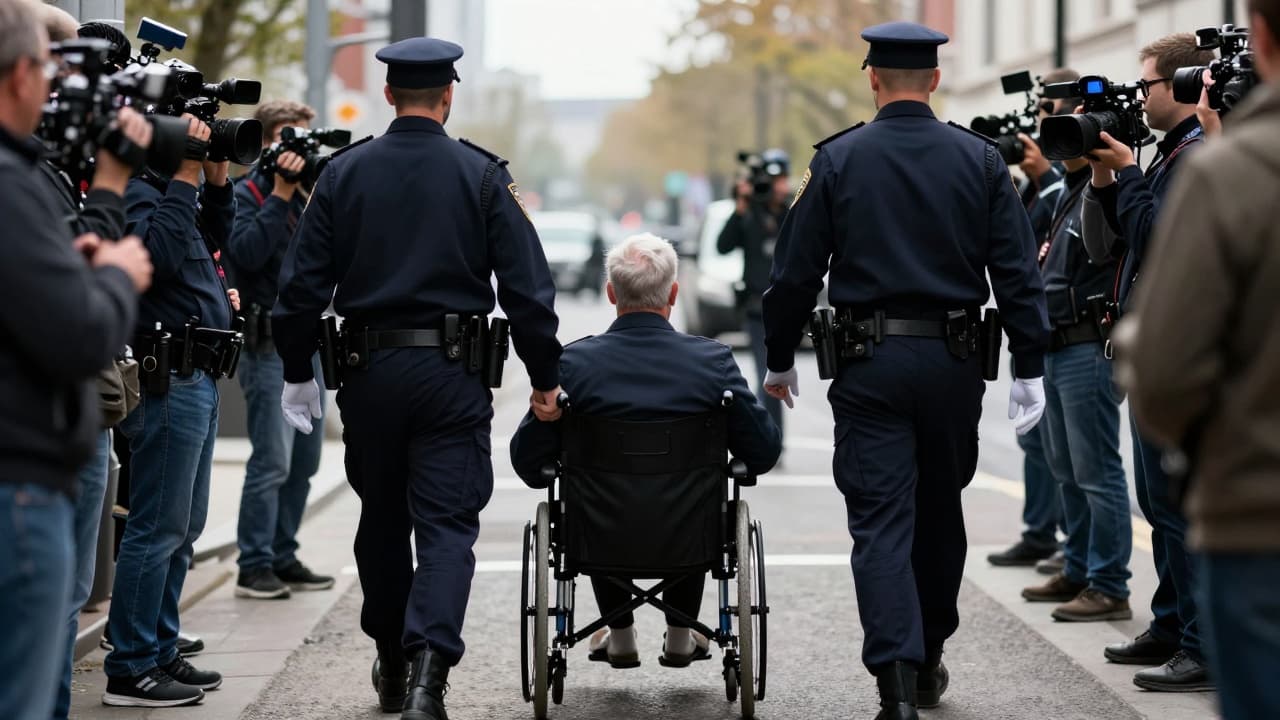
The move sharply escalates the conflict between Khan's party and the government, a week after supporters of the PTI gathered in the province with the intention of marching on Islamabad. Hundreds of activists, including three of Khan's sisters, were arrested ahead of the planned march, a move described by the PTI as one of the most severe repressions in recent years. In Islamabad, the government deployed tens of thousands of security personnel and positioned containers along roads, ready to block traffic to prevent protesters from reaching parliament.
Restrictions were imposed on the movement of Sohail Afridih, who previously led the province, a close associate told Reuters. Maulana Fazlur Rehman, the head of the JUI-F party, who had been engaged by the government to mediate with the PTI, also condemned the move. 'Introducing a state of emergency is a trap for democracy', said Rehman at a press conference in Islamabad.
The federal government and the military accuse the PTI of failing to contain militants, while the PTI rejects the allegations, claiming that Islamabad has not provided sufficient funding and equipment. Islamabad also accuses Afghanistan of harbouring militants who launch attacks within Pakistan, and alleges that the PT is sympathetic to the Taliban in Kabul and their domestic branches. Both the Afghan government and the PT have denied these allegations.
Candidates backed by Khan's party won the most seats in the 2024 elections, but formed a government only in Khyber Pakhtunkhwa. Supporters of the 74-year-old former cricketer claim that the military rigged the vote against him, a claim the military denies. Cases against Khan range from concerns over state gifts to incitement to violence and charges of illegal marriage. All but one of the convictions have been suspended or overturned, with appeals ongoing. Khan denies any wrongdoing.
Sharif told the cabinet that security forces and citizens had been under attack for two years. 'We cannot simply act as silent observers', said Sharif.