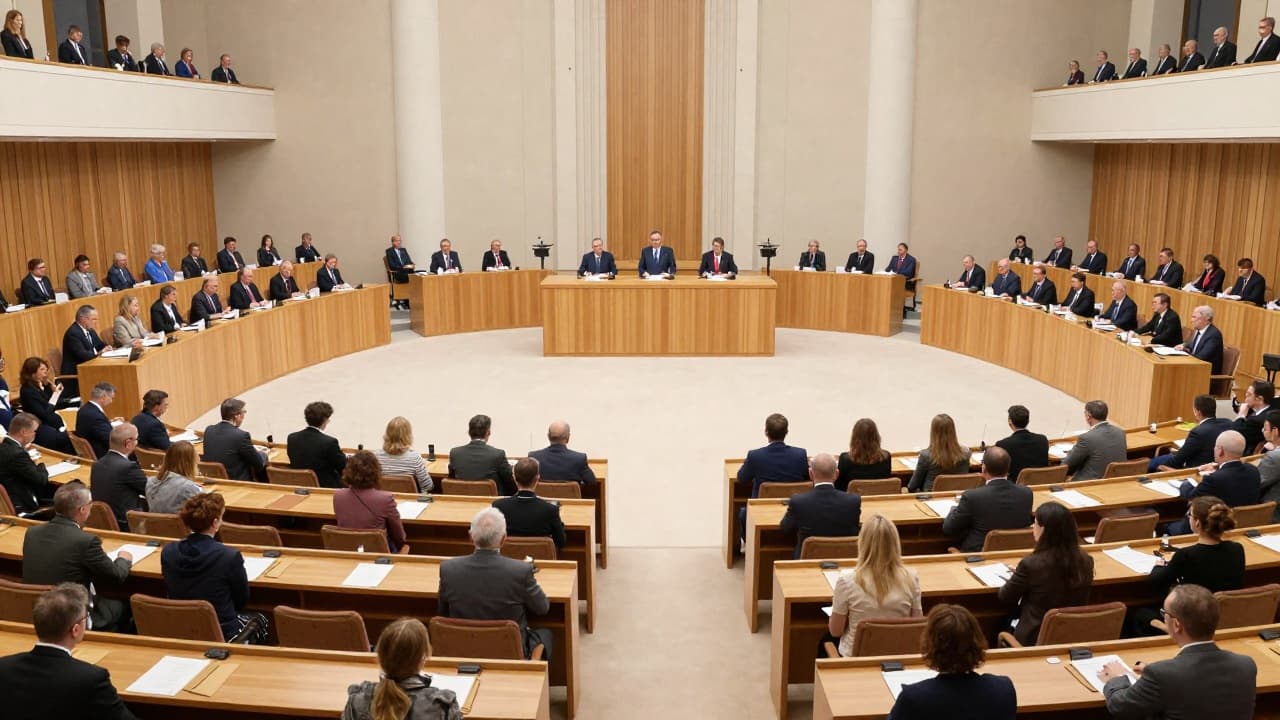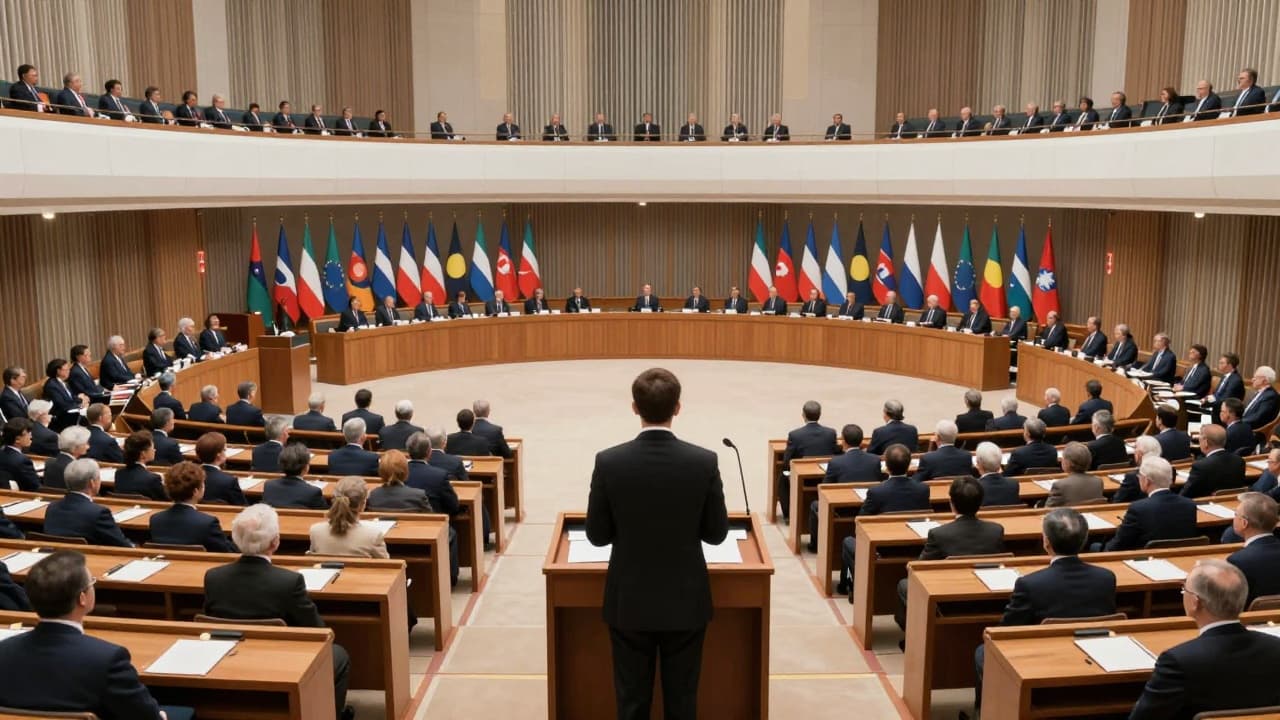
Kosovo's parliament has finally emerged from a months-long political crisis by adopting an agreement on the election of a new president. The decision was signed by representatives of the ruling coalition, led by the Vetëvendosje party, and the opposition's Democratic League. This agreement marks the end of a prolonged political paralysis that has characterised the Kosovan scene in recent months.
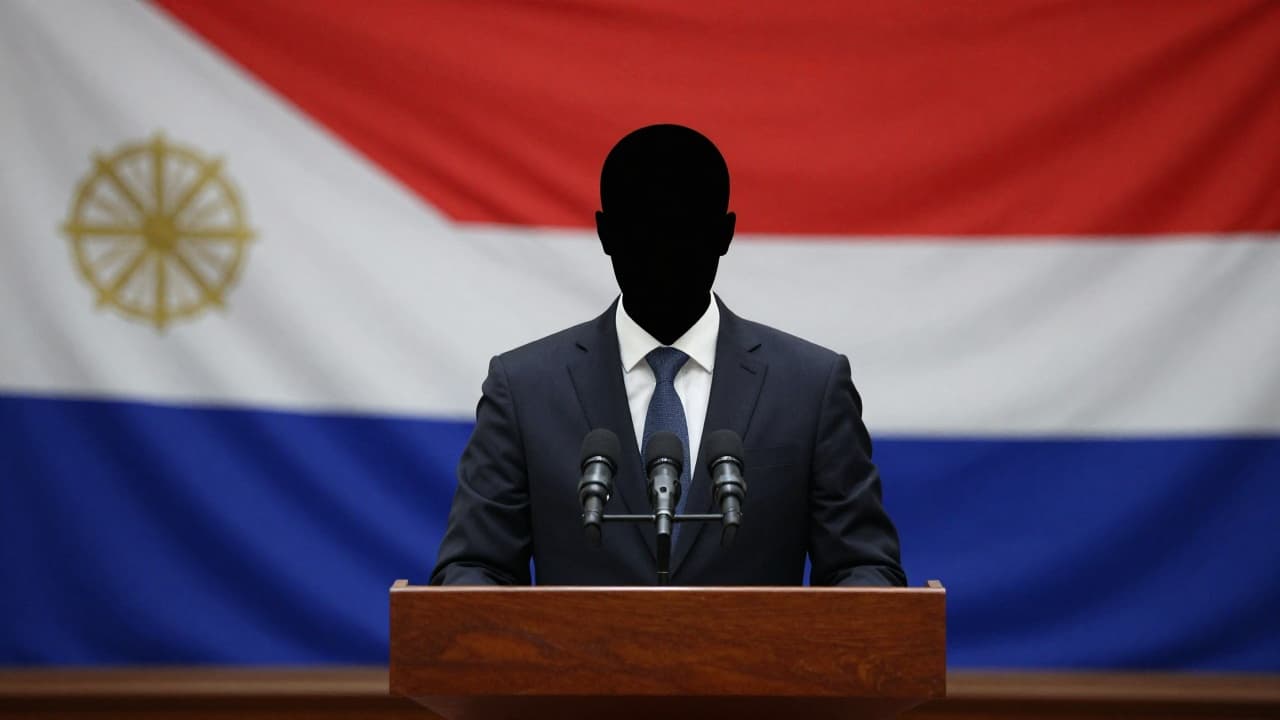
The candidate for the new head of state is Bekim Sejdiu, a 51-year-old lawyer. His candidacy is the result of a compromise between the ruling majority, led by the Vetëvendos party, and the opposition's Democratic League. This agreement allows the normal functioning of institutions and ends a series of changes that have characterised the Kosovan political scene in recent times.
The Vetëvendosje party, led by Albin Kurti, won 53 mandates in the recent elections, becoming the largest party in the 120-member parliament. Their support is key to forming a stable majority, which includes minority parties. In total, 80 mandates provide a sufficient majority for the election of the president, a key step towards stabilising the political situation.
Kosovo, as one of the poorest European countries, is facing challenges in implementing the reforms necessary for closer alignment with the European Union. The European Union has repeatedly highlighted the importance of stable institutions for the implementation of reforms, noting that political instability is slowing progress. This agreement, therefore, represents a significant step towards stabilisation and European integration.
Kosovo has experienced several national elections in the past 18 months, reflecting political instability. This agreement, therefore, represents a step towards stability, which is essential for the future of the country and its European integration.